The covered bike store at SOIL Setoda opens at 10:00 and locks at 19:00, and nothing goes in or out in between. That one line in the hotel’s own notes decides more about a night here than the room you book. Ride in after seven and your bike spends the night in the open parking on the grounds; plan to be on the Tatara Bridge by eight the next morning and the store will still be shut.
Everything else about SOIL is easy to like. It stands at the water’s edge by Setoda port on Ikuchijima, roughly halfway along the Shimanami Kaido, and it is a small cluster rather than one building: a coffee roaster in an old salt storehouse, a wood-fired restaurant called MINATOYA facing the channel, two shops and thirteen rooms spread along Shiomachi street. For two people on a weeknight in December 2026, the cheapest room costs ¥17,050 (about US$114), which is well under half of yubune’s standard rate on the same night and about a sixth of Azumi Setoda’s.
It suits riders who want a clean, well-run bed and a proper dinner at the end of the first day, and who will share a shower or pay a few thousand yen more not to. It suits less well anyone who needs a bath of their own, silence through a timber wall or a bike beside the bed.
In this guide11
- The buildings by the port, and who runs them
- The rooms
- What it costs, as of late 2026
- The bike store, and where your bike sleeps
- MINATOYA: breakfast to dinner on the waterfront
- The roastery, the coffee stand and the shops
- Renting a bike or an e-bike at SOIL
- Other things SOIL can book
- SOIL, yubune or Azumi Setoda
- Who it suits, and who should look elsewhere
- Getting there and checking in
The buildings by the port, and who runs them
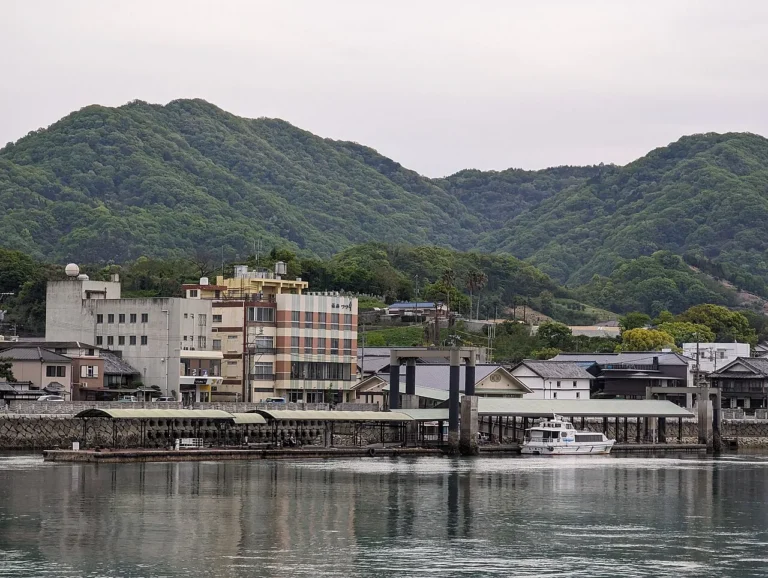
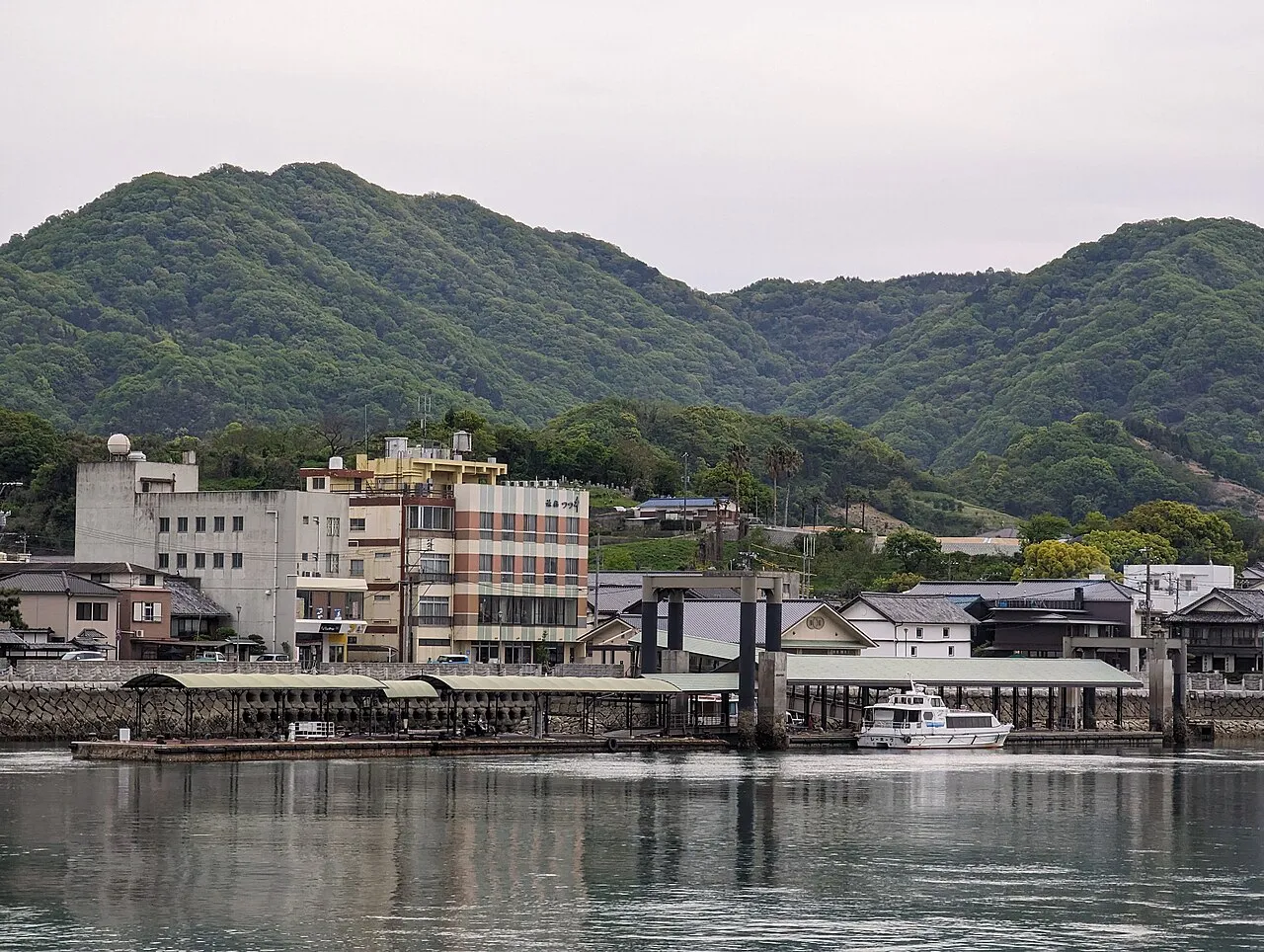
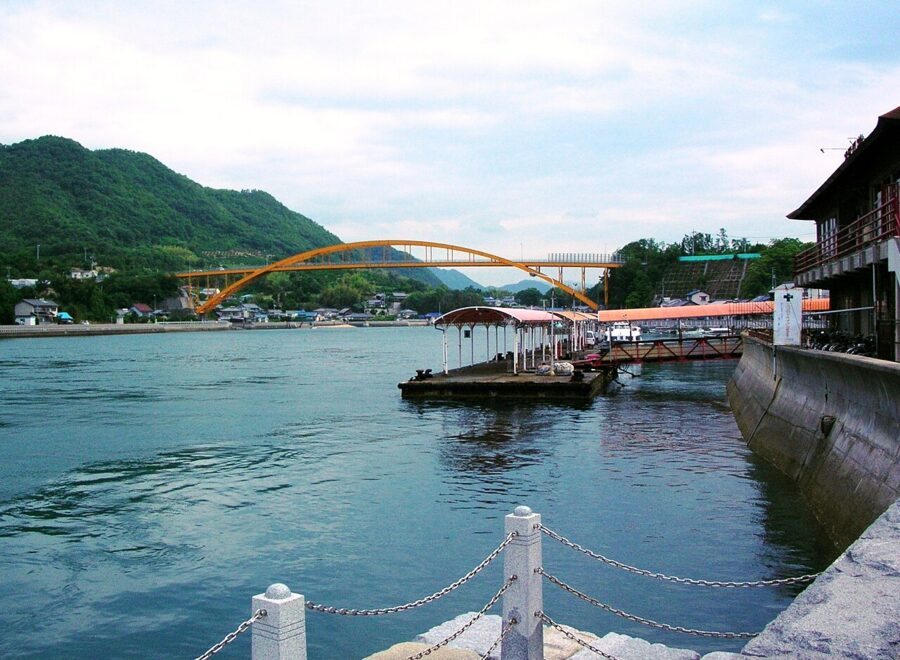
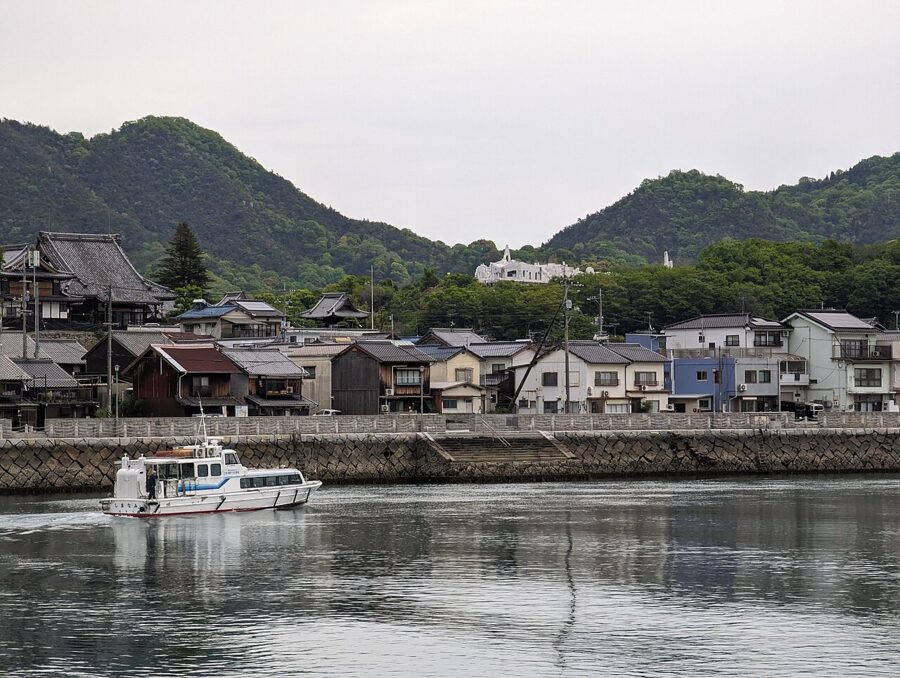
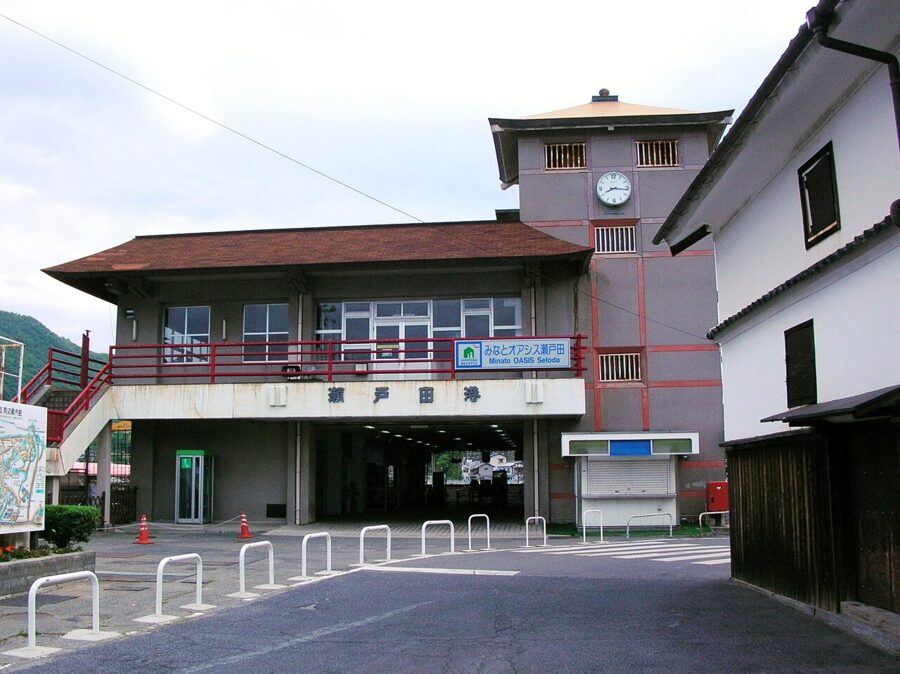
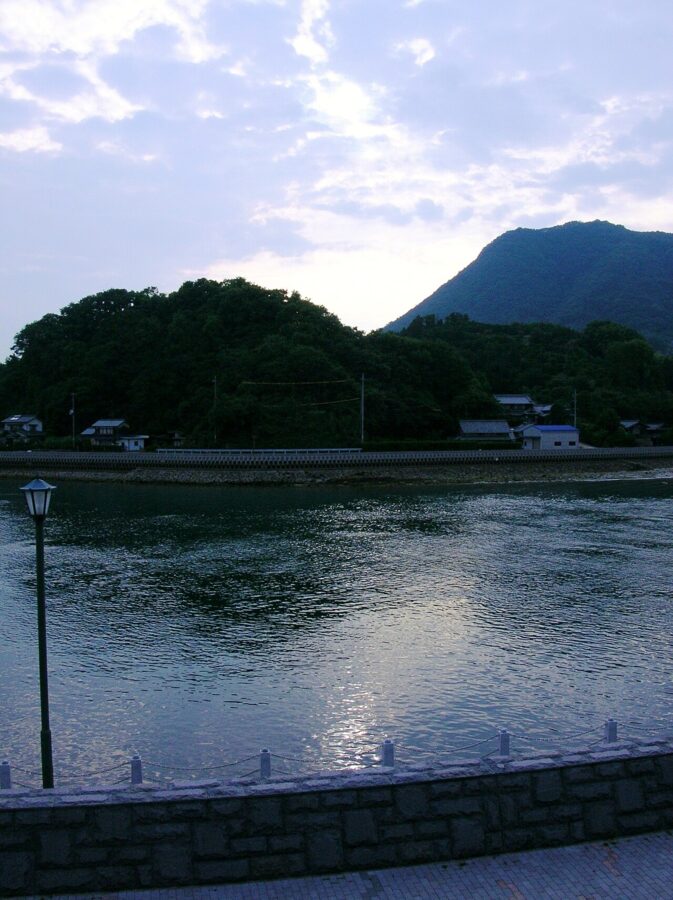
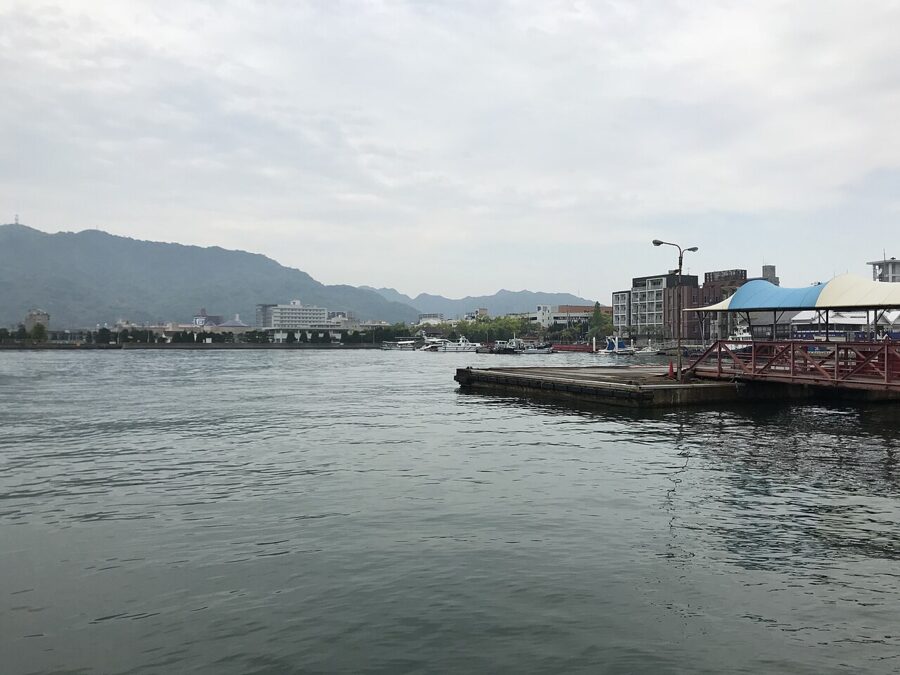
Setoda (瀬戸田) is the port town on the north-west corner of Ikuchijima, about 30 km (19 miles) from Onomichi by the blue line of the cycling route and 8.5 km (5 miles) short of the Tatara Shimanami Park roadside station on Omishima. Boats from Onomichi and Mihara come in at the main pier, and SOIL’s original two buildings face it across the waterfront road.
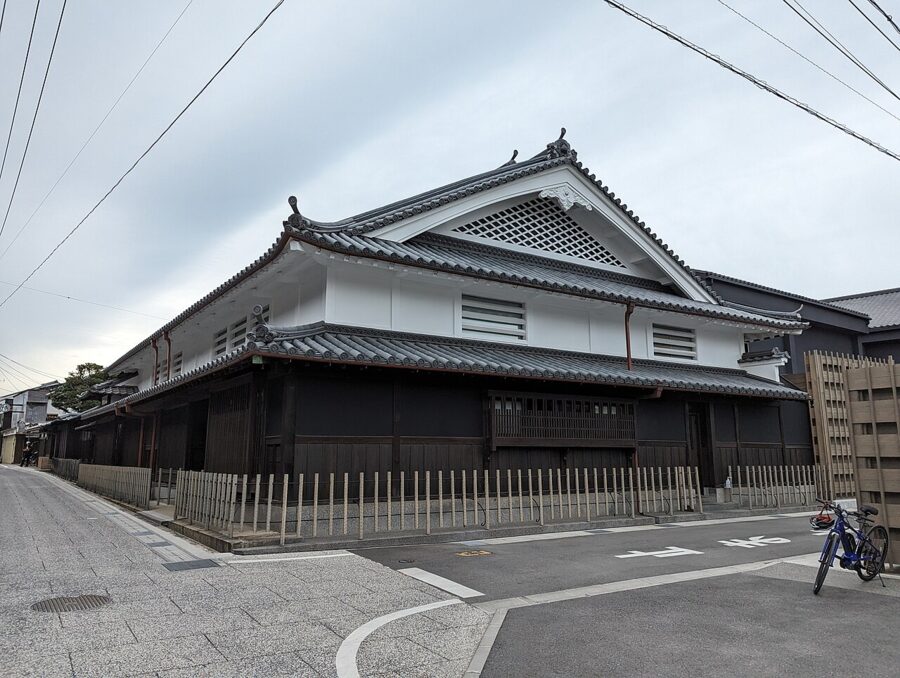
The first is the KURA, a salt storehouse about 140 years old that SOIL dates to the Meiji era, when Setoda’s salt fields made a few merchant families very rich. It now holds the roaster and coffee stand of Overview Coffee. Across the street is the LIVING building, new when SOIL opened in April 2021: MINATOYA on the ground floor, with tiered seating so that most tables see the water, and the first rooms upstairs.
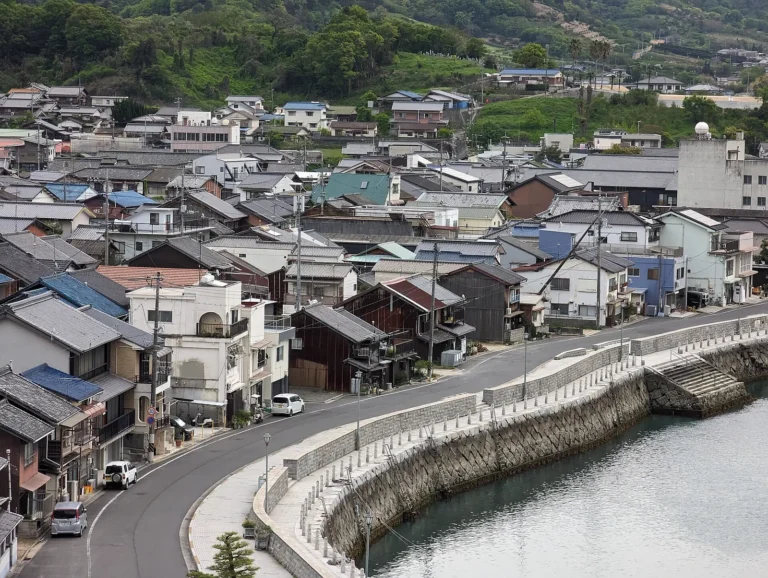
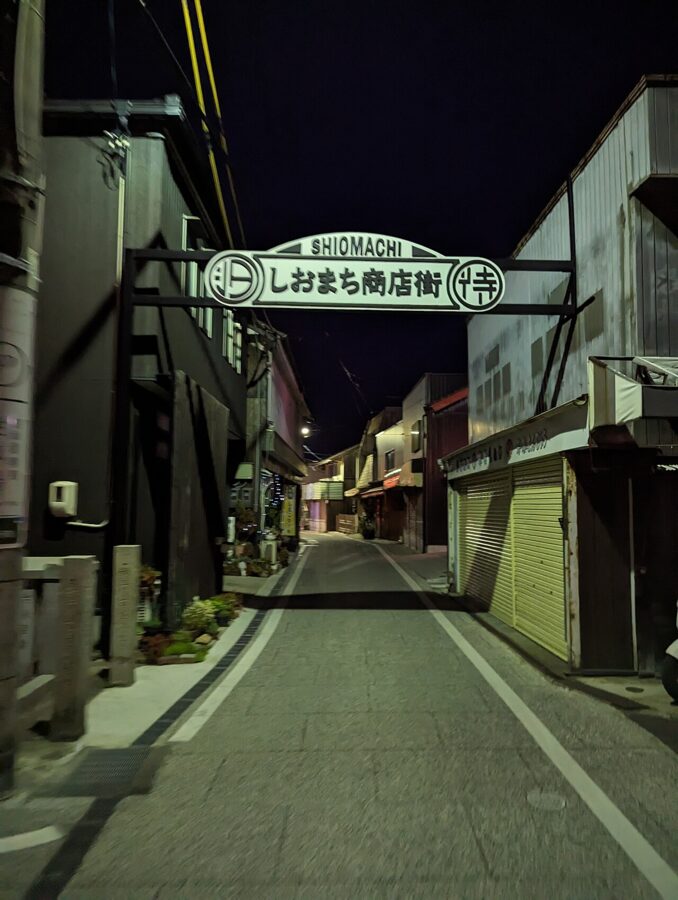
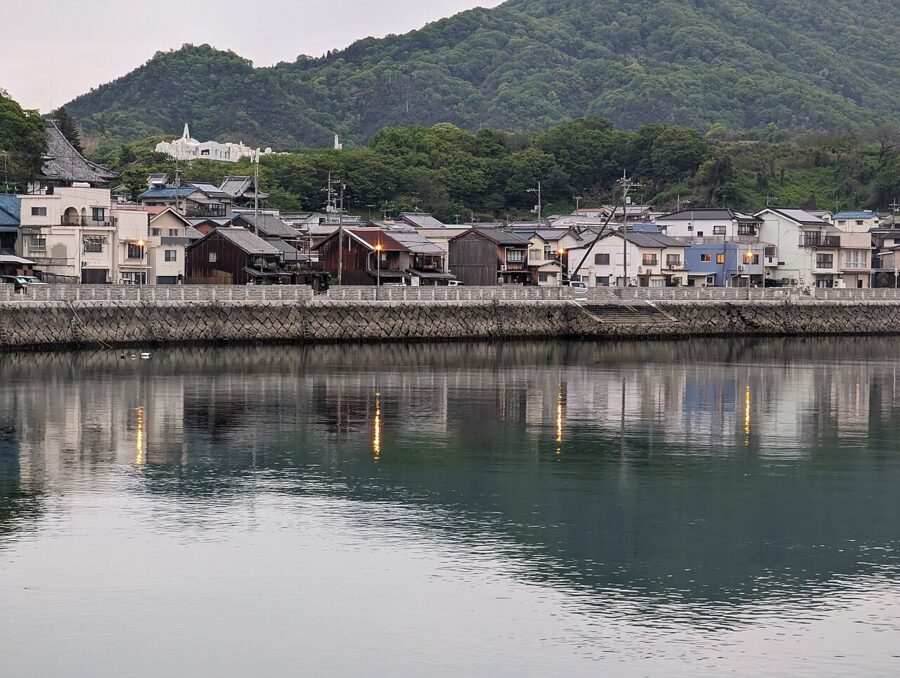
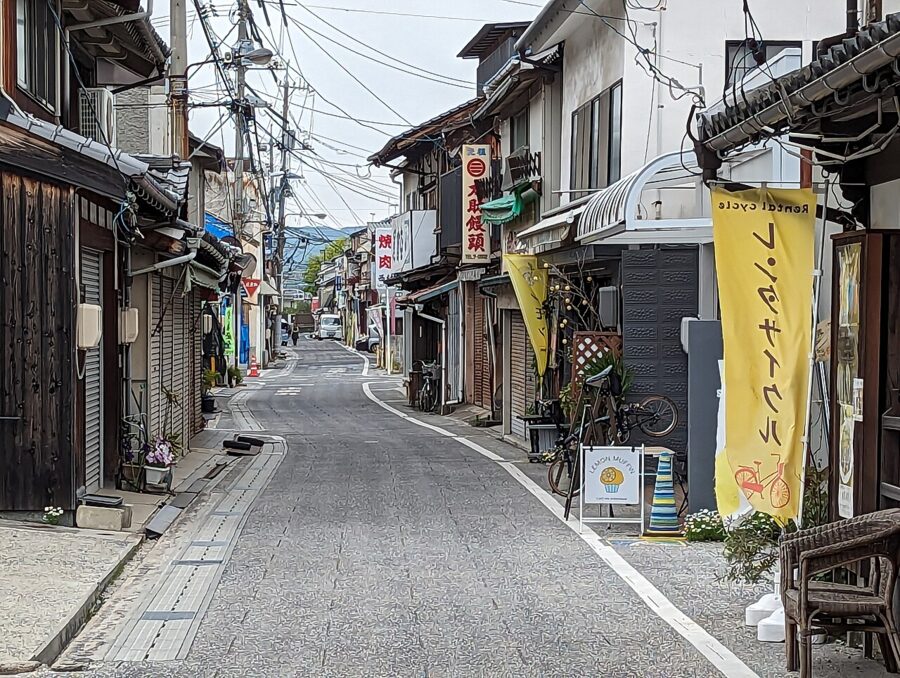
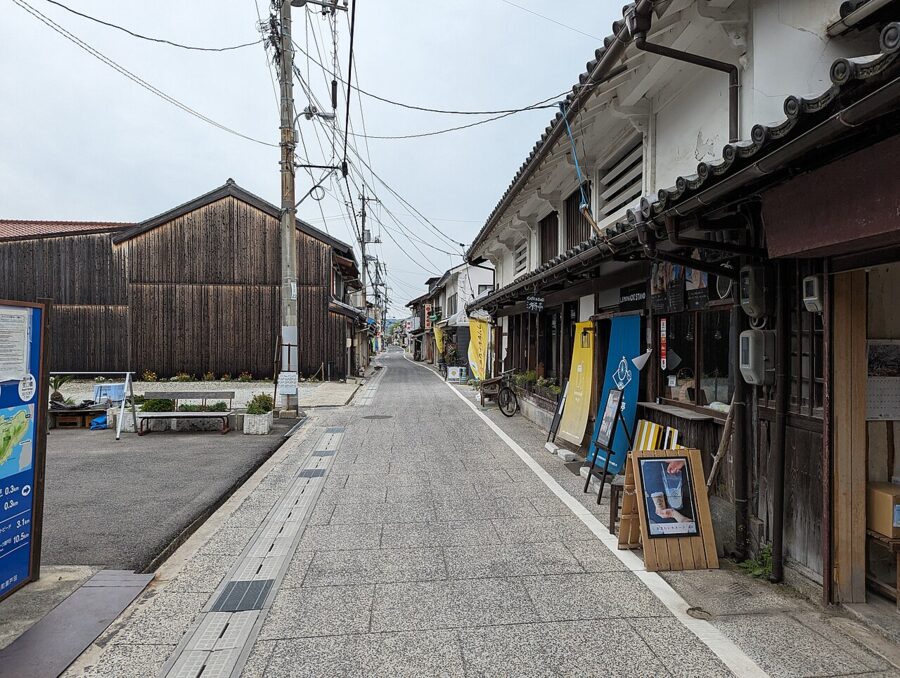
Since then SOIL has spread up Shiomachi. It now counts five buildings in the town, with rooms at a food shop called Hifumi, above Kokage Books (a small library and shop that opened in autumn 2025) and in a new building a three-minute walk from the pier. SOIL was opened by Shiomachi Kikaku, a local company set up to bring life back to the shopping street, which still runs the bike rental and the tours. The company named on SOIL’s website is Staple, which also runs SOIL hotels in Tokyo’s Nihonbashi and at Nagatoyumoto in Yamaguchi.
The rooms
There are thirteen rooms, no two quite alike, and they fall into three groups. The first four sit above MINATOYA and share toilets and showers. The rest, along Shiomachi and above Kokage Books, are studios with their own shower and toilet, plus a suite and a second box room. Every room is non-smoking and has free Wi-Fi.
Above MINATOYA: small, sea-facing, shared showers
The Nagi View Double (11.4 m²) and the Nagi View Corner Double (14.9 m²) look straight out over the channel, with a long table under the window that you can use sitting on the bed. The corner room is the larger and has a fold-away wall bed. The Kuramae Compact Double (9.4 m²) sits above the inner terrace with its window facing another way, which makes it the quietest of the three and the smallest.
The fourth is the Kuramae Box 4: four capsule-style sleeping boxes in one 11.4 m² room, each with a single bed and a desk. SOIL calls it a dormitory-type room with mixed accommodation, but it now books the whole room as one unit, so the price is the same for one guest or four. For four friends riding together it works out at under ¥5,000 each; for a solo traveller hoping to pay for one bunk among strangers, it no longer works that way.
Along Shiomachi: studios with their own bathrooms
The Terrace Studio (24.1 m²) and the Terrace Studio with Bathtub (24.5 m²) are the pick of the middle range: a bedroom and sitting area in one, a long desk and a terrace looking over the town to the sea. The second is one of only two rooms at SOIL with a tub. The Tatami Studio (18.4 m²) has two semi-double futons on tatami and looks over Shiomachi street; it is the one to book if you want a Japanese room without paying ryokan prices.
The plain Studio (18.1 m²) and the Sachi Mae Terrace Studio (18.3 m²) are similar rooms with a shower and a long desk. The second is in a new building on Shiomachi, opposite a former hair salon called Sachi and next to Chinese Setoda, a neighbourhood Chinese restaurant.
Above Kokage Books: the newest rooms and the suite
The rooms over Kokage Books opened in autumn 2025. The Harbor Compact Studio (16.6 m²) faces Setoda port; the Compact Studio is a simpler room of about 12–13 m² of usable space with a shower and a small table. The Kuramae Box 4 with Bathroom (15.1 m²) is the four-box layout again, this time with its own shower and toilet, and is the better choice for a family.
On the top floor, the Nagi View Suite is the most expensive room: about 31 m², twin beds, a bathtub, room for three and a private rooftop with the sea, the hills and the town all round. It is the only room at SOIL I would call a treat, and on the night I priced it, it still cost about a third of Azumi Setoda.
What is in the room, and what is not
SOIL gives out no disposable amenities. Private rooms have room wear, towels, a kettle and a hairdryer; every shower room has shampoo, conditioner and body soap. Bring a toothbrush. There is a coin laundry, a microwave at reception that guests can use from 10:00 to 19:00, and a coworking room on Shiomachi, Soil Work, that staying guests may use in the same hours.
The buildings are timber, and the house rules say so plainly: sound carries, so keep quiet after 22:00. In the shared-shower rooms above the restaurant that means you will hear the corridor, and possibly the last dinner tables below. Light sleepers should take a studio along Shiomachi or a room above Kokage Books.
What it costs, as of late 2026
These are the prices on SOIL’s own booking site for Thursday 10 December 2026, two adults, room only, tax included, searched in late November 2026. Rates move with the date and the day of the week, and the following Saturday was almost sold out, so treat them as a guide to the gaps between rooms rather than a fixed price list.
| Room | Size | Sleeps | Bathroom | Two adults, room only |
|---|---|---|---|---|
| Kuramae Compact Double | 9.4 m² | 1–2 | Shared | ¥17,050 |
| Kuramae Box 4 | 11.4 m² | 1–4 | Shared | ¥18,040 |
| Tatami Studio | 18.4 m² | 1–2 | Shower and toilet | ¥20,130 |
| Studio | 18.1 m² | 1–2 | Shower and toilet | ¥20,130 |
| Terrace Studio | 24.1 m² | 1–2 | Shower and toilet | ¥21,340 |
| Harbor Compact Studio | 16.6 m² | 1–2 | Shower and toilet | ¥21,340 |
| Terrace Studio with Bathtub | 24.5 m² | 1–2 | Bath and toilet | ¥23,760 |
| Kuramae Box 4 with Bathroom | 15.1 m² | 1–4 | Shower and toilet | ¥27,940 |
| Nagi View Suite | 31.1 m² | 1–3 | Bath and toilet | ¥36,740 (about US$245) |
The two Nagi View doubles, the Compact Studio and the Sachi Mae Terrace Studio were already taken that night. A solo guest pays a little less: ¥15,169 for the Kuramae Compact Double on the same date. The box room for four came to ¥18,480 against ¥18,040 for two, so four friends sharing it pay well under ¥5,000 each.
On top of the room rate, Hiroshima Prefecture has charged an accommodation tax since 1 April 2026: ¥200 (about US$1) per person per night where the rate is ¥6,000 or more per person, which covers almost every booking here; four people sharing a box room fall below it. SOIL collects it at the hotel with any food and rental charges, while the room itself is paid online when you book.
The bike store, and where your bike sleeps
SOIL has bike parking on its own grounds, and for most people that is enough. The better option is the locked, roofed store, and its hours are the catch: 10:00 to 19:00, with no access outside them. A bike put away at six in the evening cannot come out until ten the next morning, and one that arrives at half past seven cannot go in at all.
For a rider who plans to sleep in Setoda, eat at MINATOYA and cross the Tatara Bridge after a late breakfast, the hours fit perfectly. For one who wants to leave at first light to beat the wind on the bridges, or who rolls in from Onomichi after dark, they do not, and the bike stays in the open on the grounds overnight. Bring a proper lock and a cover if it rains. Riders set on crossing the bridge at first light may do better to sleep on the far side, at WAKKA, the cycling base at Inokuchi on Omishima facing the Tatara Bridge.
If your bike is valuable and you want it inside with you, look at yubune instead: its ground-floor rooms have an earth-floored entrance you wheel the bike straight into. Other places along the route with locked or indoor storage are in the guide to where to stay on the Shimanami Kaido.
MINATOYA: breakfast to dinner on the waterfront
MINATOYA is the strongest reason to stay at SOIL. It serves three meals a day and opens at 07:30, early enough to eat properly before a morning boat. Its hours on SOIL’s own site are breakfast 07:30–10:30, café 10:30–15:30 and dinner 17:30–21:00.
No weekly closing day is posted. The one regular break MINATOYA lists is the first Thursday of each month, when the café shuts from 10:30 to 17:30. The restaurant has 22 seats, takes cards, transport IC cards and PayPay, and does not allow pets, though the café menu can be taken away.
Breakfast and the café
Breakfast and the café are walk-in only. In the morning and at lunch the kitchen serves set meals built on seasonal produce bought directly from local farmers and fishermen, and the coffee is roasted across the street. Guests on a breakfast plan choose between dashi ochazuke (rice in a hot fish broth) and a tuna melt on pain de campagne, with coffee, Japanese black tea or citrus juice, and pick a sitting at 07:30, 08:15 or 09:00.
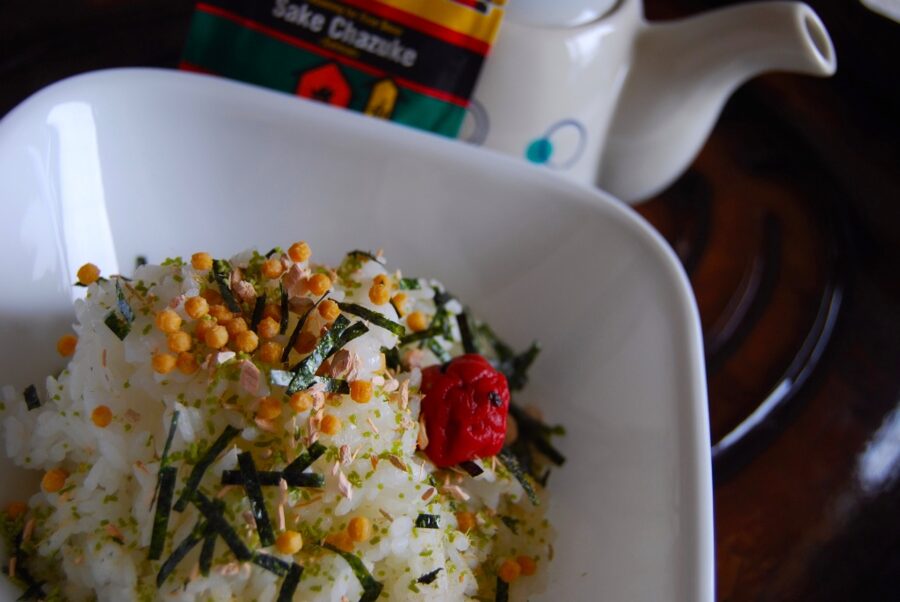
On the booking site, the breakfast plan costs ¥2,200 (about US$15) more for two than the room alone on the same night. If your plan has no breakfast you can still eat there in the morning; you simply pay at the table.
Dinner over the wood fire
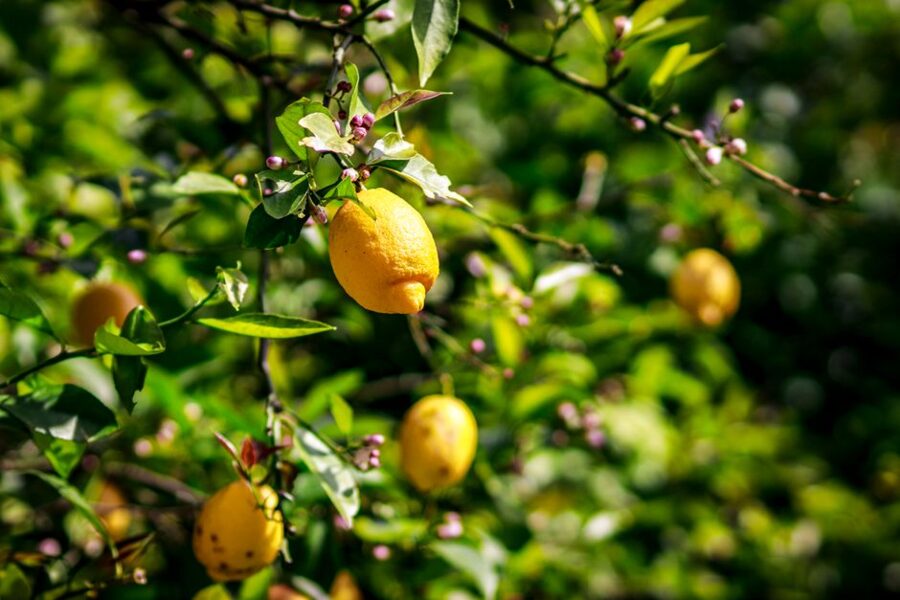
Dinner is when MINATOYA becomes a destination. The kitchen cooks over a wood-fired hearth, using Inland Sea fish and octopus firmed by the strong currents, lemon pork from Iwagi island, wild boar from Omishima, and island vegetables and citrus. In 2023 the local press described its cooking as wood-fire Chinese; the current course reads more like a Mediterranean grill that has taken root on a lemon island.
As of late 2026 the dinner course runs: carpaccio with Setoda lemon sauce; hearth-grilled vegetables with a scorched citrus sauce; wild boar meatballs; fish from the hearth; chicken from the hearth; oyster gratin or wild boar ragu with rigatoni; and the day’s dessert. Dishes change with the season.
Book dinner. The restaurant gives priority to reservations and to guests on the half-board plan, and on a busy night a walk-in may find no table. You can reserve either the course or à la carte; a cancellation on the day is charged in full. Vegetarian, vegan and gluten-free requests may be possible if you ask in advance, and allergies should go in the booking notes.
The simplest way to be sure of a table is the half-board plan. On the night I priced, it cost ¥15,400 (about US$103) more for two than room only, which is a fair price for a seven-course dinner and breakfast on the Shimanami Kaido, and you need to check in by 19:00 to take it. If MINATOYA is full, SOIL’s own map of the street lists BAR&Men AKATOBI on Shiomachi for Onomichi ramen, 10:30–15:00 and 17:00–21:00, closed on Wednesdays.
For other places to eat along the route, see food on the Shimanami Kaido.
The roastery, the coffee stand and the shops
Overview Coffee is an American roaster that buys mostly from farms practising regenerative organic agriculture, and the storehouse at Setoda is its first roastery in Japan and the flagship of its Japanese arm. The beans roasted here go to customers and partners all over Japan, and the stand pours hand-drip coffee from whichever bean you choose, mostly light and fruity roasts. It also sells beans, coffee bags, brewing kit and books, and runs tastings and workshops.
The Setoda Roastery opens Thursday to Monday, 13:00–17:00, and closes on Tuesdays and Wednesdays, as of late 2026. The roaster warns that its days can change month to month. If you leave before 13:00, MINATOYA pours the same beans.
Hifumi, which doubles as one of SOIL’s two reception desks, is a shop for things to do with food: condiments, tableware and kitchen goods, mostly from around the Inland Sea, open 10:00–19:00. Kokage Books, the other reception and the activity centre, is a reading library and a small shop of books on art, architecture and travel, children’s picture books and light, practical things for the road, open 09:00–18:00.
Renting a bike or an e-bike at SOIL
SOIL rents its own bikes, separately from the public rental network. There is a light Nagi cross bike from Onomichi, a Nagi BMX, a Bike is Life A-1 mountain bike from Fukuoka (with a children’s version), a sports e-bike in two sizes, one of them for riders from 185 cm to 200 cm, and a step-through e-bike with a basket.
| SOIL Setoda rental | 3 hours | 1 day |
|---|---|---|
| Bike (no assist) | from ¥2,000 (about US$13) | from ¥3,000 (about US$20) |
| E-bike | from ¥3,000 | from ¥4,000 (about US$27) |
Prices are as of late 2026 and vary by model. A helmet is included. The rental terms are what matter: bikes go out and come back between 10:00 and 20:00, they must be returned to SOIL the same day, and there is no drop-off anywhere else on the Shimanami Kaido. Book by 17:30 the day before; walk-ins are fine if a bike is free, but you may not get the model you want.
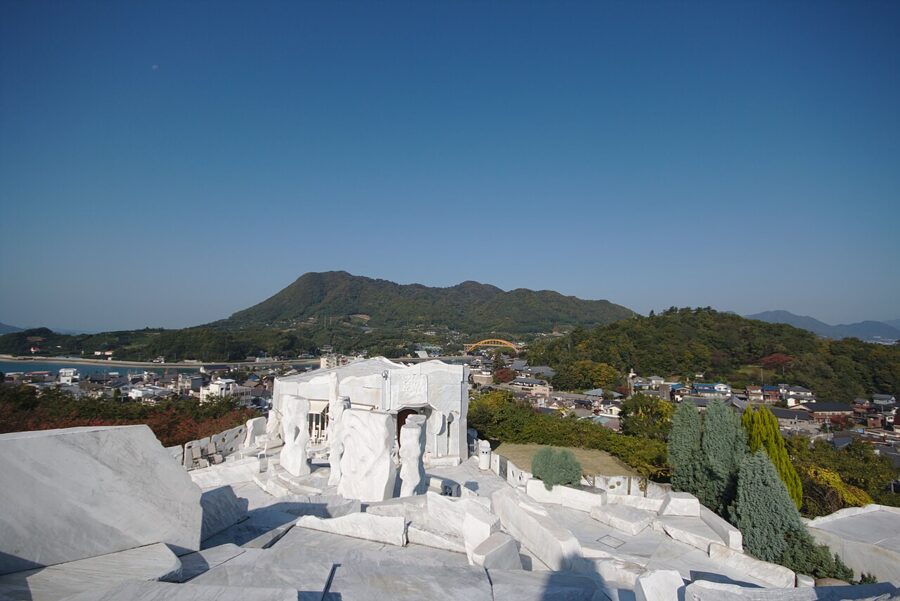
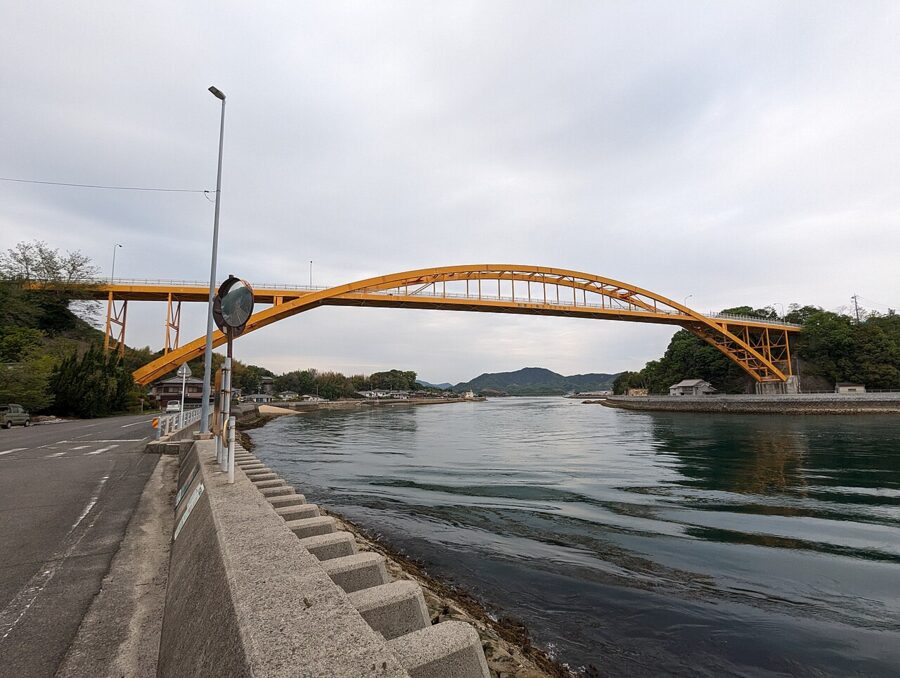
That makes SOIL’s bikes right for a day on and around Ikuchijima and wrong for a one-way ride. Take one to Setoda Sunset Beach, 3.5 km down the west coast, over the Kone Bridge for a lap of Koneshima (高根島), or up to the Tatara Bridge and back. For Onomichi to Imabari, use the public network instead: its bikes can be handed back at any of its ten terminals at no extra charge, and the details are in the guide to Shimanami Kaido bike rental. SOIL’s one real advantage over the two public terminals on the island is time: they close at 17:00, SOIL at 20:00.
Guided rides
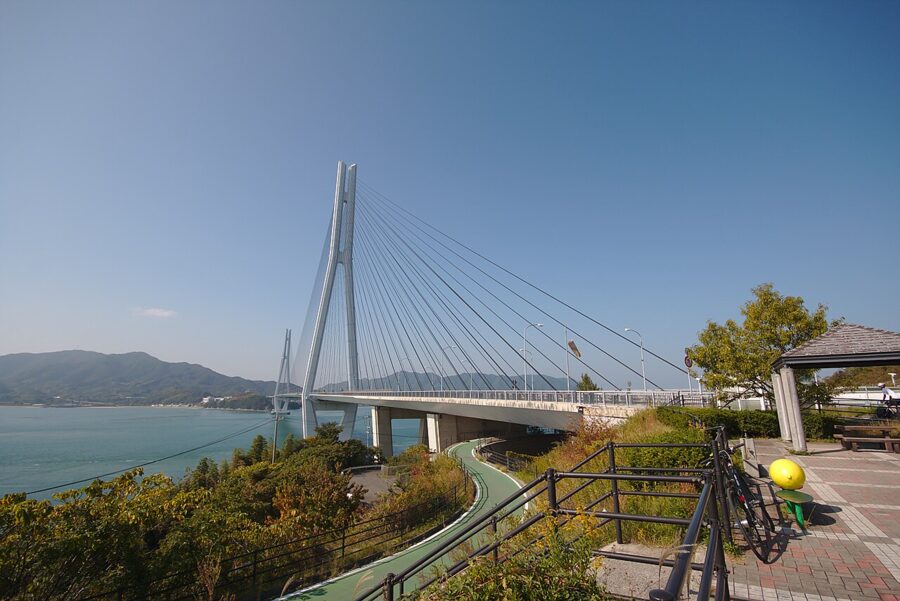
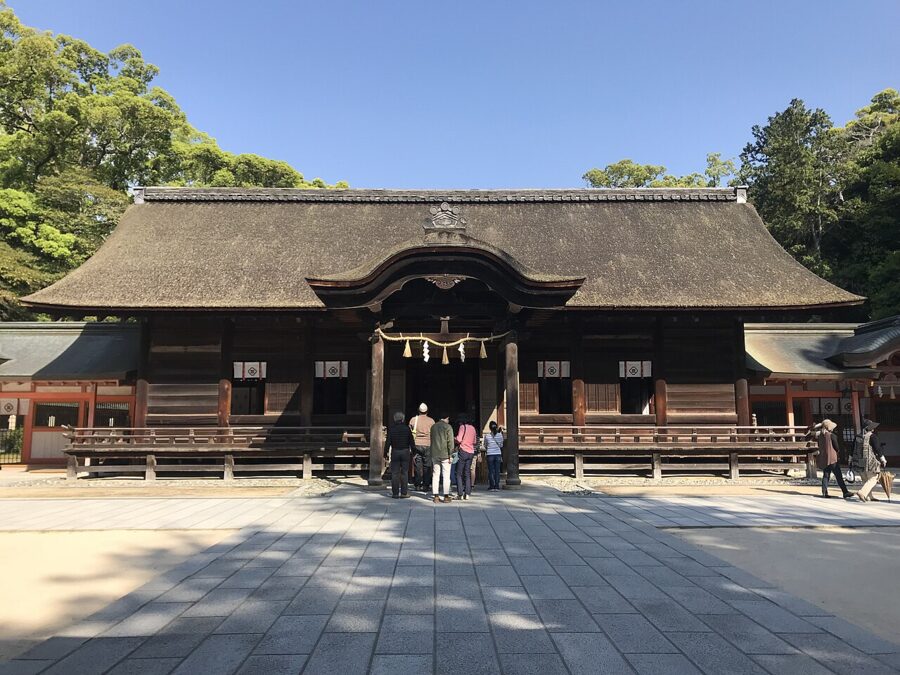
Shiomachi Kikaku also guides small groups from SOIL. The Tatara Bridge ride takes about 150 minutes, starting at 09:00 or 13:30, and costs ¥9,900 on a standard bike or ¥11,500 on an e-bike for one person, or ¥6,900 and ¥8,550 each for two to four, as of late 2026. The ride to Oyamazumi Shrine on Omishima takes about four hours, starting at 09:30 or 13:30, at ¥17,900 or ¥19,550 for one and ¥11,900 or ¥13,550 each for two to four.
Both climb through the lemon groves and both include the bike, a helmet and water. The bikes have no baskets, so bring a backpack, and the tours are called off in strong wind or bad weather.
Other things SOIL can book
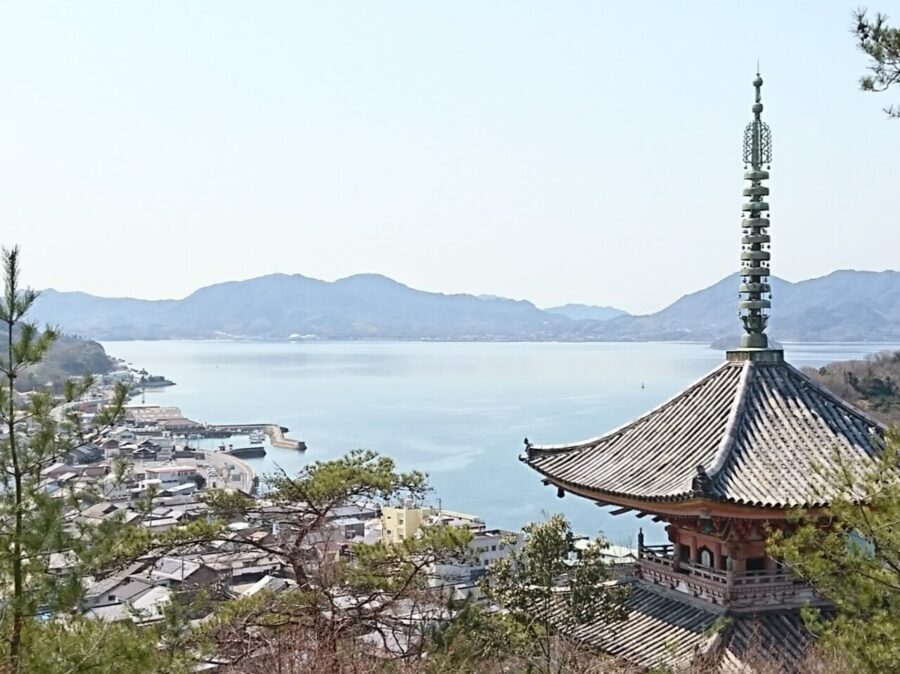
The activity centre in Kokage Books sells a short list of island experiences, some to book ahead and some on the day. A morning zazen session at Kojoji, the temple seven minutes up the stone steps from SOIL, is led by the resident priest. A visit to Safety Fruits, an organic farm that has grown lemons in Setoda for more than thirty years without pesticides, chemical fertiliser or wax, shows you the crop you have been eating.
On the water there are stand-up paddleboard lessons and a sunset SUP, a once-a-day sunset cruise that passes under the bridges and round Noshima, the island castle of the Murakami pirates, and fishing trips on a local fisherman’s boat. Ask at reception for prices and times.
SOIL, yubune or Azumi Setoda
Three places within a few minutes of the pier invite comparison. On the same Thursday in December, two adults, room only:
| SOIL Setoda | yubune | Azumi Setoda | |
|---|---|---|---|
| Lowest rate found | ¥17,050 | ¥41,140 (¥30,856 members’ rate) | ¥111,320 (about US$742), with breakfast |
| Bathroom | Shared, or private shower; two rooms with a tub | Private shower, plus the bathhouse downstairs | Private cypress bath |
| Food | MINATOYA, breakfast to dinner | No restaurant, on purpose | Ryokan dining |
| Your bike | Grounds, or locked store 10:00–19:00 | Wheeled into ground-floor rooms | Ask the hotel |
Booked through SOIL’s own site, every plan comes with a free ticket to the yubune bathhouse, a short walk away, which narrows the gap between the two more than the table suggests. Staying guests can use it from 10:00 to 21:00, or 17:00 to 21:00 on Tuesdays; day visitors pay ¥900, or ¥1,200 at weekends and on holidays. So a SOIL guest gets yubune’s bath, sauna and cold plunge for nothing, with dinner downstairs at MINATOYA.
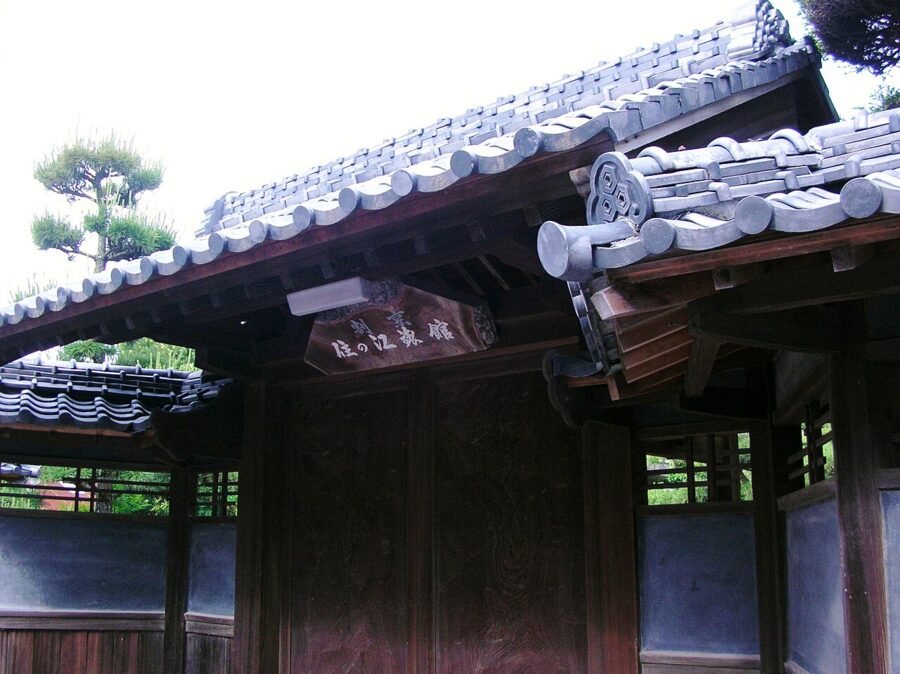
What yubune does better is the room. Its standard rooms start at about 20 m² with a private shower, and the ground-floor ones take your bike in. Azumi Setoda, in the restored house of the Horiuchi salt merchants, is a different kind of night altogether: a ryokan with a cypress bath in every room, at about six times the price. Next door to SOIL, Suminoe Ryokan is the old-fashioned alternative, an inn for more than a century in a house that was once a villa of the same family.
Who it suits, and who should look elsewhere
Book SOIL if you are riding the route over two days and want to stop at the halfway point with a good dinner and a short walk to the bath. It is good value in Setoda for a couple happy with a small room and a shared shower, and the Box 4 is a cheap way for four friends to share a room. It also works for a night off the bike altogether: the boats leave from outside, the roastery is across the street, and the tours start at the door.
Look elsewhere if you need a bath in your room on a budget, if you are a light sleeper who can only get a room above the restaurant, or if your plan is a dawn start with a bike locked away overnight. Solo travellers should know the box room is now sold whole, so a single room is the cheapest option.
For value, I think SOIL is fair rather than cheap. A 9.4 m² room with a shared shower at ¥17,050 is a lot for its size, but it buys the position, a building run with care and a restaurant that would be worth a detour on its own. The Terrace Studios are the sweet spot: a few thousand yen more, more than twice the space and your own shower.
Getting there and checking in
By boat, SOIL is in front of you as you step off at Setoda port. Setouchi Cruising’s boat from Onomichi takes about 45 minutes, and the last one back to Onomichi leaves Setoda at 17:00; Yuba Kisen’s boats to Mihara Port, a short walk from the Shinkansen at JR Mihara Station, run until the 20:10 departure from Setoda. Timetables, fares and bikes on board are in the guide to luggage and ferries on the Shimanami Kaido.
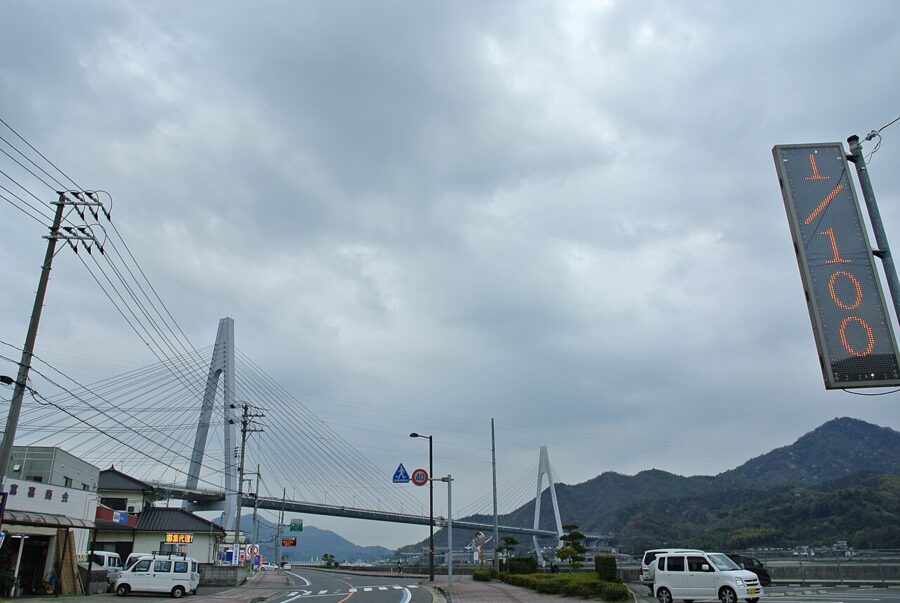
By bike from Onomichi, cross the Ikuchi Bridge onto the island’s eastern tip and follow the blue line round the north shore into Setoda, about half an hour of easy riding; SOIL is at the port end of Shiomachi. By car, leave the expressway at Ikuchijima Kita and use the free city car park, Setoda Konan, three minutes’ walk away; SOIL has no parking of its own.
- Check-in: 16:00–20:00, or by 19:00 on the half-board plan. Call ahead if you will be after 20:00; no check-in is possible after 21:30. There is no early check-in and no late check-out.
- Check-out: by 11:00.
- Luggage: reception holds bags before check-in and after check-out between 10:00 and 19:00, and SOIL sends and receives luggage by courier. It is on the list for Sagawa’s hands-free cycling service between hotels.
- Booking direct: SOIL’s own booking site includes the yubune ticket on every plan; payment is taken online when you book.
- Cancellation: on the standard plans, 50% from three days before arrival and 100% on the day, as of late 2026. Check the plan you choose, since terms vary.
- Closures: SOIL closes for maintenance from 23 to 25 January 2027, and yubune from 6 to 16 January 2027.
Book directly with SOIL, choose a Terrace Studio, reserve the wood-fired dinner, and get the bike into the store before seven.