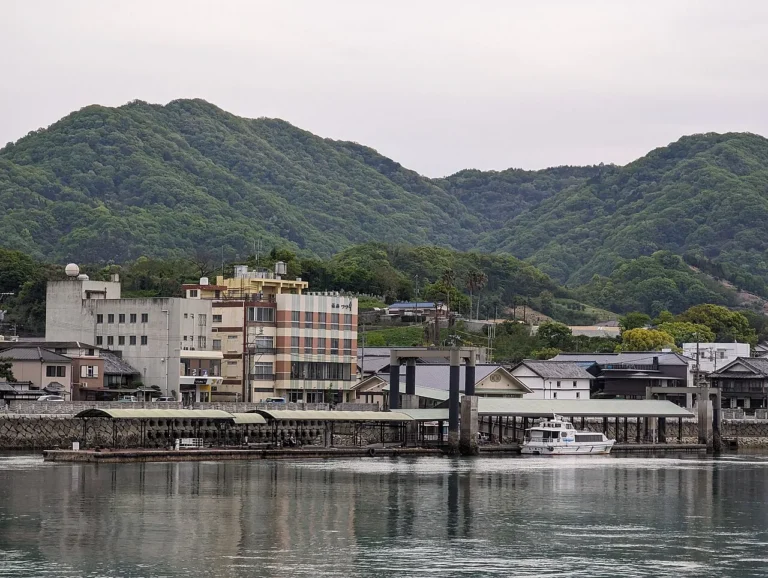
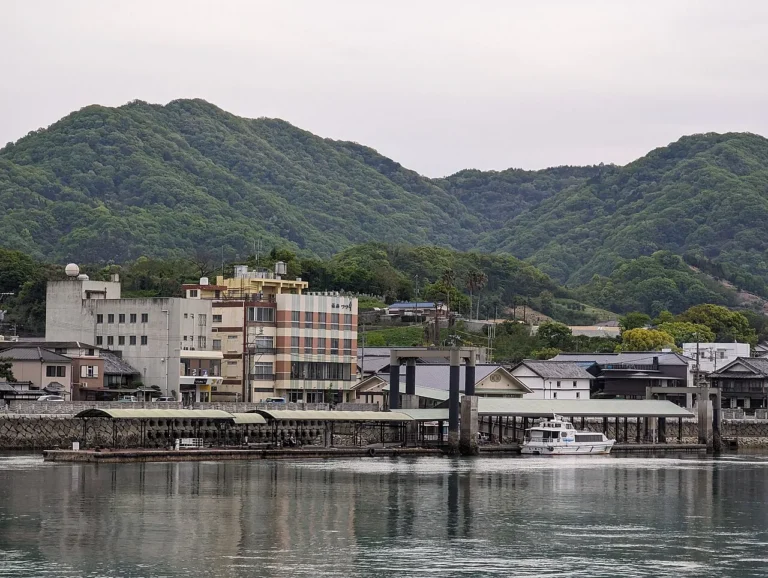
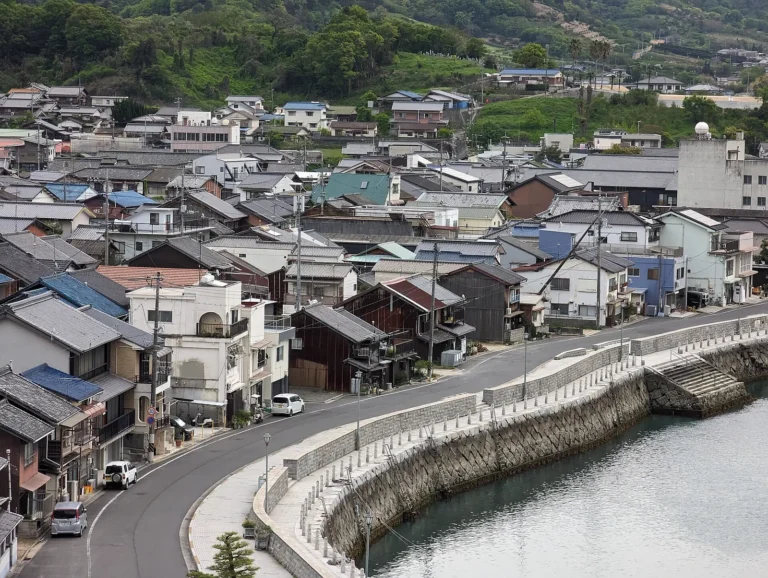
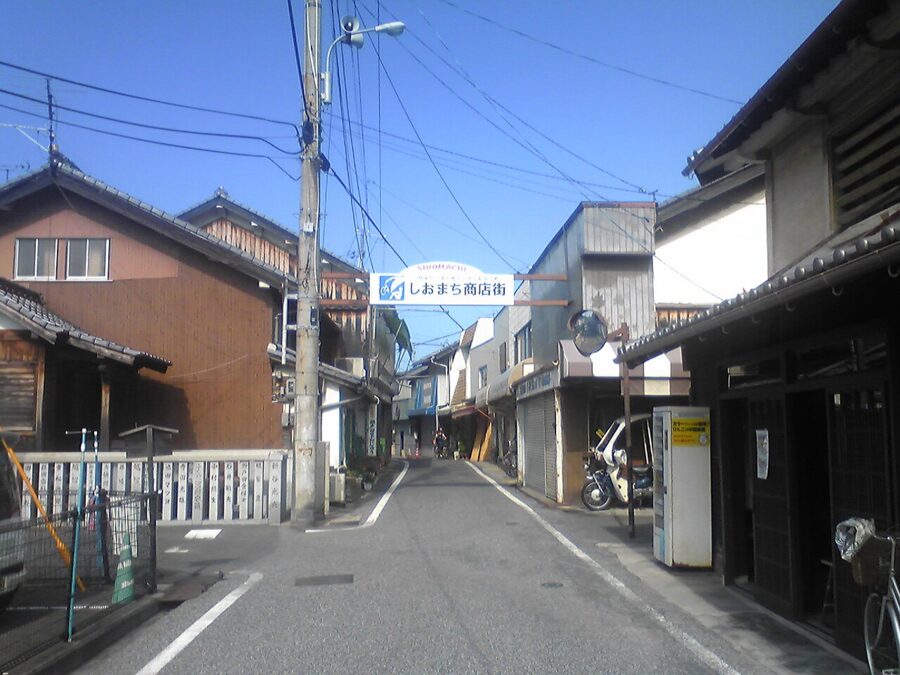
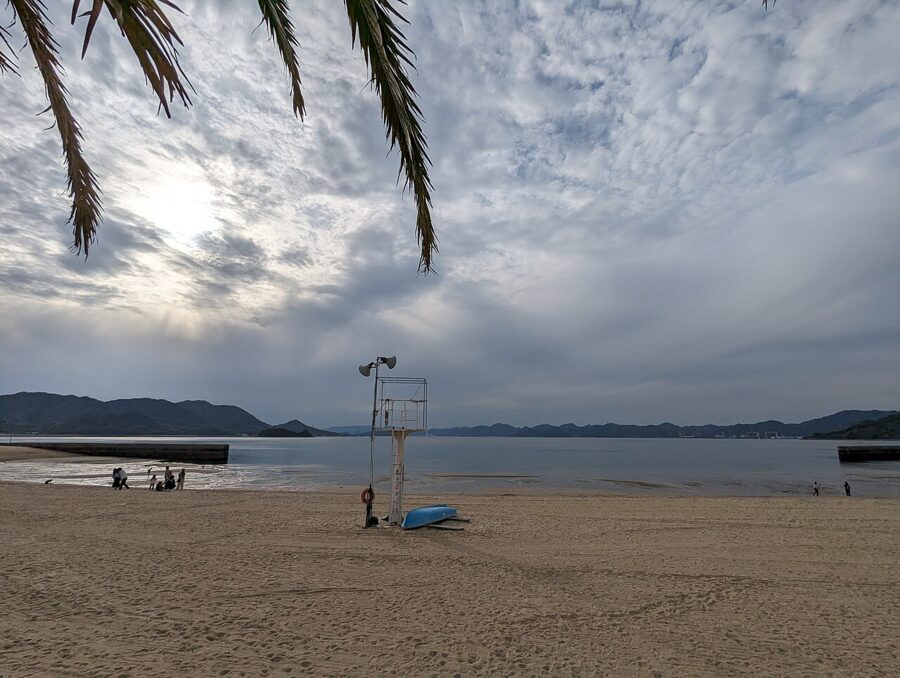
By late afternoon in Setoda, the riders coming off the cycling route split into two groups. One group wheels its bikes down to the port for the boat back to Onomichi. The other wheels them up the Shiomachi shopping street to a room, and gets the better evening: the sunset from the beach, a hot bath, dinner in a town that is about to go quiet, and the Tatara Bridge in the morning on fresh legs.
Where you sleep on the Shimanami Kaido is mostly a question of where your legs run out. The cycling route is about 70 km (43 miles) from Onomichi Station to Imabari Station, and Setoda sits close to the middle, about 30 km (19 miles) along the blue line from Onomichi and about 40 km (25 miles) from Imabari. That one fact explains why a small port town on Ikuchijima has more beds per street than anywhere else on the islands, and why Omishima, one bridge further on, is the other name that keeps coming up.
Book the night, not just the bed. On the islands the inn is often the dinner, the bike shed and the bath as well, and the front desk at a small place may stop taking arrivals at eight in the evening. Get the town right first and the rest follows.
One, two or three days: where the ride stops
Ridden in one day, the route needs no island bed at all: you sleep in Onomichi the night before, ride, and sleep in Imabari or take the bus back. That is the shortest Shimanami Kaido itinerary, and the catch is that you see the bridges and little else.
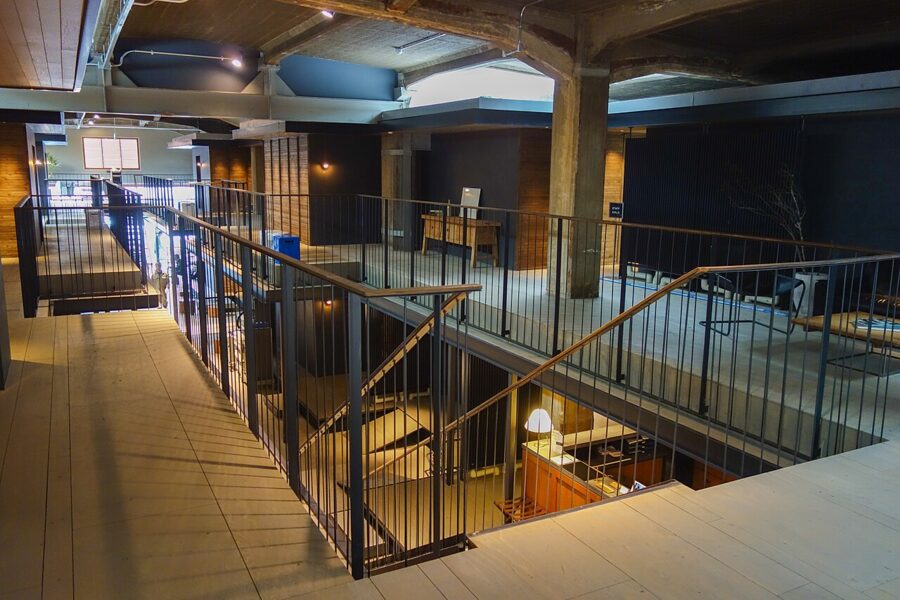
Two days is where the islands start to matter, and the overnight stop almost chooses itself. Setoda is the halfway point, it has two direct ferry routes to Honshu if the weather turns, and it has the widest range of beds on any island: a hostel-style hotel, a bathhouse with rooms, an old ryokan, guesthouses and a luxury inn, all within a few minutes’ walk of the port. Sunset Beach is 3.5 km (2 miles) down the coast.
Omishima is the other choice, and it suits riders who want to reach the Tatara Bridge on day one. The road from Setoda Port to the Tatara Shimanami Park roadside station on the far side of the bridge is 8.5 km (5 miles). Omishima splits in two for sleeping: the cyclist hostels, cottages and campsite are on the east side by the bridge, where the blue line runs, and the old inns are in Miyaura on the west coast, by Oyamazumi Shrine, a few kilometres off the route.
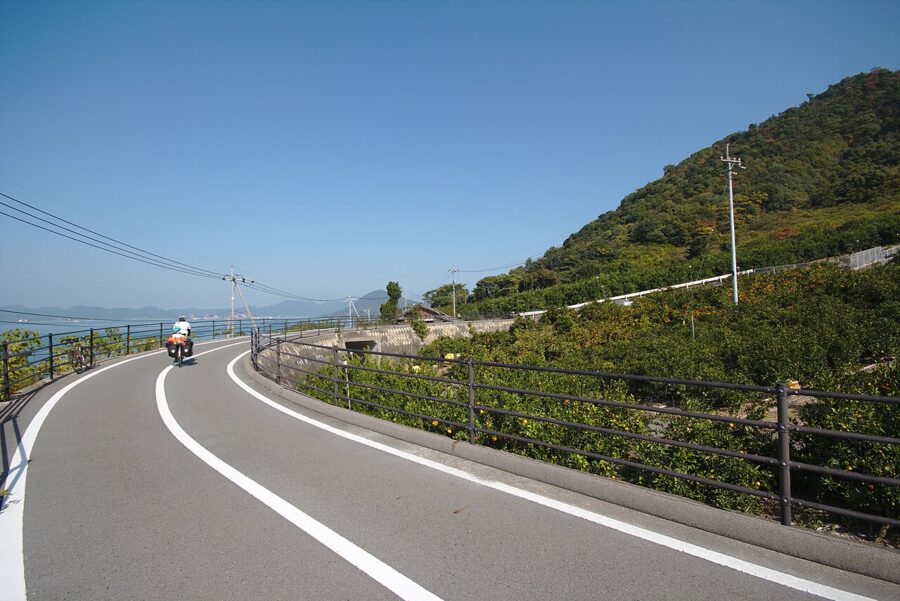
Three days lets you stop twice, and then the quieter islands come in. A common pattern is Innoshima or Setoda on the first night and Omishima, Hakatajima or Oshima on the second, which leaves a short last morning over the Kurushima-Kaikyo Bridge into Imabari. If you are riding from Imabari, turn the whole thing round: Oshima’s south end is a gentle first evening, and Setoda still works as the middle night.
Luggage can decide it too. Forwarding services deliver to named member inns rather than to any address, so if you want to ride light, that list shapes your choice as much as the luggage, ferries and buses at each end do (more below).
Onomichi: sleeping at the start
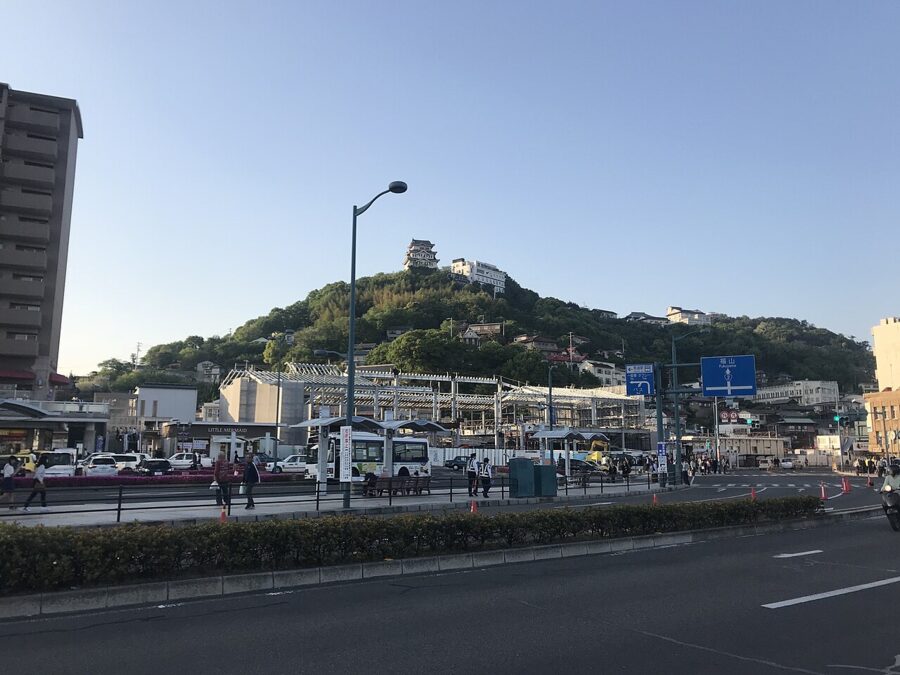
Most riders spend at least one night in Onomichi, before they set off or after they come back. Down by the station and the harbour are the business hotels and the cyclist hotels, flat, easy and next to the rental terminal. Up the hill behind are the guesthouses in old houses and the newer boutique inns, with views over the channel and a lot of steps.
By the station and the harbour
Since October 2025 the main Shimanami Japan rental terminal has been on the ground floor of the rebuilt Onomichi Station building, which makes the station front the easiest place to sleep before a ride. Upstairs in the same building is Station Inn The Urashima, a capsule hotel thirty seconds from the ticket gates, with more than a hundred berths on the men’s side. It is the cheapest clean bed in town and the one I would pick for a dawn start.
Hotel Beacon Onomichi is a 21-room hotel right at the station, and three of its room types are built for cyclists, with racks that let you keep a road bike in the room; the corner rooms look out over the railway. Across the station square, Green Hill Hotel Onomichi is the bigger, plainer hotel facing the channel, and it is one of the hotels in the Sagawa luggage service.
The name everyone knows is Hotel Cycle, inside Onomichi U2, a 1943 shipping warehouse on the harbour west of the station. You can check in without getting off your bike, every room takes a bike, most have a wall hanger, and there is a repair space with tools to borrow; the bathrooms are stocked with Imabari towels. The hotel also ships bikes and luggage home or ahead. A standard twin for two starts at ¥19,800 (about US$130) a night, tax included, as of late 2026, and the warehouse also holds a restaurant, a bakery, a bar and a bike shop.
Up the hill and along the old town
The covered Hondori shopping arcade runs east from the station, and on it is Anago no Nedoko, a guesthouse in a restored townhouse run by the group that rescues Onomichi’s empty houses. The same group runs Miharashi-tei, a 1921 villa on the cliff just below Senkoji Temple. To reach it you climb a little over 300 stone steps from the seafront. It is a wonderful place to wake up, and a terrible place to take a bike: leave it at the station or at a hotel below.
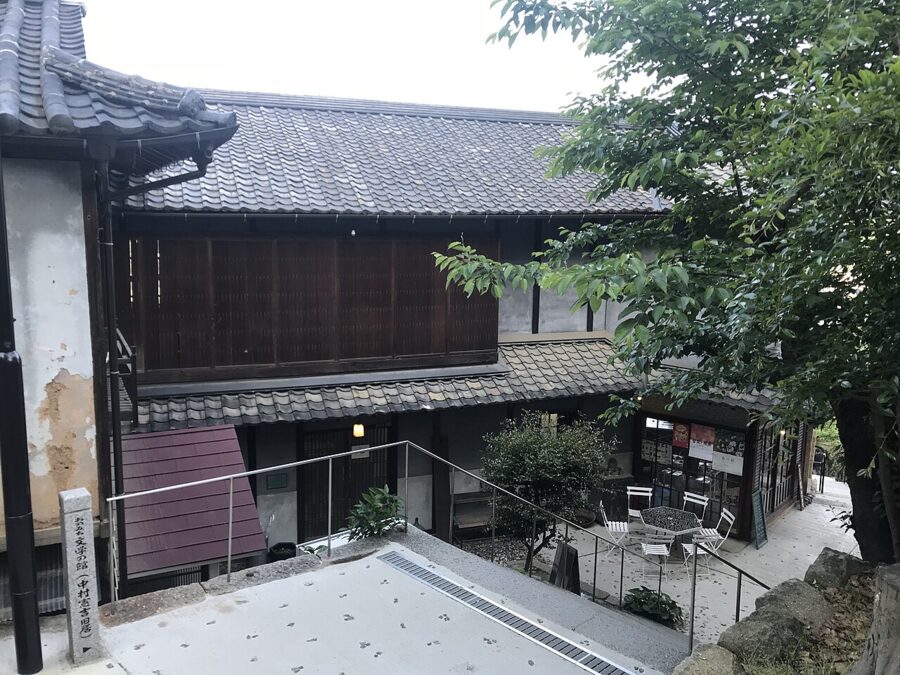
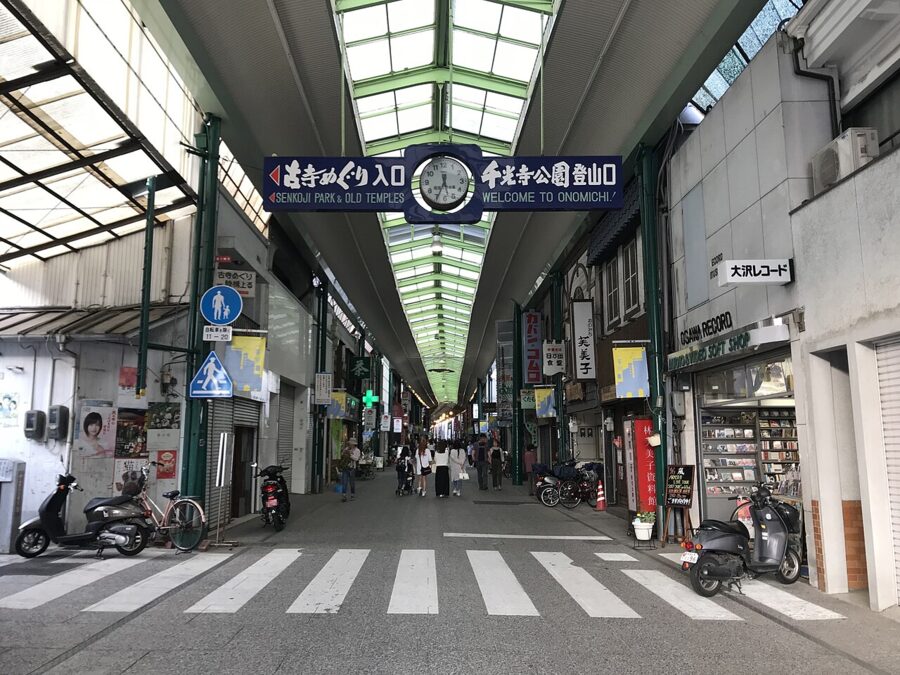
Higher still, Onomichi Club, the old Senkoji Sanso rebuilt and reopened in 2025, calls itself the closest hotel to Senkoji and has a rooftop bar. East of the centre in Sanba, Ryokan Onomichi Nishiyama has eight rooms in six detached houses round a garden and three more in a main building facing the sea, with French cooking built on Setouchi produce. Both are for the night after the ride rather than the one before it.
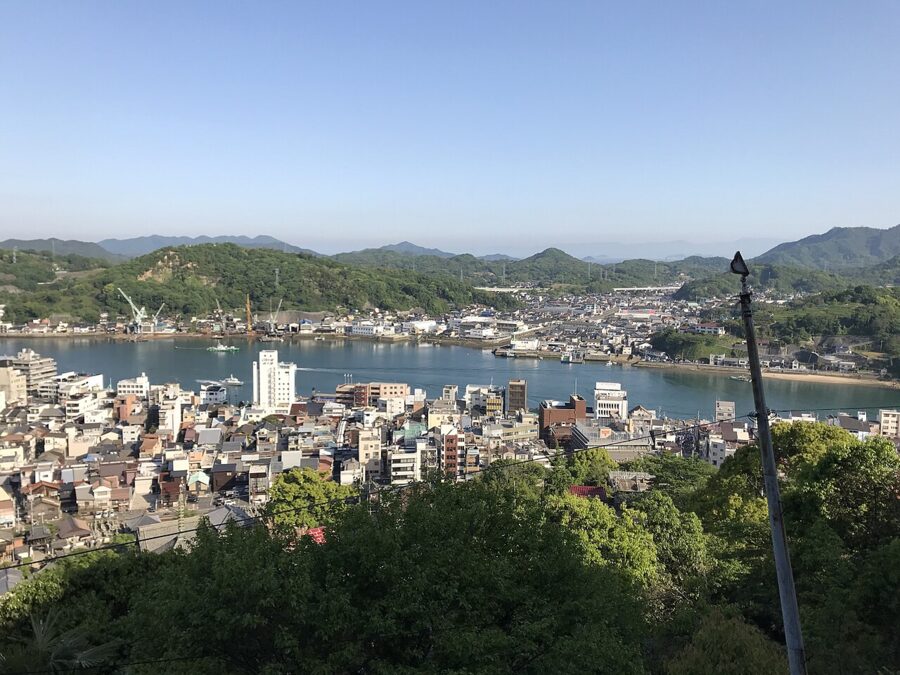
Onomichi sits on the Hiroshima side, and so do Mukaishima, Innoshima and Ikuchijima. Since 1 April 2026 Hiroshima Prefecture’s accommodation tax has added ¥200 (about US$1.30) per person per night wherever the room rate is ¥6,000 (about US$40) or more per person before tax. Below that it is not charged. Inns collect it at check-in or with the bill, separately from the room price.
Imabari: sleeping at the end
The Imabari end is a working city, and the beds are mostly business hotels round JR Imabari Station, where the route finishes and the rental terminal sits. The rooms are cheap, and Shimanami Japan lets you hand back a rental bike at designated inns and hotels in Imabari if you are staying there, so you do not have to ride back to a terminal in the evening.
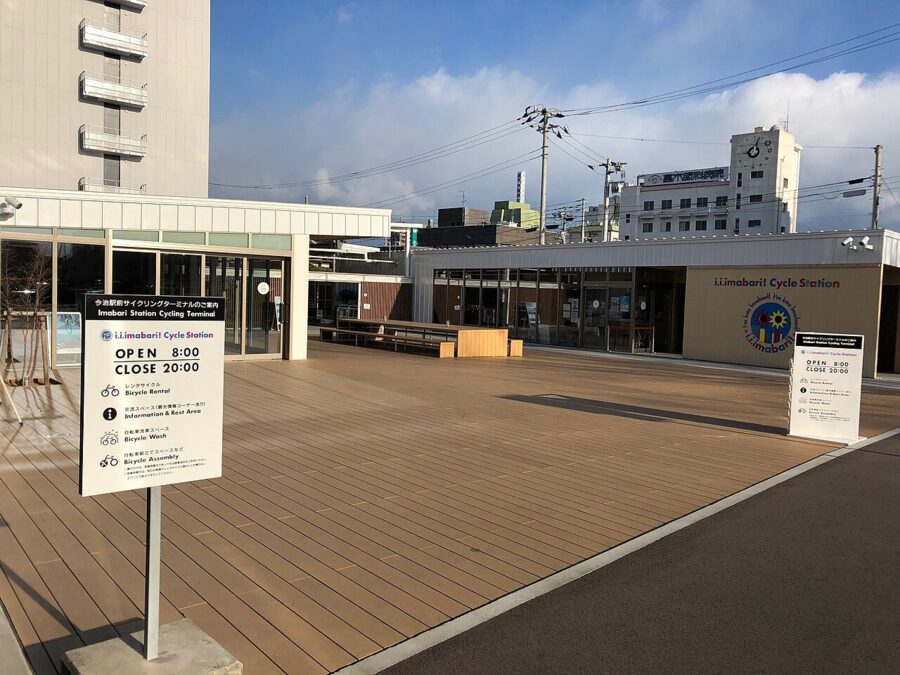
Cyclo no Ie, about 100 metres from the station, is the guesthouse built for this route. Dormitory beds are ¥3,200 (about US$21) a night and a private room for two is ¥7,400 (about US$49), room only and tax included, as of late 2026. There is a locked indoor garage, a maintenance room with proper tools, a coin laundry open until 23:00 and a shared kitchen, and bike and luggage storage is free for guests from check-in day to check-out day. Check-in runs from 16:00 to 21:00 and the lights go out at 23:00.
For a hotel room, JR Clement Inn Imabari, opened in 2021, is a minute from the station and has rooms with bike hangers. Hotel Crown Hills Imabari Ekimae, also a minute away, keeps bikes inside and will hold your luggage. Shimanami Prime Hotel Imabari, which opened in March 2024 five minutes’ walk from the station, has a bath and sauna on the top floor, and Orange no Kaze, ten minutes away, is a dormitory guesthouse with bike stands in its garage.
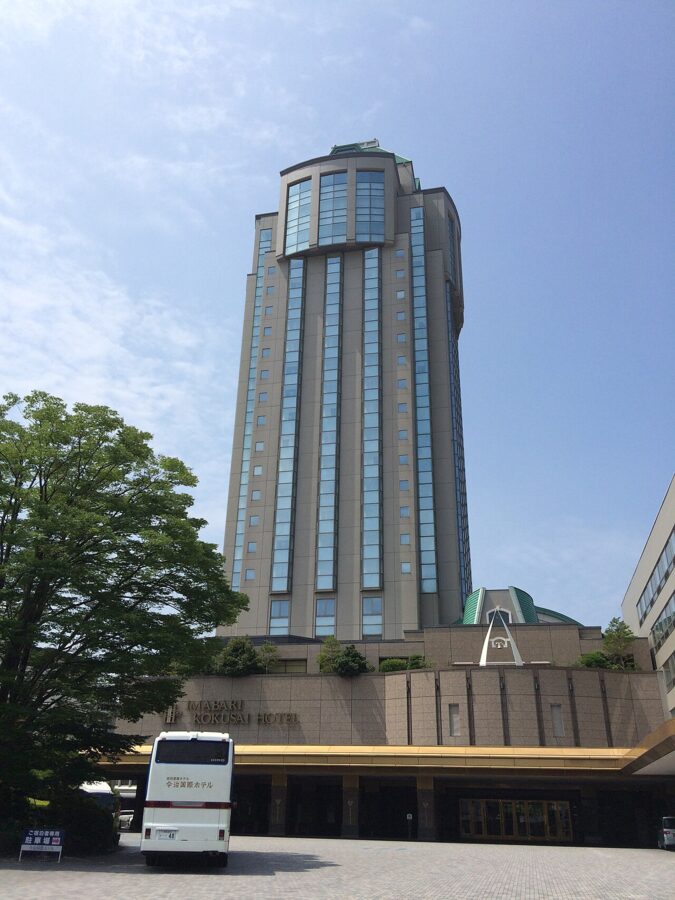
If what you want after 70 km is hot water, two hotels further from the station have it from the ground. The Imabari Kokusai Hotel has a large bath with an open-air hot spring and a sauna, and Super Hotel Imabari, about five minutes from the station by car, has a natural hot spring bath, Kaido no Yu, that its guests can use through the night.
Sunrise Itoyama, the city-owned hotel at the foot of the Kurushima-Kaikyo Bridge, closed on 31 March 2026, so there is no bed at the bridge for now. Imabari City signed an agreement in April 2026 to rebuild it as a higher-end hotel: the refurbished building is due to open with 23 rooms in the winter of fiscal 2027, and a separate block of 20 villas a year after that, with work on the existing building scheduled to start in October 2026.
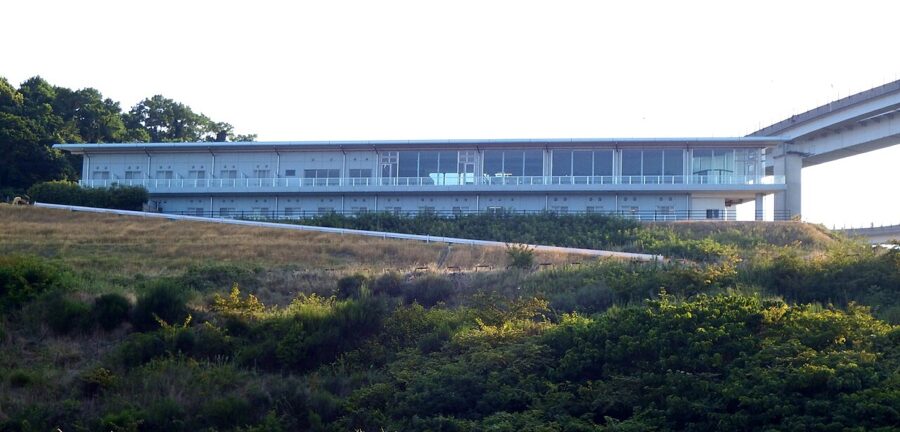
The most unusual bed at this end is on Umashima, the small island under the Kurushima-Kaikyo Bridge. GLAMPROOK Shimanami has a hotel wing and glamping, and you reach it either by the lift that drops from the bridge to the island or by the ferry from Hashihama port. The hotel’s baths look straight at the bridge and the ships in the strait.
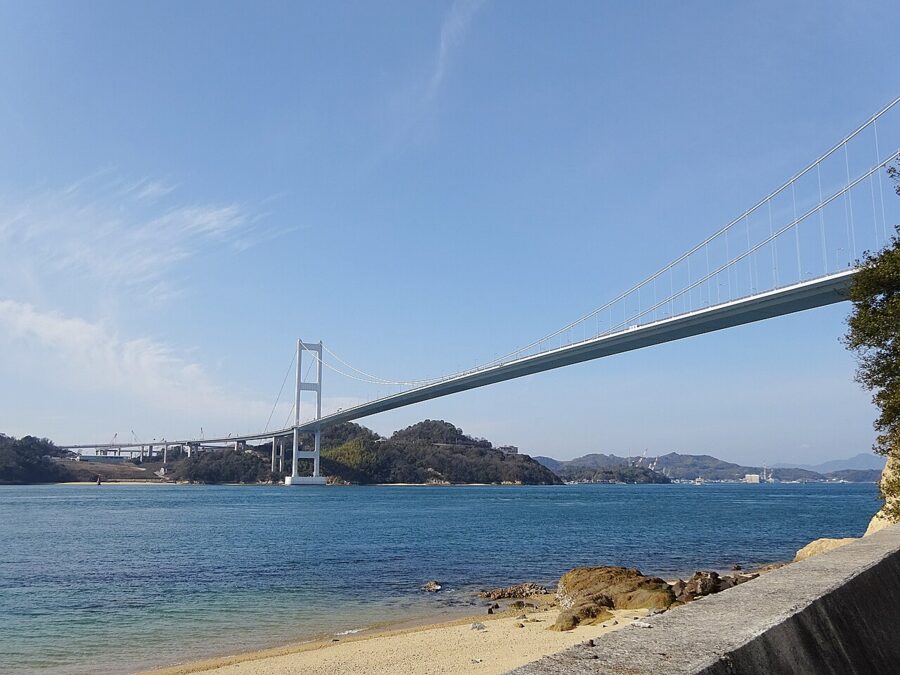
The islands in route order
The accommodation list kept by Shimanami Japan, which runs the rental bikes, has well over a hundred places between Onomichi and Imabari, and most of them are small. Here they are in the order you meet them from Onomichi, leaving out the islands of the Shimanami Kaido that sit off the route.
Mukaishima
Mukaishima is a few hundred metres across the channel from Onomichi, linked by small ferries, so few riders sleep there. It has a scattering of guesthouses, whole-house rentals and villas, some advertising bike storage, and suits a quiet night with a short boat hop into Onomichi in the morning. On the south coast at Tachibana, the city-run Marine Youth Center has a campsite with an online availability calendar; it is closed on Mondays.
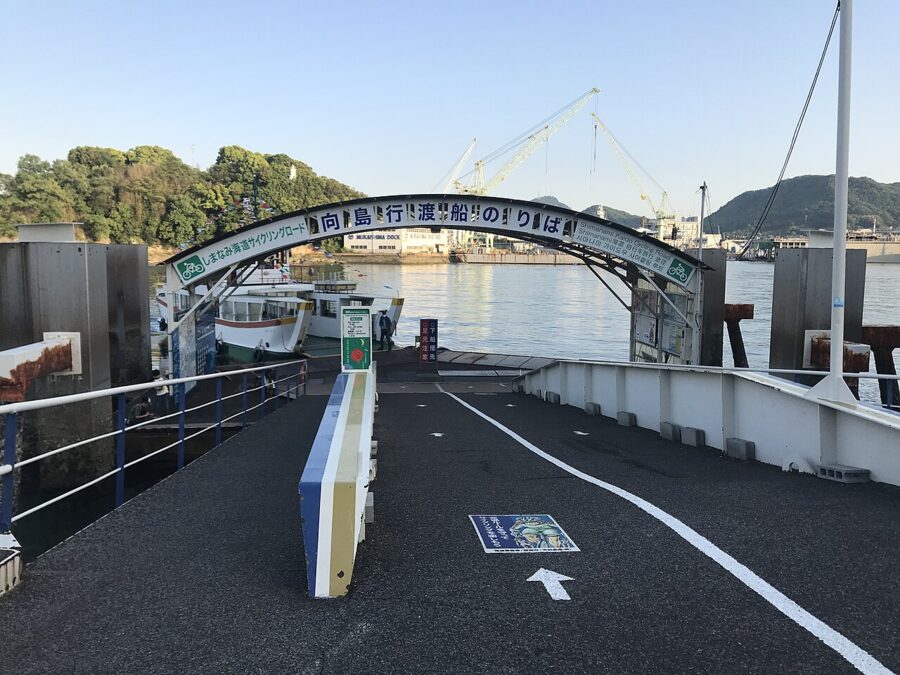
Innoshima
Innoshima is bigger than it looks from the bridge, and its beds are spread out, so pick by district. In Shigei in the north, under Mount Shiratakiyama, Pension Shirataki Sanso is a Vories-designed house run as a pension; it takes same-day bookings only until 17:00.
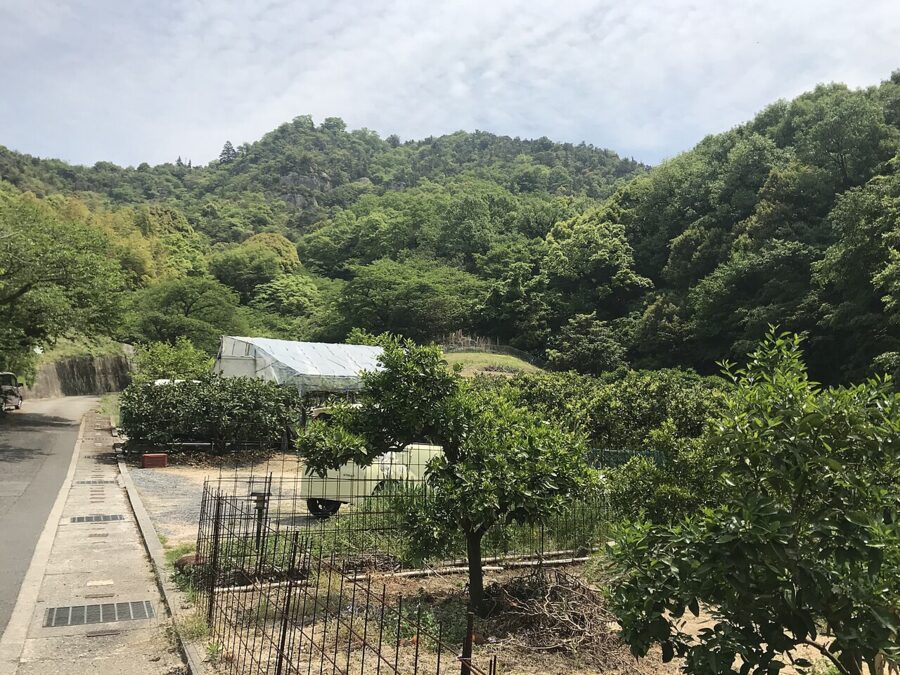
At the south end, Habu is the old shipyard town. Hotel Innoshima stands in Innoshima Park on the hill above it, with a view bath and a sauna, and Nautique Shiroyama is a small auberge on the site of Nagasaki Castle, an outpost of the Murakami pirates, facing the sea. In Taguma, a few minutes from the Ikuchi Bridge end, Minshuku Masumiso is a plain family inn with a stone bath, Wi-Fi and payment by PayPay or Rakuten Pay, and it has long housed shipyard staff on long stays as well as travellers.
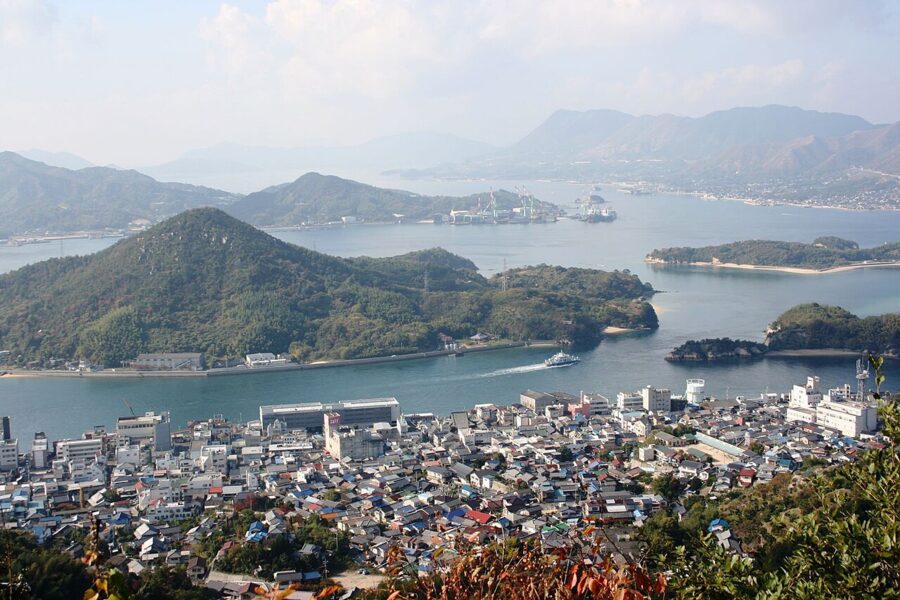
Ikuchijima and Setoda
Ikuchijima is where most two-day riders stop, and nearly all the beds are in Setoda, the port town on the north-west corner where the ferries from Onomichi and Mihara come in. At the top of the price range, Azumi Setoda is built around the 150-year-old house of the Horiuchi family, merchants who grew rich on salt and shipping, and every room has its own cypress bath.
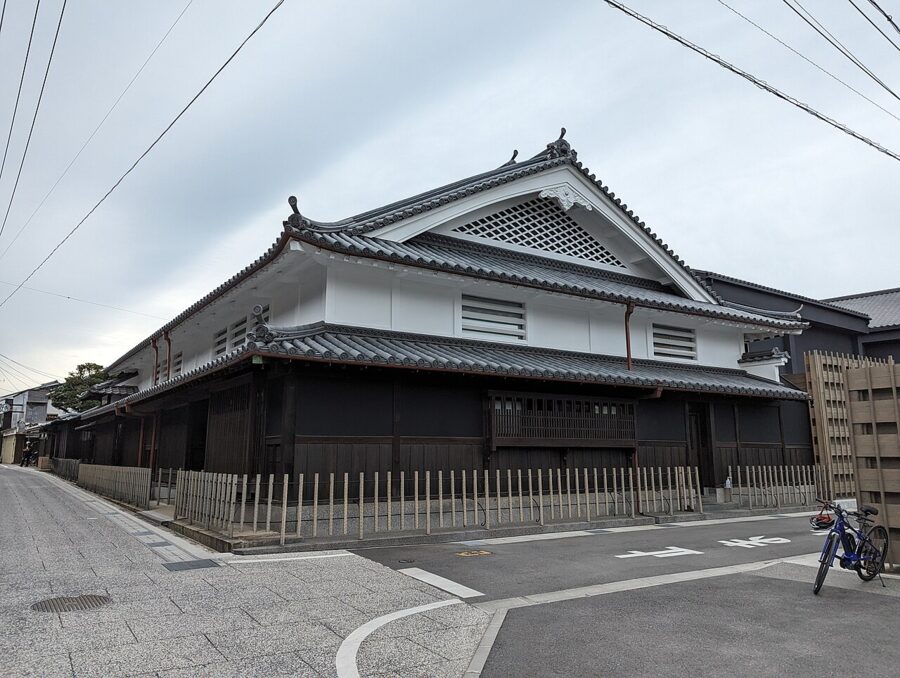
Its sister across the lane, yubune, is a bathhouse with rooms, and it is the stay I would point most cyclists to. The ground-floor rooms have an earth-floored entrance so you can wheel a bike straight in without taking your shoes off. The bath, with a sauna and cold plunge, is free for guests and open to everyone else from 10:00 to 20:00 for ¥900 (about US$6), or ¥1,200 at weekends and on holidays, with shorter hours on Tuesdays.
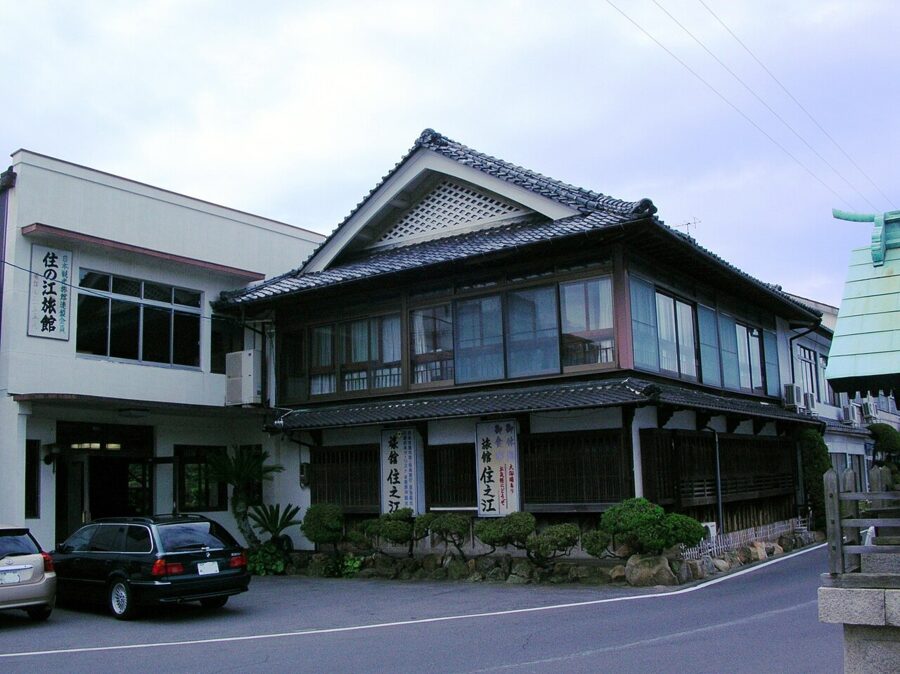
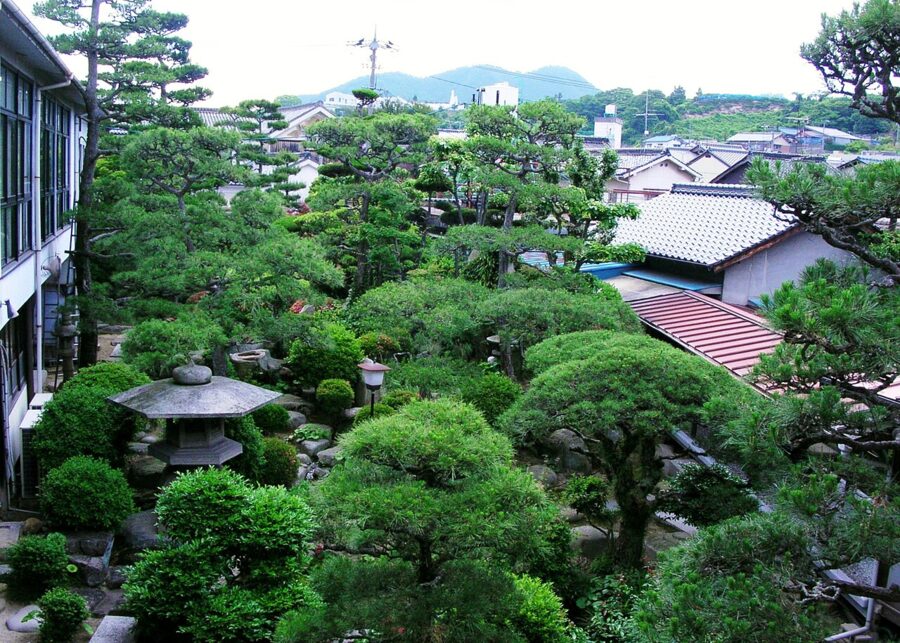
SOIL Setoda, by the port, mixes hotel rooms, studios and four-bunk rooms let whole, rents mountain bikes and e-bikes, and has a covered, locked bike store that opens only between 10:00 and 19:00. Check-in there is 16:00 to 20:00, and it does not do early arrivals. Next door, Suminoe Ryokan has been an inn for more than a century in a house that was once the Horiuchi family’s villa, with an Edo-period gate, a stone garden and a large bath.
Cheaper rooms are close by. Bed & Cafe Onzo, four minutes’ walk from the port, has private rooms only, up a steep staircase, a 12:00 check-out, no curfew and mopeds for hire. Guesthouse panipani is a 40-year-old house turned into a cheap guesthouse.
On the north coast towards the Ikuchi Bridge, Cycle Guesthouse Shiokaze in Hayashi is built around bikes: a double room is ¥5,000 (about US$33) for one or ¥9,500 (about US$63) for two on weeknights, a dormitory bed ¥3,500 (about US$23), and a session in its barrel sauna ¥1,000 (about US$7) extra, as of late 2026. It takes card payment only, does not take children under school age, and has opened bookings to 30 June 2027.
Down the west coast at Sunset Beach, Setoda Tarumi Onsen is a guesthouse on the cycling road with the island’s only natural hot spring, and its rooms and bath face the sand. Further south, round Miyabara and Hagi, the newer places are glamping sites and villas, among them LIT Shimanami and Lemon Farm Glamping at Citrus Park Setoda.
Omishima
Omishima is the second island where riders stop, and the side you choose matters more than the inn. On the east side, just over the Tatara Bridge in Kamiura, I-LINK Hostel & Cafe Shimanami is a hostel built for cyclists, a minute from the Tatara Shimanami Park roadside station, with single rooms, twins and dormitories. Its cafe serves lunch from 12:00 to 14:30 and dinner from 17:00 to 20:00 (last orders 19:30), and asks you to book a table; check-in is 15:00 to 20:00.
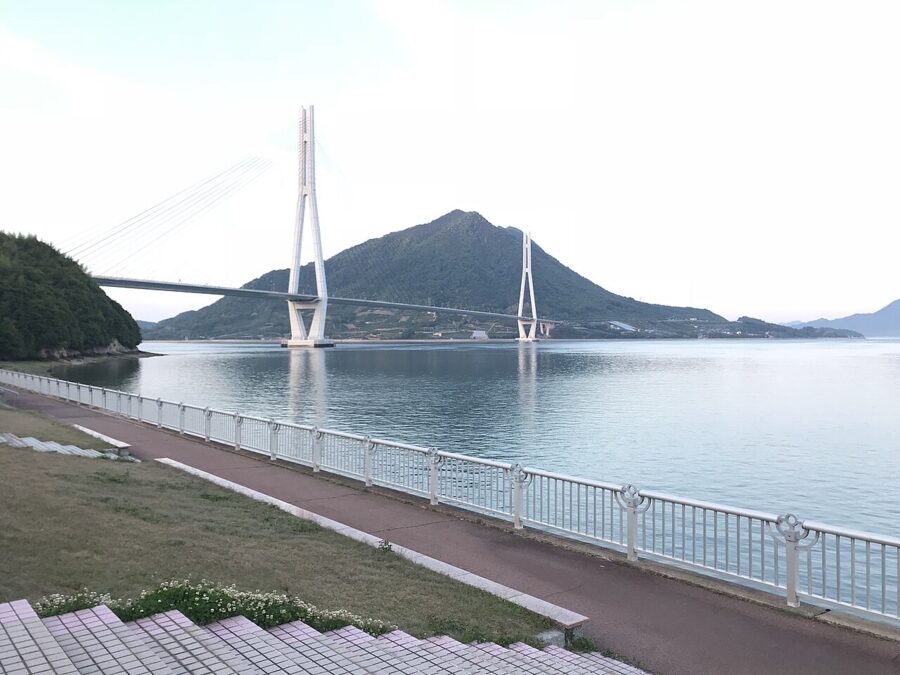
In the same district, WAKKA is a cycling base with sea-view rooms, cottages, dome tents and trailer rooms looking at the Tatara Bridge, a cafe you can wheel your bike into, and the widest set of rider services on the route: bike-carrying taxis, a sea taxi, same-day luggage and bike delivery, roadside repairs and the return of rental bikes on your behalf. If you want to ride half the route and be collected, this is where to arrange it.
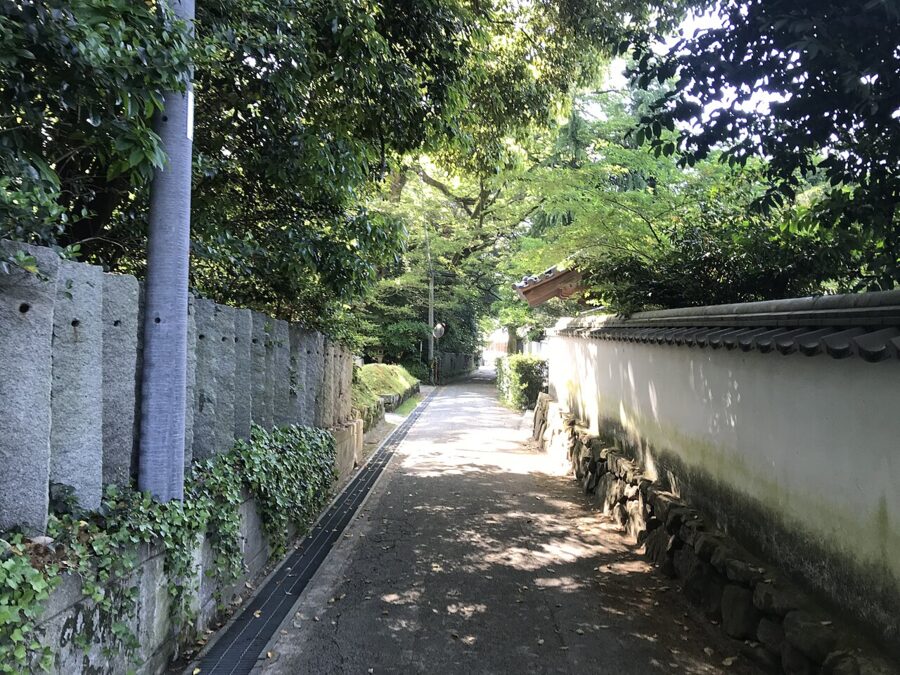
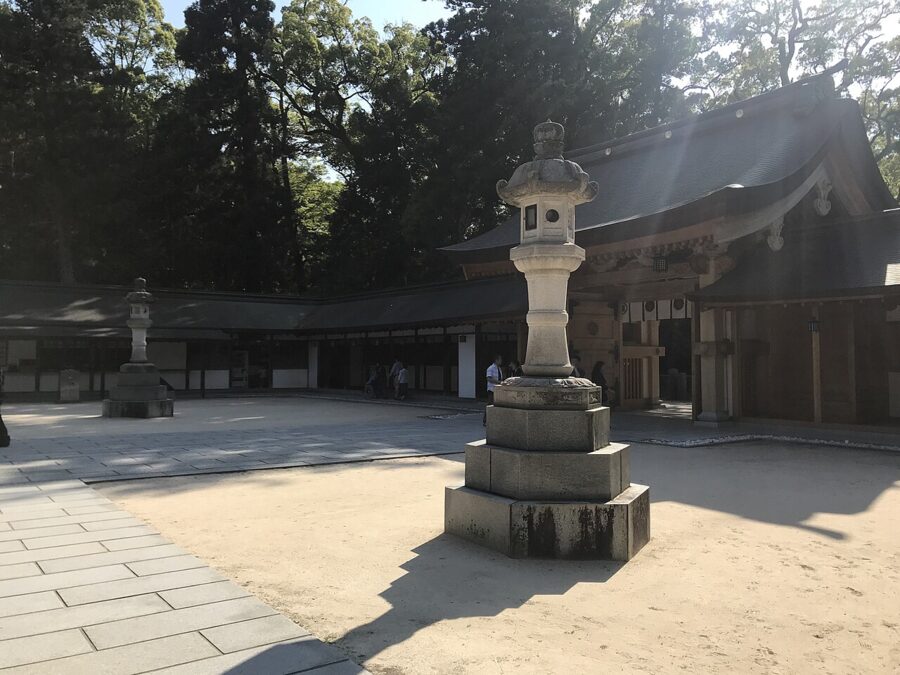
Miyaura, on the west coast, is the shrine town. Ryokan Sawaki, a fifteen-room seafood inn on the approach to Oyamazumi Shrine, lets you roll the bike through the front door into an indoor store, and has a pump with a gauge, tools, cleaning products and a washer-dryer; it also rents e-bikes. Check-in is from 15:00. Staying on this side means you can walk to the shrine before the day visitors arrive, and it adds only a few kilometres to the next morning’s ride.
Hakatajima
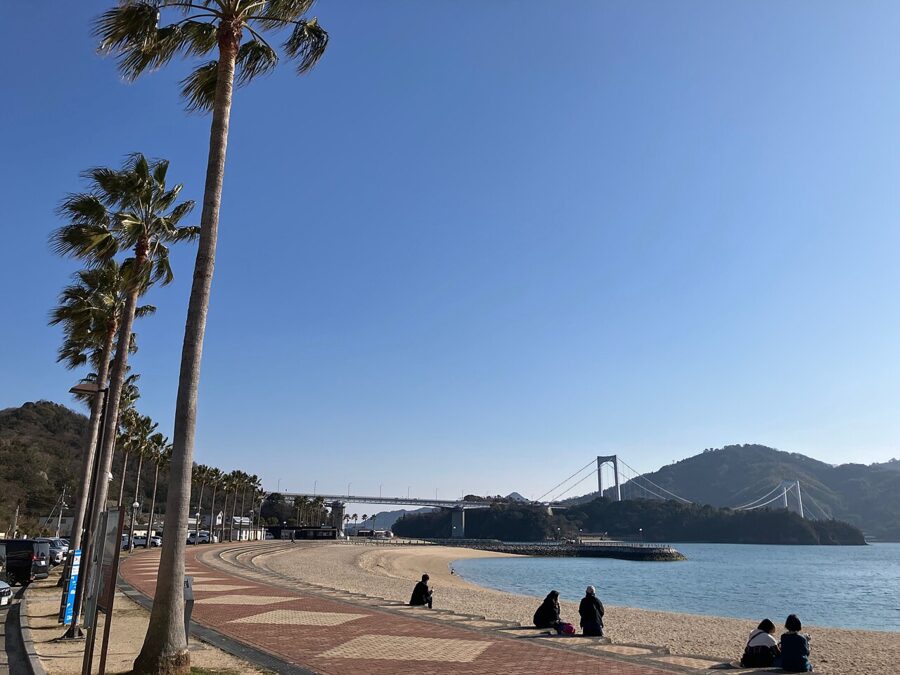
Hakatajima is the quiet middle of the route and has fewer beds, mostly small. On the south-west shore by Hakata Beach and the Hakata S.C Park roadside station, Dolphin Farm Shimanami has cottages, glamping, trailer houses and tent pitches beside a dolphin enclosure; its Journey trailer house with a roof deck is ¥12,000 (about US$80) per adult, room only, for two to five people, and bookings open six months ahead.
Near Kinoura port on the east side, Salt House is an 80-year-old former dentist’s surgery let as a whole house to one group of up to eight, with check-in handled in person between 16:00 and 21:00. In Ikata, on the north side by the Omishima Bridge, HANAGURI is a self-service ryokan in a 1980 inn building, with self check-in and no meals, run alongside WAKKA‘s rider services.
Oshima
Oshima (大島, Imabari) is the last island before the long bridge into Shikoku, and for riders starting in Imabari it is the first night out. At Nagoma, on the south tip facing the Kurushima Strait, Umiyado Sennenmatsu is a single inn in a cove whose dinners are built round whatever the local fishermen bring in that day, and in 2026 it added a seasonal vegan and vegetarian kaiseki menu.
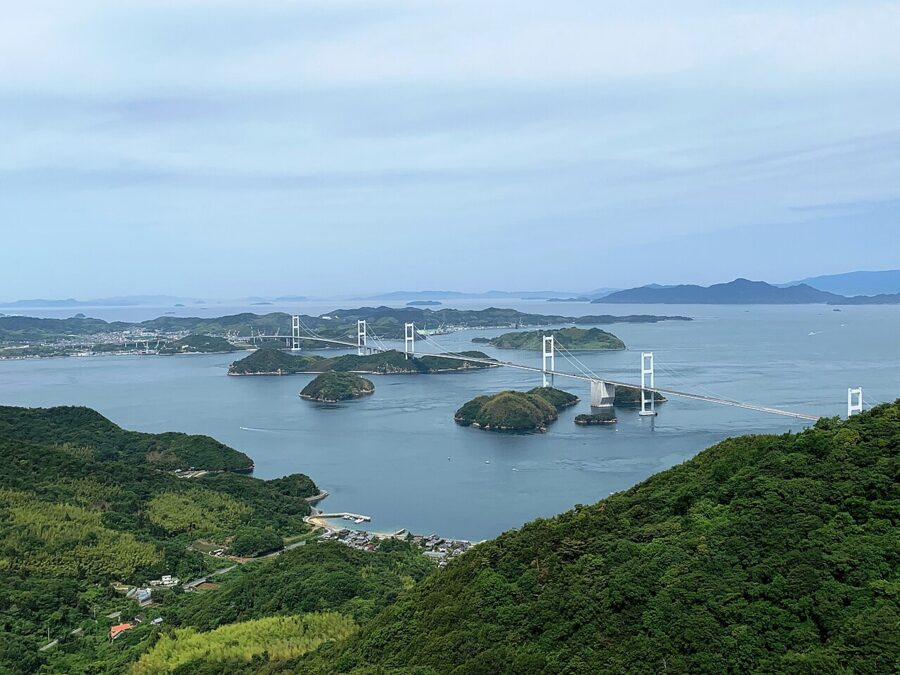
In Honjo, near the middle of the island, Guesthouse Shigemaru opened in January 2024 in a 100-year-old house. Its three rooms cost from ¥9,000 (about US$60) per room, the entrance hall doubles as a bike garage with a stand, and check-in is 16:00 to 20:00. The north-east of the island, round Miyakubo and the Murakami pirate museum, has a few minshuku and a whole-house villa.
What makes a stay good for cyclists
Many inns call themselves cyclist-friendly, but no single mark means the same thing everywhere.
Hiroshima Prefecture’s cycle omotenashi spot sticker covers shops and inns alike, with bike-in-room or bike storage as one optional service, but its published list dates from 2019 and 2020. The route’s Cycle Oasis rest stops, more than 150 of them, are about pumps, water and toilets rather than beds. Some guesthouses also cite a listing on the TABIRIN cycling site. Treat any badge as a prompt to ask.
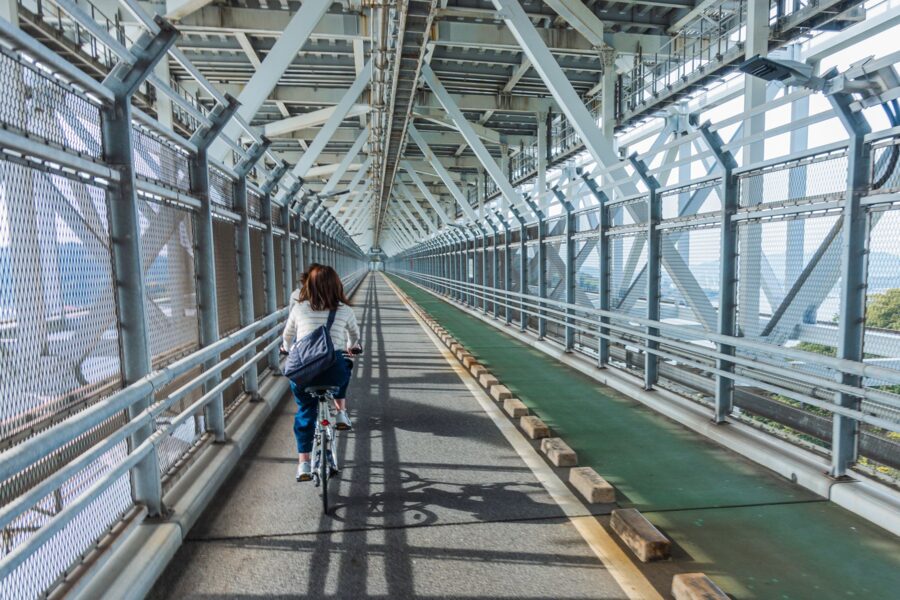
Ask four things before you book. First, where the bike sleeps: in the room, in a locked store, or under a roof outside. Second, when the store opens, since at SOIL Setoda it is 10:00 to 19:00 only. Third, whether you can wash and dry kit; Cyclo no Ie and Ryokan Sawaki can, plenty of small places cannot.
Last, ask what time dinner is served and when the desk stops taking arrivals, because on the islands the answer is often early. A pump with a gauge, as at Ryokan Sawaki, is a good sign that the people running the place know what riders need.
Luggage is the other half. Sagawa’s hands-free service for cyclists collects bags from member hotels in the morning, at most by 09:00, and delivers them to your next member hotel for collection after 18:00; the list includes Hotel Cycle, Green Hill Hotel Onomichi, Ryokan Onomichi Nishiyama, Azumi Setoda and SOIL Setoda, among others. The Pikuraku Porter lockers at the Onomichi and Imabari ends and in Setoda take orders until 14:00 and deliver to a list of island inns, mostly minshuku, by about 20:00 the same day. Not every service is running at any given time: on 30 September 2026 Cycle Guesthouse Shiokaze posted that the inn-to-inn luggage delivery offered through it was suspended for now.
Ryokan, minshuku and the bath
A ryokan is a Japanese inn with tatami rooms, futon beds laid out for you, and usually dinner and breakfast included; a minshuku is the family-run version, simpler and cheaper, often with shared toilets and a shared bath. On the islands both are built round the evening meal, and the meal is fish: sea bream, octopus and whatever came in that morning, the same fish that runs through all Shimanami Kaido food.
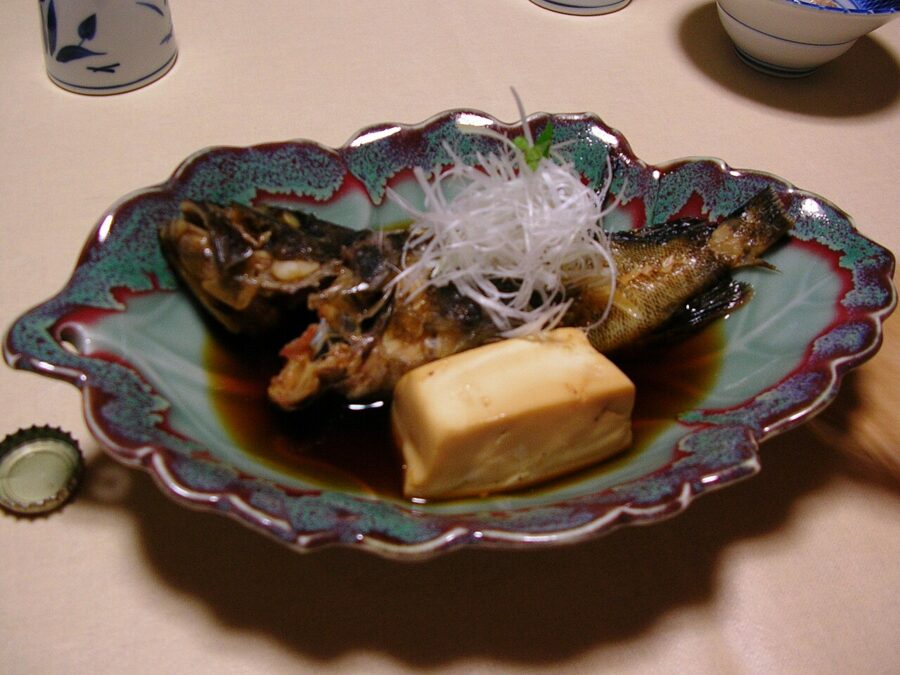
The meal is cooked for a set time, so tell the inn when you expect to arrive, and ring if the wind on the bridges has slowed you down. Shoes come off at the entrance, and bikes stay outside or in the store unless the inn offers otherwise. The cotton yukata in the room is fine to wear to dinner and to the bath.
In a shared bath you wash and rinse at the taps first, keep the small towel out of the water and get in clean. Rules on tattoos differ between inns, so ask when you book if it matters, or ask for a private family bath where there is one.
Natural hot springs are rarer on the islands than people expect. On the route itself the choices are Setoda Tarumi Onsen on Ikuchijima, and in Imabari the open-air hot spring at the Imabari Kokusai Hotel and the natural hot spring baths at Super Hotel Imabari and Hotel Route Inn Imabari. Shimanami Onsen Kisuke no Yu, near Imabari Station, is a hot spring bathhouse with simple rooms. Most other inn baths are ordinary heated baths, which after a day in the saddle do the job perfectly well; yubune‘s in Setoda is the best of them.
Camping and cottages along the route
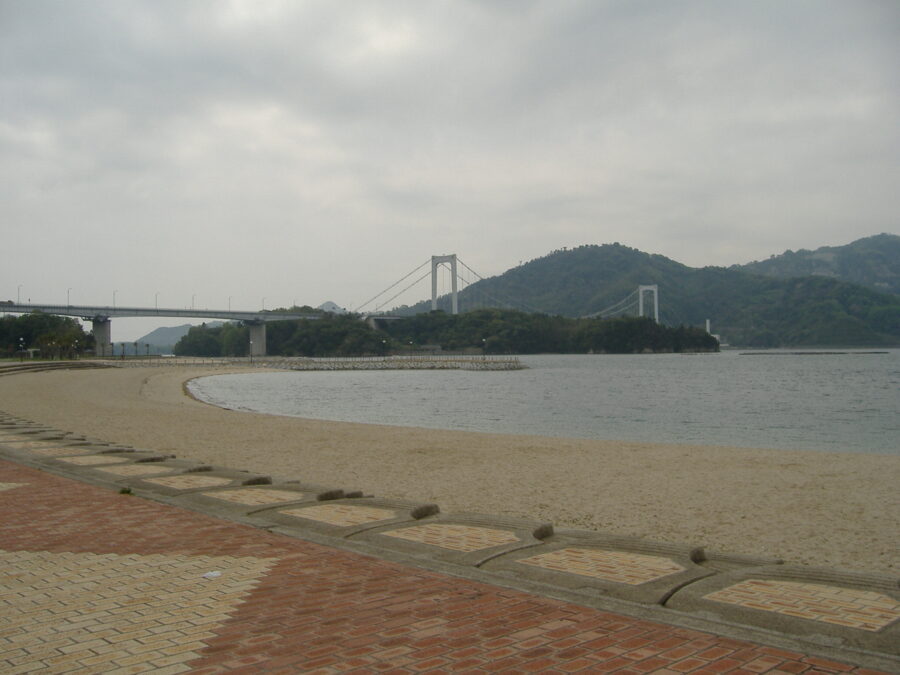
The best-equipped campsite on the route is Tatara Campground on Omishima, a free-pitch site beside a wide beach at the foot of the Tatara Bridge, with showers, flush toilets and a cooking shelter. Check in at the shop in the Tatara Shimanami Park roadside station between 12:00 and 17:00 and leave by 11:00 the next day. As of late 2026 the overnight fee is ¥310 (about US$2) per adult plus ¥1,050 (about US$7) for each tent or tarp you bring, or ¥2,100 (about US$14) to borrow one of theirs.
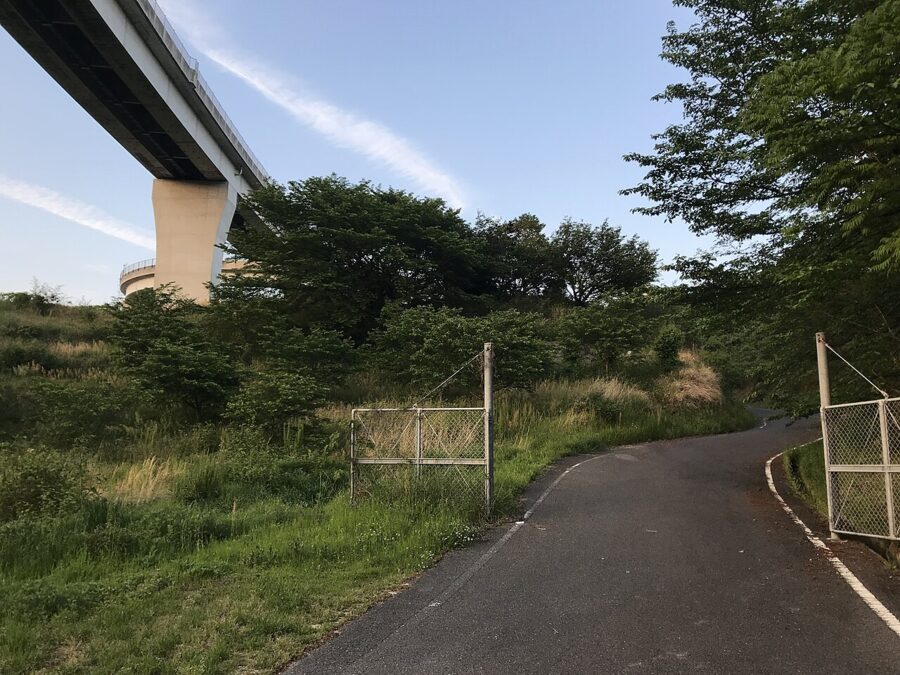
Tatara also has ten air-conditioned cottages for four or five people at ¥6,290 (about US$42) a night plus the per-person fee, booked only in advance. They are bare rooms with no bedding, toilet, kitchen or bath. Online bookings close at 12:00 four days ahead, and over the busy periods even tent pitches need a booking. There are no bins, no pets or ground fires, and no burning wood when Imabari’s forest fire warning is in force.
For the lightest kit, the free campsite on Mijikajima, the uninhabited islet under a pier of the Hakata-Oshima Bridge, needs no booking and costs nothing. You can only reach it on foot, by bike or by motorbike, which keeps it quiet. Bring what you need for the night.
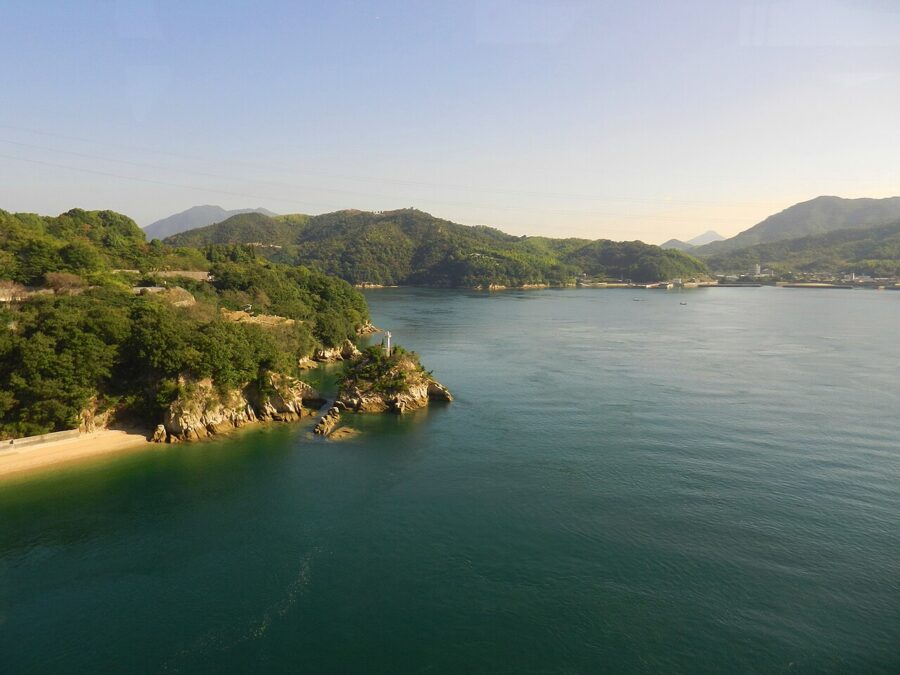
Elsewhere, Sunset Beach on Ikuchijima has a campsite and barbecue area run with the beach, Dolphin Farm on Hakatajima has pitches as well as cottages, and the Marine Youth Center on Mukaishima has a site of its own. Shore campsites can close in typhoon weather, most often in September; the best time to visit the Shimanami Kaido is well clear of it.
Booking: when, how and what it costs to cancel
The route has a few weeks a year when everything fills: Golden Week at the start of May, the summer holidays and Obon in mid-August, the September holiday weekends, the New Year, and autumn weekends generally. Suminoe Ryokan says outright that October and November are its hardest months to get into. In late October the international ride Cycling Shimanami also takes over: the 2026 edition on 25 October was planned for 7,000 riders, with the expressway closed from the Imabari interchange to Innoshima-kita from 06:00 to 12:40, according to the prefecture’s event plan.
Book further ahead than you would in a city. Ryokan Onomichi Nishiyama takes direct bookings up to ten months ahead, Dolphin Farm six months ahead, and Cycle Guesthouse Shiokaze had already opened dates to June 2027 by October 2026. For the busiest weekends, two or three months is not too early, and on long weekends the rental terminals can run out of bikes by about ten in the morning, so book the bike when you book the bed.
Book direct where you can. Small inns often sell only part of their rooms through booking sites, and some warn against resellers: Cyclo no Ie sells only some dormitory beds on Booking.com and asks guests not to book through resale sites such as Agoda, and Salt House says it has no contract with Agoda at all. Many small minshuku list only a phone number, which the Shimanami Japan list gives.
Read the cancellation terms before you pay. A common pattern at small inns is a fee that starts two or three days before arrival and rises to the full price on the day; at Cyclo no Ie it is 30% two days before, 50% the day before and 100% on the day or for a no-show. Strong wind and typhoons can close the bridges to bikes, so ask how an inn handles weather cancellations. The trains and buses for getting to the Shimanami Kaido are the fallback if the bridges close.
So: book the first night in Onomichi near the station, the middle night in Setoda or on the Tatara side of Omishima, and the last in Imabari at an inn that will take the rental bike back. Then wheel the bike up Shiomachi street before the light goes, and leave the Tatara Bridge for the morning.