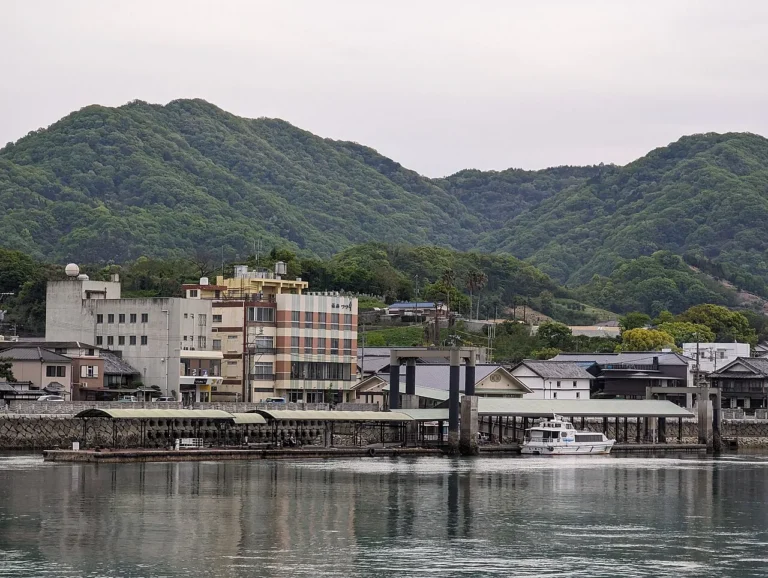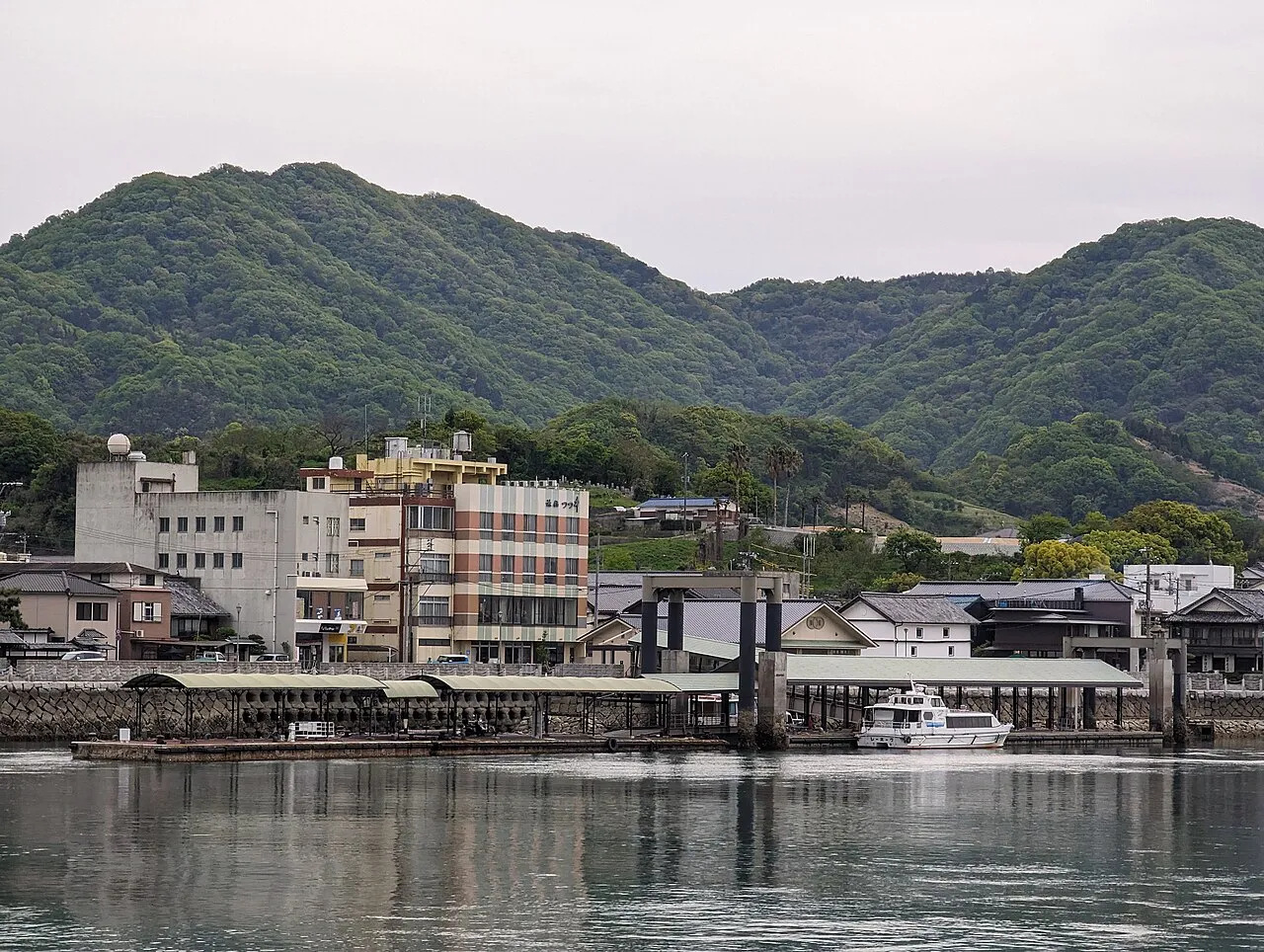
At five to five on Setoda pier, riders with a bike and no bed have a choice to make. The 17:00 boat is the last of the day to Onomichi. The alternative is two minutes’ walk away, behind a stone lantern and a white plaster wall at the foot of Shiomachi street, and it is the grandest and dearest bed in town.
On Tuesday 8 December 2026, a garden room at Azumi Setoda (アズミ瀬戸田) cost two people ¥124,026 (about US$830) with breakfast. On the Thursday before, the same room with dinner was ¥204,188 (about US$1,360). For that you get a 150-year-old merchant’s house restored by a Kyoto master of tea-house building, a cypress bath in your own room, a course dinner served on the family’s old plates, and the run of a bathhouse with a sauna across the street.
Whether that is good value depends less on the inn than on you. It turns on the day you arrive, on whether you came for the house or just for a bed, and on how early you want to be on the Tatara Bridge the next morning, halfway along the Shimanami Kaido.
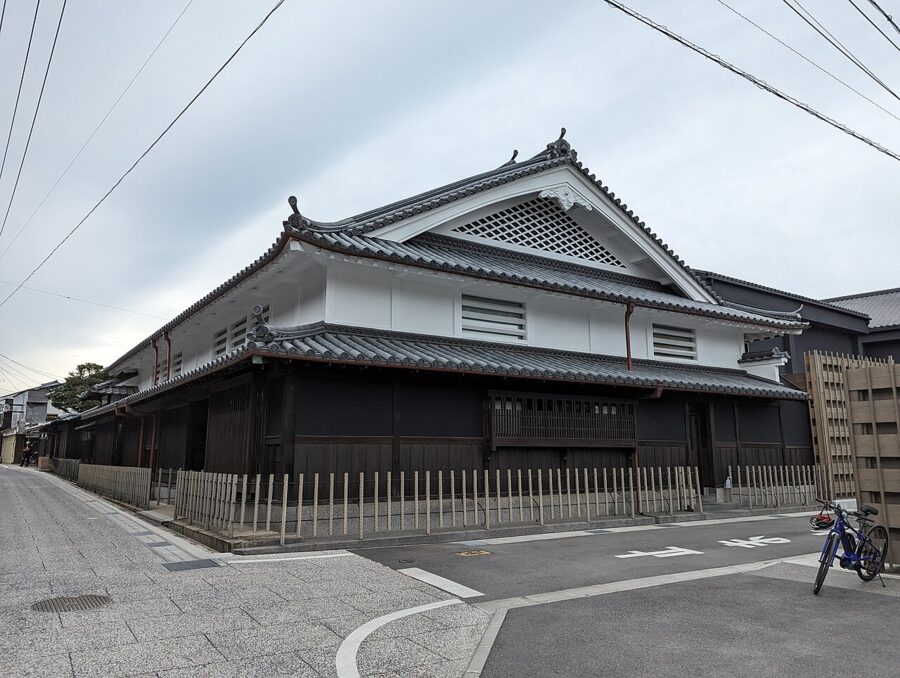
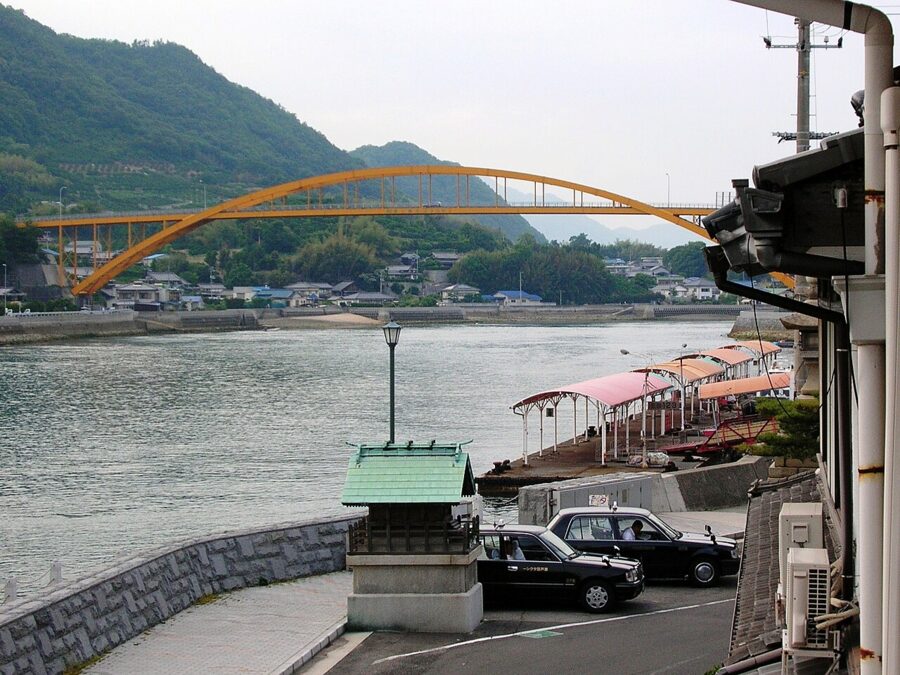
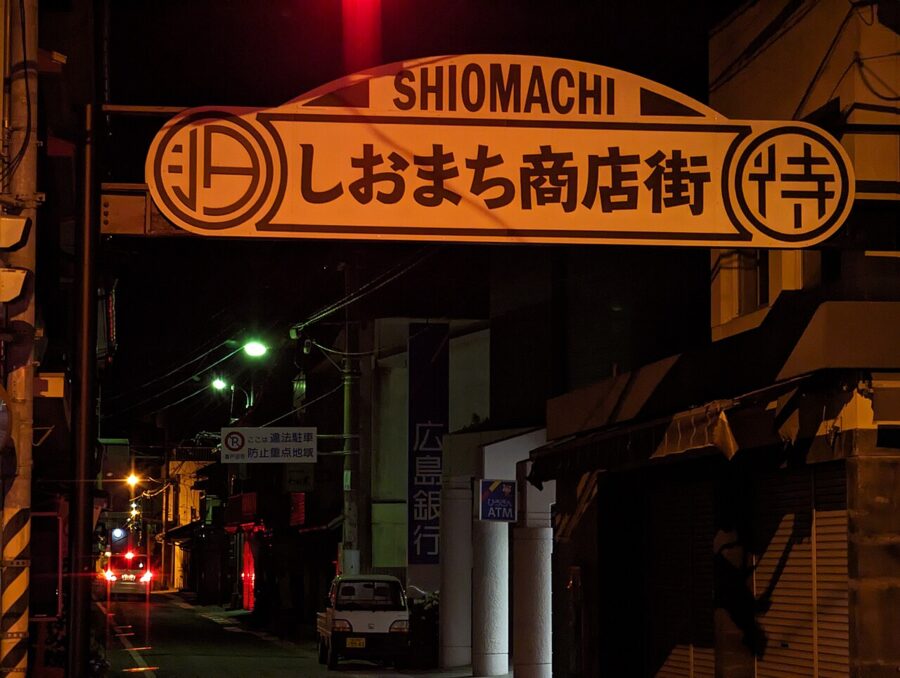
Where it stands on Shiomachi
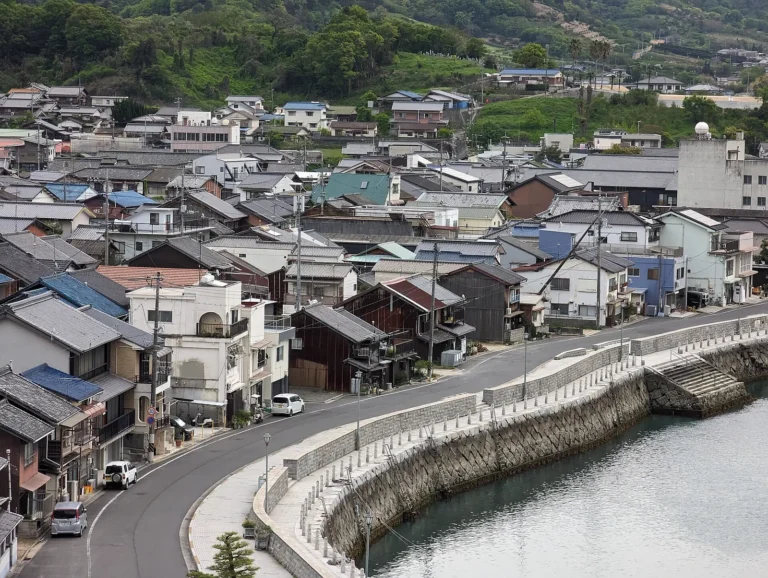
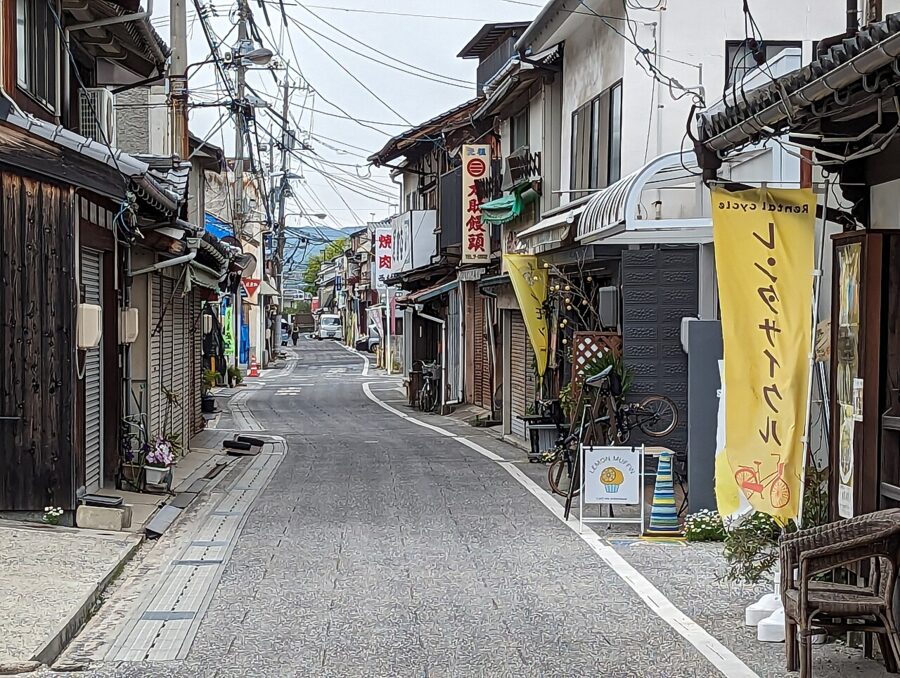
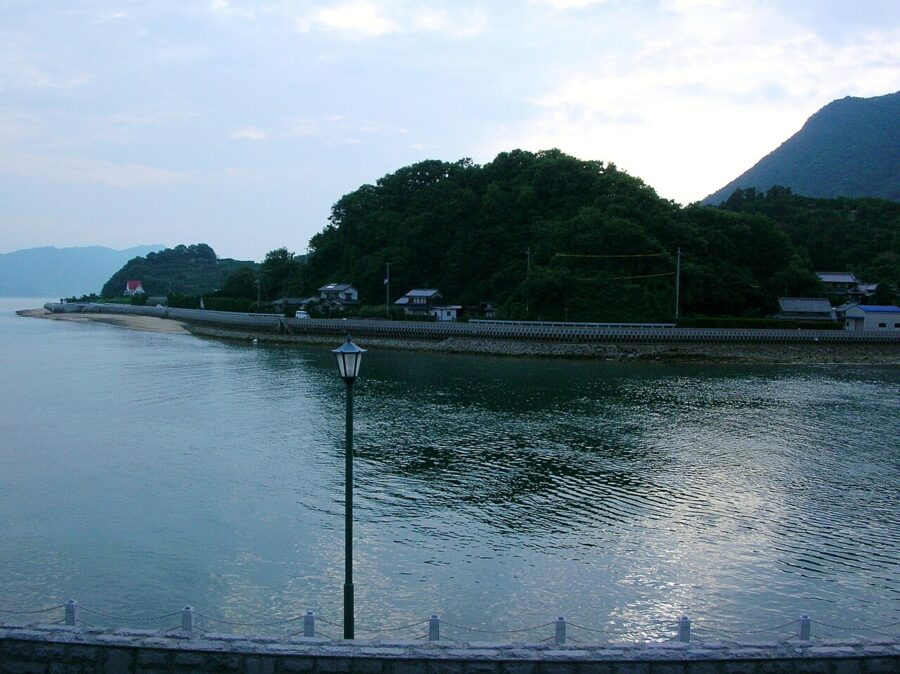
Azumi Setoda is in Setoda (瀬戸田), the port town on the north-west corner of Ikuchijima, about 30 km (19 miles) from Onomichi by the blue line of the cycling route and about 40 km (25 miles) from Imabari. The address is 269 Setoda, at the corner where the waterfront road meets Shiomachi shopping street (しおまち商店街), the street of shops that runs inland from the pier to the gate of Kosanji, about 500 m (a third of a mile) away.
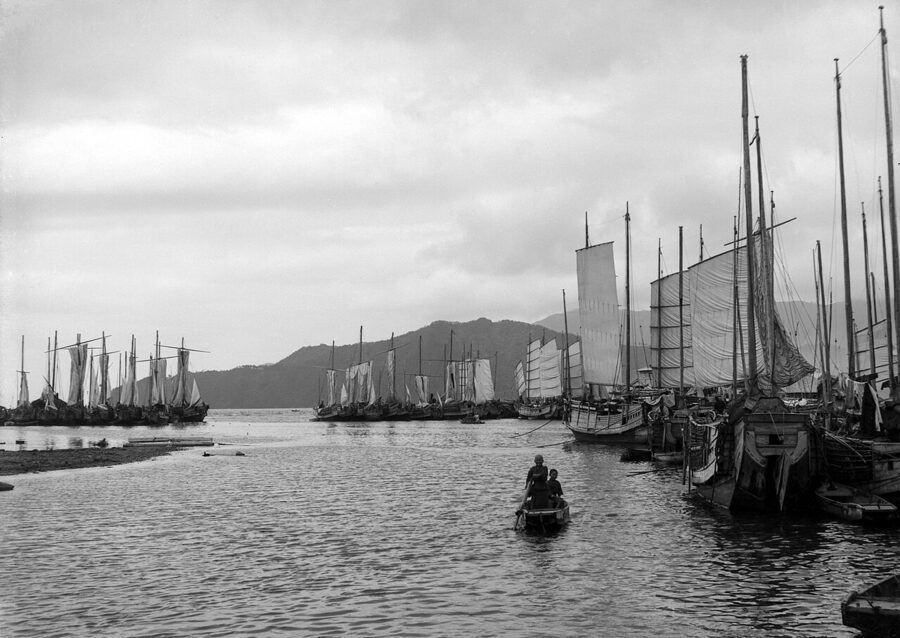
The street’s name explains the house. Shiomachi means “waiting for the tide”: in the Edo period, ships on the coastal run between Hokkaido and Osaka put in at Setoda to load cargo, trade and wait for the current to turn in the narrow channels. The salt pans behind the shore, worked by the irihama method of letting the tide flood the sand, made the town rich, and the family who did best out of both lived here.
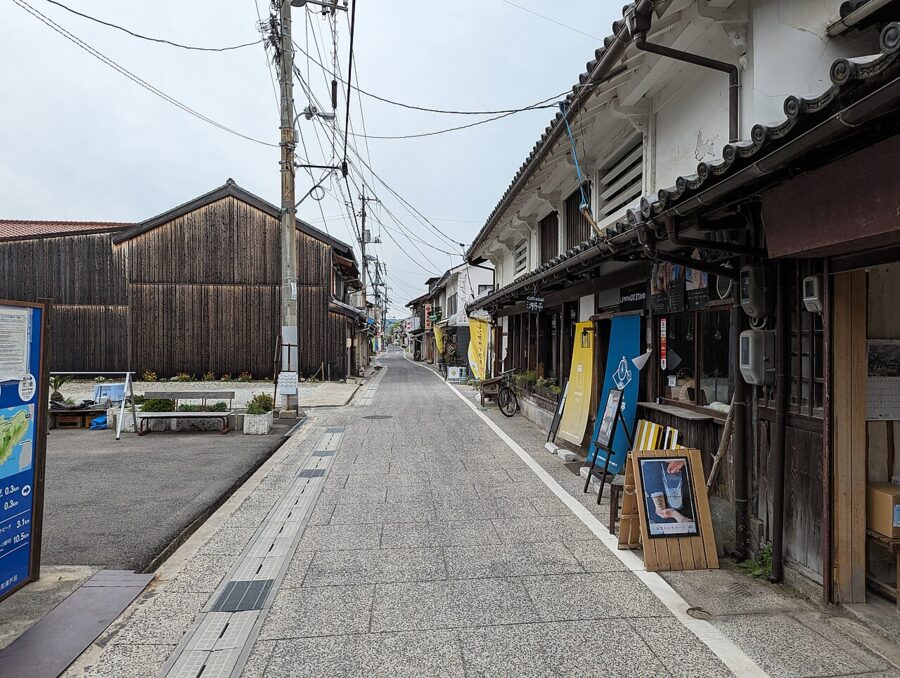
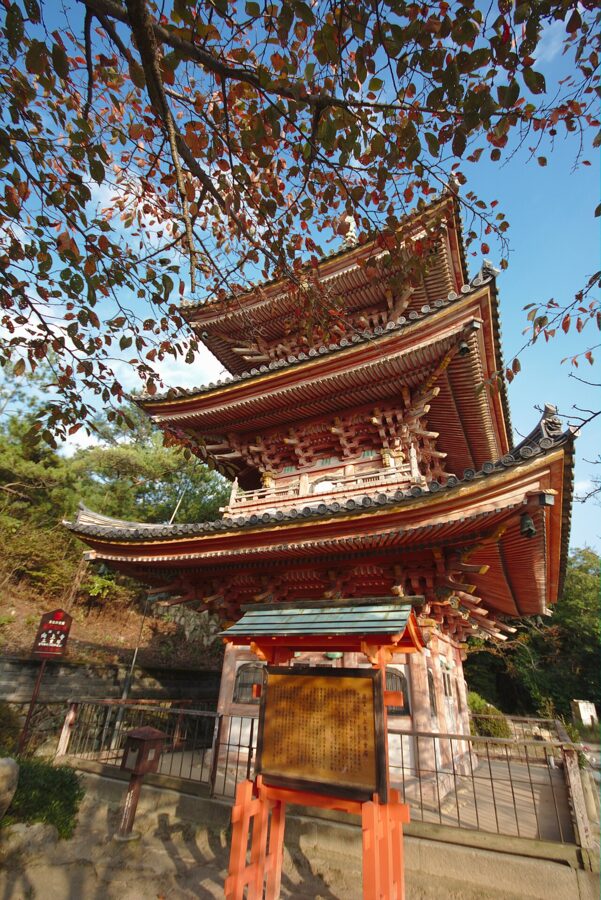
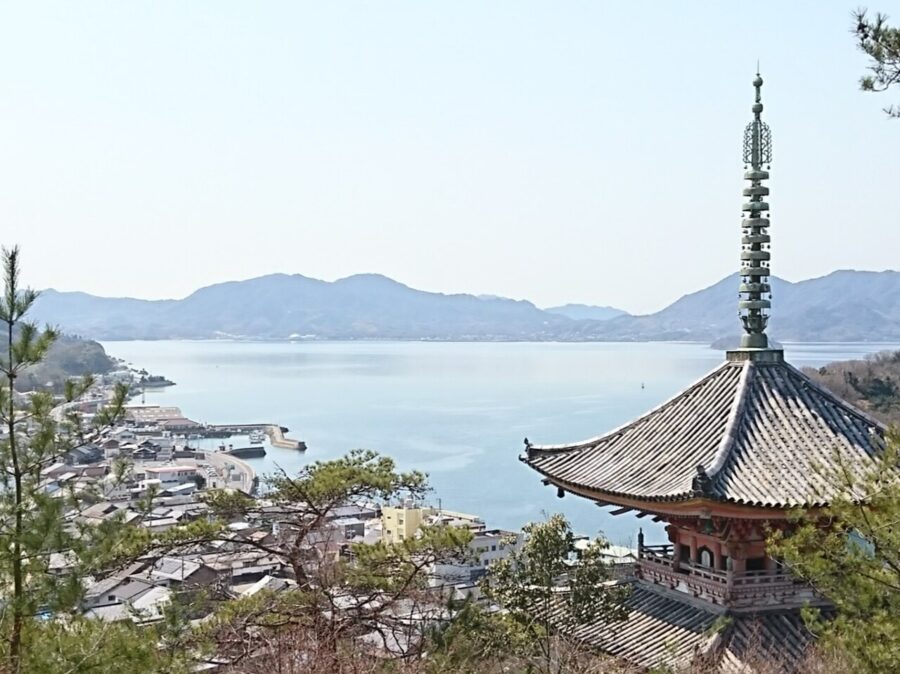
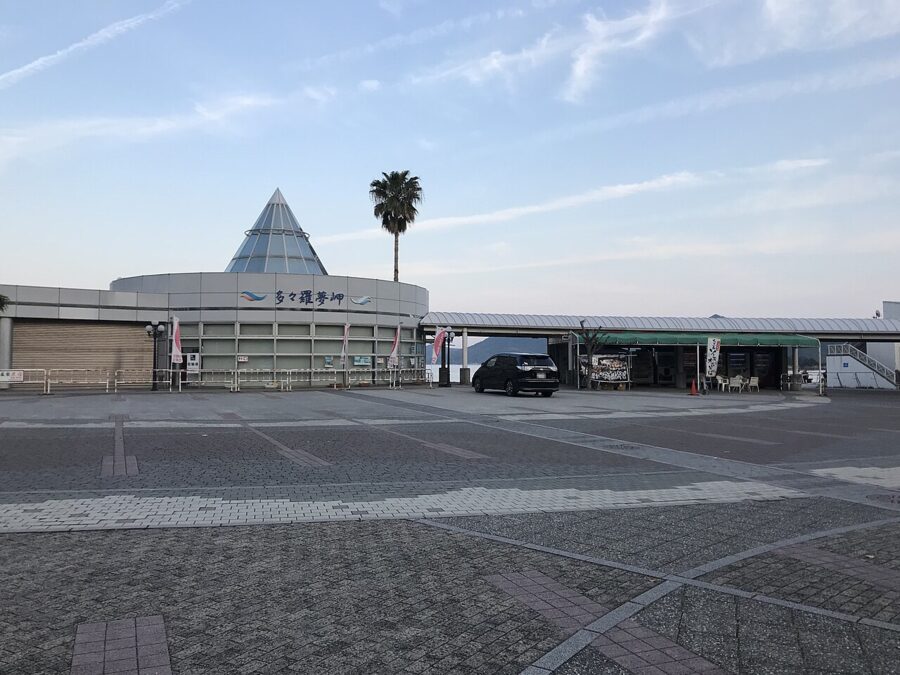
Above the town, up a flight of stone steps, is Kojoji (向上寺), whose three-storey pagoda is a National Treasure and the best view of the channel. Below, the boats to Onomichi and Mihara leave from the pier the inn faces. For the water, the temples and the last boat at once, there is no better address on the island.
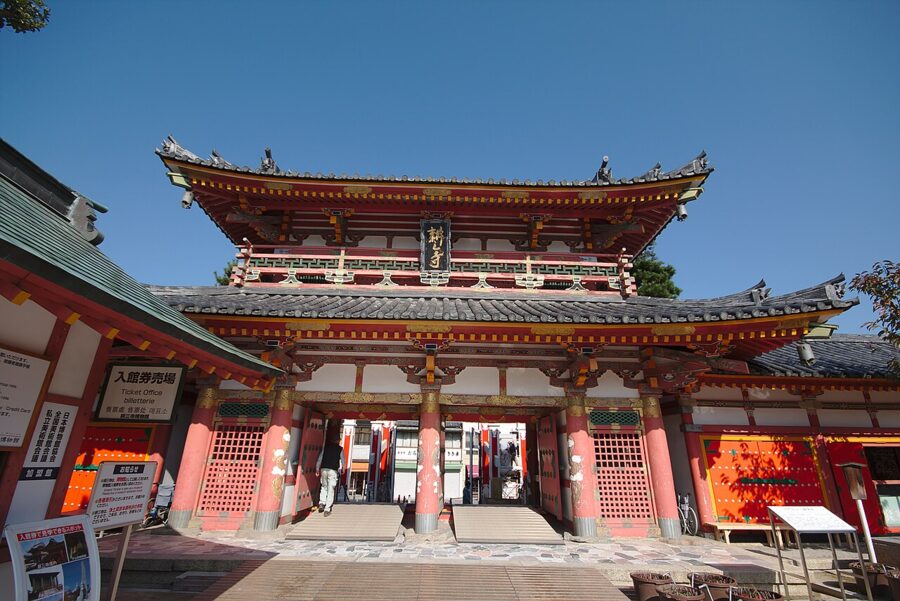
The Horiuchi house
The Horiuchi family settled in Setoda in the early 17th century and made their money from shipping and salt for close to two hundred years. In 1876 they built a new estate on the corner by the port, with master craftsmen from Kyoto and the best materials from across Japan. It served as the family’s head office and as the house where they received important guests, and it stayed one of the town’s landmark buildings long after the salt trade and the sailing ships had gone.
The inn that took it over is the first of the Azumi brand, set up in 2020 by the hotelier Adrian Zecha, who founded Aman, with Naru Developments of Kyoto. Azumi Setoda and its bathhouse across the street, yubune, both opened on 1 March 2021. Zecha lived in Tokyo as a young man, and Azumi is his version of the ryokan: smaller and more domestic than an Aman, and meant to belong to its town. The announcement of the opening gave the starting price then as about ¥65,000 (about US$435) a room with breakfast, before tax and service.
Restored, not rebuilt
The restoration was led by Shiro Miura (三浦史朗) of Rokkakuya, a Kyoto architect who works in the sukiya-zukuri tradition, the plain, natural-material style that grew out of the tea ceremony. His brief was to keep the 1876 house as close to its original design as possible; the inn says even the finest shoji paper was remade the way it had been. Wood, stone and earth plaster were treated as materials that breathe with the island’s damp, salt air rather than sealed against it.
The fences are what you notice first. Miura drew on marigaki, the fences that once enclosed sacred ground at shrines, and used tall cedar screens to divide the site into parts that feel quite different: the guest rooms, the dining room, the lounge and a garden pavilion called the azumaya, which is a tea room one day and a yoga studio the next. Nothing is sharply public or private. You move from the street through the reception into quieter and quieter spaces, and each room ends in its own garden or balcony.
The guest rooms are not in the old house. When the inn showed its interiors to the Chugoku Shimbun before opening, it was a restored merchant house with a newly built accommodation wing beside it, and the rooms are in that two-storey wing around a courtyard. The old house is the part you share: breakfast is sold as a meal “in the space of the former Horiuchi house”, and the dishes it is served on came down through the family. The garden trees go back to the Horiuchi years too.
In 2024 the inn was given one Key in the MICHELIN Guide’s first hotel selection for Japan, and its MICHELIN Guide entry still carries One Key, which the guide glosses as “a very special stay”.
The rooms
There are 22 rooms in four types, all of them twin-bedded and all with a bath of hinoki cypress. The beds are a Hollywood twin, two singles pushed together, which the inn will make up as a king on request. The floors are Fukumitsu stone, cool underfoot in summer and heated from below in winter, and there is a long sofa at the foot of the bed.
| Room | Size | Layout | Sleeps |
|---|---|---|---|
| Niwa (庭, “garden”) | 50 m² | Ground floor; a yukimi shoji (a screen whose lower half slides up) opens onto a small walled garden | 2 |
| Suzumi (涼, “cool air”) | 50 m² | Upper floor; a small balcony for cooling off after the bath | 2 |
| Sora-suzumi (空涼) | 70 m² | Two floors: twin bedroom below, tatami room with a sunken horigotatsu table above, balcony with a daybed | 3 (futon in the tatami room) |
| Niwa-suzumi (庭涼) | 70 m² | As Sora-suzumi, with a small enclosed garden off the ground-floor bedroom | 3 (futon in the tatami room) |
Garden or balcony
The two 50 m² rooms were the same price in early December 2026, so the choice is between ground and sky. In Niwa you lift the lower half of the shoji and look straight into a tiny walled garden. Suzumi has the balcony, and its name means the cool you go looking for after a long soak.
The two-storey rooms
The maisonettes are the ones to book for three, or for two people who will spend time in the room. The upstairs tatami room with its sunken table works as a sitting room by day and takes a third futon at night, and the balcony daybed is the best seat in the inn after dark. They cost more, but not much more: on 8 December, when all four types were open, the maisonettes were ¥7,562 and ¥12,100 above the garden room for two.
In the room
Each room has the cypress bath, a Bluetooth speaker, a kettle with drip coffee and tea, a minibar, a safe, robes and a haori jacket, sandals, a travel kit and Wi-Fi. Guest reviews single out the well-stocked fridge. The inn’s own list of fittings has no television, and the rooms face their gardens and the courtyard, not the sea: the sea is two minutes away, on the other side of the wall.
Children are welcome, and the inn’s rules are simple. Anyone aged six or over counts as an adult for the room limits, and one child of five or under can share a bed. A family of two adults and two school-age children is a question for the reservations team rather than a standard booking.
What it costs in 2026
Rates move with the day, the season and how full the inn is, and the plans on sale change often. These were the prices for two adults in one room, tax and service included, for stays in early December 2026, checked on 27 November 2026:
| Night | Room | Plan | Total for two |
|---|---|---|---|
| Thursday 3 December | Niwa or Suzumi | Breakfast | ¥154,276 (about US$1,030) |
| Thursday 3 December | Niwa or Suzumi | Dinner and breakfast | ¥204,188 |
| Tuesday 8 December | Niwa or Suzumi | Breakfast | ¥124,026 |
| Tuesday 8 December | Sora-suzumi | Breakfast | ¥131,588 (about US$880) |
| Tuesday 8 December | Niwa-suzumi | Breakfast | ¥136,126 (about US$910) |
Every plan on sale includes breakfast and unlimited use of the bath at yubune. Dinner is a separate plan, or a separate booking. On top of the room rate, Hiroshima Prefecture has charged an accommodation tax since 1 April 2026: ¥200 (about US$1) per person per night on any stay costing ¥6,000 or more, which at this inn means every stay. Some sellers collect it at the desk rather than in the price.
Even the cheapest of those nights is far above the opening price of 2021. The Tuesday was the cheapest of those nights, and Tuesdays and Wednesdays are the nights the dining room is closed. That is a saving if you planned to eat in town anyway, and a trap if you did not.
Booking and cancelling
Book through the inn’s own site, which runs its own reservation engine, or through the Japanese booking sites. The inn sets cancellation terms plan by plan, so read them on the plan before you pay; the inn also warns of fake messages claiming to come from the hotel, so pay only on the booking page itself. Check-in is from 16:00 to 22:00 and check-out is at 12:00, generous by Japanese standards and useful on a riding trip.
Dinner and breakfast
Breakfast is served from 07:00 to 10:00, and the inn frames it as a question: what would the Horiuchi household have eaten on a busy morning in the port 150 years ago? The answer is a Japanese breakfast built on island produce, served in the old house on the family’s tableware. It is included in every plan.
Dinner is the bigger decision. The dining room serves one course, with no à la carte, in two sittings at 17:30 and 20:00, and you are at the table for about two hours.
The inn describes the cooking as tied to no single tradition: Inland Sea fish, island vegetables and citrus, handled with whatever technique suits them, in the spirit of a port that ships from all over Japan once passed through. Its table-booking page currently lists the course as a seasonal Italian omakase built on Setouchi ingredients.
As of 2026 the course costs ¥19,965 (about US$135) a person including tax and service. From 1 November 2026 there is also a pairing of wine and sake, much of it from Hiroshima wineries and breweries, at ¥15,000 (about US$100). Children aged six to twelve get a children’s course in the meal plans. Children of five and under are not included, but the inn will add a children’s dinner at ¥4,840 (about US$32) and breakfast at ¥2,118 (about US$14) if asked four days ahead.
Non-guests, closed days and dietary needs
You do not have to stay to eat. The dinner is booked through TableCheck, for up to six people, and the form asks whether you are staying at the inn, at yubune or elsewhere nearby. Seats are limited and the inn asks everyone, guests included, to book ahead.
Dinner is not served on Tuesdays or Wednesdays. On those nights the inn’s breakfast-only plan suggests you eat on Shiomachi or on the neighbouring islands, and Setoda goes quiet early, so plan the evening before you arrive. The restaurant at SOIL Setoda by the pier is the nearest; check its own closing day before you count on it.
Tell the inn about allergies when you book. The booking form says plainly that the kitchen cannot serve vegan meals and cannot take requests for severe allergies or for several restrictions at once. A private dining room can be arranged on the day if one is free; when the inn opened there were three, alongside shared tables in the main room.
yubune, across the street
Azumi has a bath in every room, but the bath most guests remember is over the road. yubune is the inn’s sister: a public bathhouse with fourteen simpler rooms, designed by the same architect and opened on the same day. For Azumi guests the bath is free, as many times as you like, from 07:00 to 22:00, with shorter hours on Tuesdays (07:00 to 10:00 and 17:00 to 22:00).
Inside are an indoor bath with a jet, a sauna beyond a half-open courtyard, a cold plunge and jugs of infused water. The two bathhouse halls have painted tile walls by the artist Mai Miyake, one of Setoda by day (“hinagi”) and one by moonlight (“tsukinagi”), and they swap between the men’s and women’s sides on odd and even days. Instead of Mount Fuji, the usual subject in a Japanese bathhouse, the murals show the islands and the sea life around them.
Day visitors pay ¥900 (about US$6) on weekdays and ¥1,200 (about US$8) at weekends and on holidays, with special prices in Golden Week, August and the New Year, and can bathe from 10:00 to 20:00. Small one-point tattoos are fine; children still in nappies are not. Afterwards, yuagari, the lounge for staying guests, sells beer, soft drinks and snacks, and has a library on the Inland Sea and a shop of island goods.
yubune’s rooms are smaller, with showers, and it has no restaurant; Azumi has the rooms, the dinner and the house. The walk between them in a cotton robe is part of the point.
Bikes, extras and the morning ride
The inn keeps its own fleet of bikes for guests, and books its activities only for people staying. As of 2026 the rental prices, tax included, are:
- Cross bike: ¥2,150 (about US$14) for three hours, ¥2,700 (about US$18) for nine.
- A-1 bike: ¥2,700 for three hours, ¥3,250 (about US$22) for nine; the only one that fits riders over 180 cm comfortably. A kids’ size is ¥1,500 (about US$10) for nine hours.
- “Onochari” e-bike, a step-through with a basket: ¥3,500 (about US$23) for three hours, ¥4,500 (about US$30) for nine.
- “JETTER” sports e-bike, for longer rides: ¥4,500 for three hours, ¥5,500 (about US$37) for nine.
All need a rider at least 140 cm tall, the e-bike batteries last about six hours on low and middle assist, and cancelling after 17:00 the day before costs half. Numbers are limited, so book them with the room. These are the inn’s bikes, for riding from Setoda and back; to ride on to Imabari, you want a bike from the public network that can be dropped at any terminal on the route, the public side of Shimanami Kaido bike rental.
Guided rides and the rest
The inn’s beginners’ guided ride to the Tatara Bridge leaves at 09:00 or 13:30, takes two and a half hours, climbs through the lemon groves known as Lemon Valley, crosses the bridge to Tatara Shimanami Park on Omishima and comes back. It costs ¥9,900 (about US$66) for one rider or ¥6,900 (about US$46) each for two to four, plus ¥1,650 (about US$11) for an e-bike, with the bike, helmet, guide and drinks included; book by 17:00 two days before. Longer guided rides go on to Oyamazumi Shrine, a 28 km (17 mile) round trip the inn says is for fit riders, or start from Onomichi and ride to the inn.
Off the bike, the list runs from lemon picking (October to early April) to sunset cruises, kayaking and a one-hour history walk round Setoda with a member of staff (¥3,000, about US$20, alone, or ¥2,500 each for two or more). The one that suits this house best is the morning zazen at Kojoji, seven minutes’ walk and a flight of steps above the inn: from 07:00, for about an hour, with the temple’s priest, from November to June only. It costs ¥4,800 (about US$32) alone, ¥3,800 each for two and ¥3,300 each for three or more.
The ride the next day
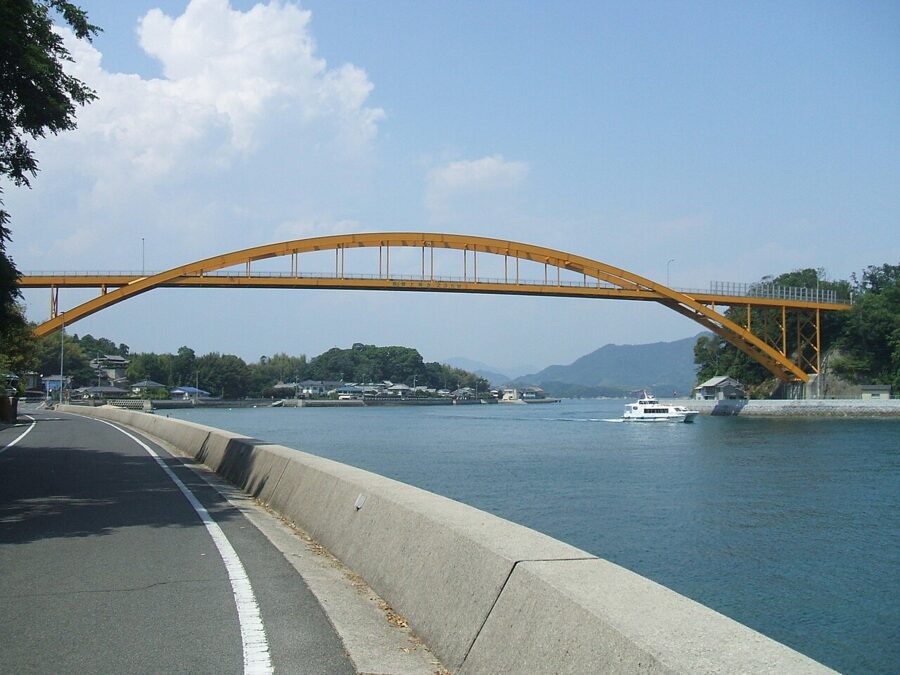
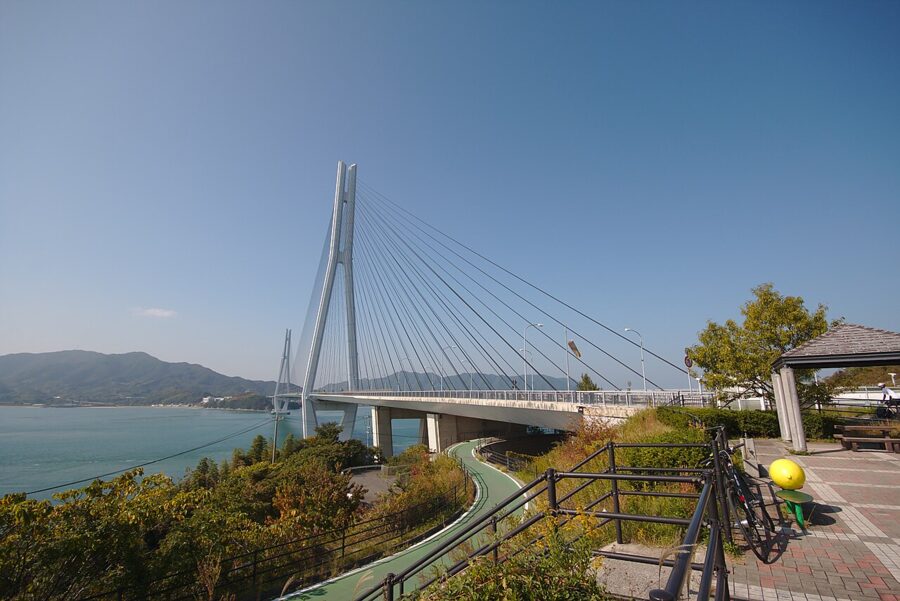
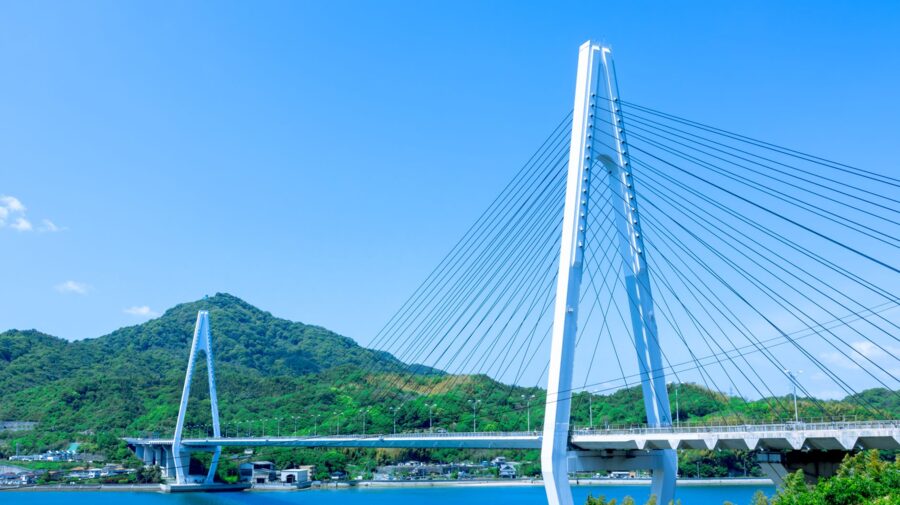
For riders, the case for a night here is the morning. From Setoda the cycling route runs south down the island’s west coast to the Tatara Bridge, Japan’s longest cable-stayed bridge, and Tatara Shimanami Park on the far side is about 8.5 km (5 miles) from the pier. From Setoda it is about 40 km in all to Imabari over Omishima, Hakatajima and Oshima (大島, Imabari): a comfortable day with a 09:00 start, and a rushed one from Onomichi in a single go.
Two things make the morning easier. The inn opens breakfast at 07:00 and lets you check out at noon, so you can ride light and come back for your bags if you are doing a loop. If you are riding through, Sagawa’s hands-free cycling service lists Azumi Setoda among its partner hotels, so a bag can go ahead of you to your next bed, one of several bag services in Shimanami Kaido luggage and ferries. Riders arriving on their own bikes should ask when they book where the bike will spend the night.
Who it suits, and the value against the other beds
Azumi Setoda is for one special night, not for a cheap base. It suits couples and pairs of riders who want the house, the dinner and the bath, people who will spend time looking at timber and plaster, and anyone breaking a two-day ride who wants the second morning to start near the Tatara climb. Families of three fit the maisonettes.
It suits less well if you need a sea view from the room, eat vegan, arrive on a Tuesday or Wednesday expecting dinner, want a hot spring (the bath across the street is a heated public bath, not an onsen), or travel as two adults with two children.
The other beds nearby
Across the street, yubune’s own rooms were selling from under ¥40,000 (about US$265) for two, room only, on Japanese booking sites in late November 2026, and one of its plans includes Azumi’s breakfast in the Horiuchi house. Since Azumi’s dinner is open to non-guests, a night at yubune with dinner booked at Azumi gets you most of the food and all of the bath for well under half the price; you give up the cypress bath, the garden and the size of the room. By the pier, SOIL Setoda has hotel rooms, bunk rooms and a locked bike store. Setoda has more choice than anywhere else in where to stay on the Shimanami Kaido, from minshuku up.
It is a different thing from Onomichi U2 at the start of the ride: U2 is a cycling hotel in a converted harbour warehouse, built around bikes; Azumi is a ryokan that happens to be on the cycling route. Across the Tatara Bridge, WAKKA at Inokuchi suits riders who want the bike looked after more than the room. My view: pay for Azumi when you will be there by 16:00, have a dinner night, and want the evening as much as the ride. Otherwise stay at yubune and book the dinner.
Getting there and checking in
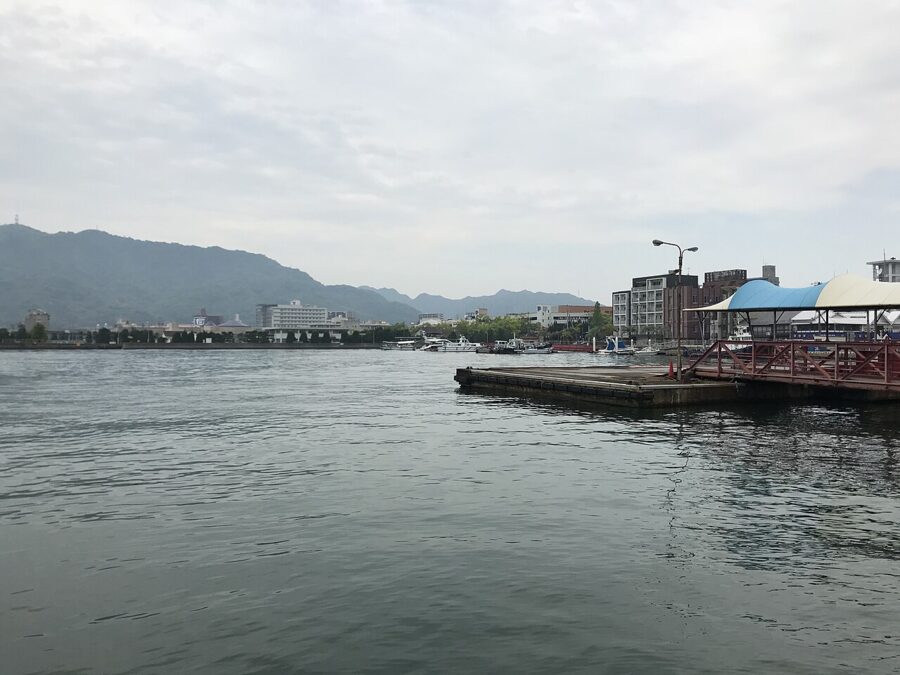
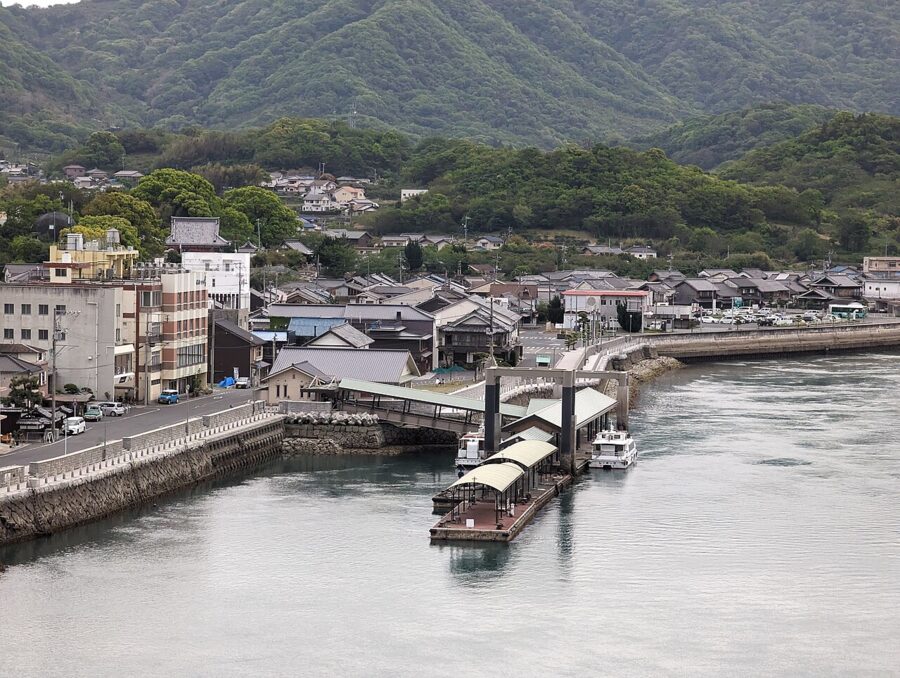
By boat, Setoda port is the easy way in. Setouchi Cruising’s boats from the pier beside JR Onomichi Station take about 45 minutes, and the last leaves Setoda for Onomichi at 17:00; boats to and from Mihara, a Shinkansen stop, take about half an hour and run until 20:10 from Setoda, some from Sawa, the second pier just north of the town, so check which one yours uses. The inn is two minutes’ walk from the main pier. Onomichi and Mihara are both on the railway, so the boats tie straight into getting to the Shimanami Kaido.
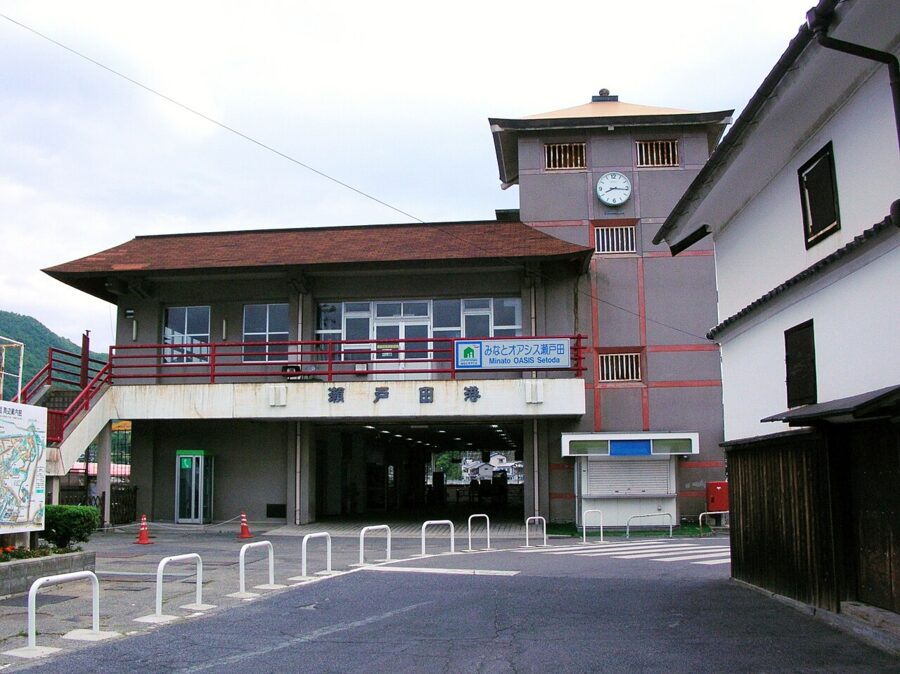
By bike from Onomichi, the cycling route crosses Mukaishima and Innoshima, comes onto Ikuchijima over the Ikuchi Bridge and follows the north coast into Setoda, about 30 km in all. On the cycling route the only real climbs are the bridge ramps. Arrive with a public rental bike and you can hand it in at the Setoda Tourist Information terminal at the Kosanji end of the street, which closes at 17:00, or keep a multi-day bike overnight and ride it on.
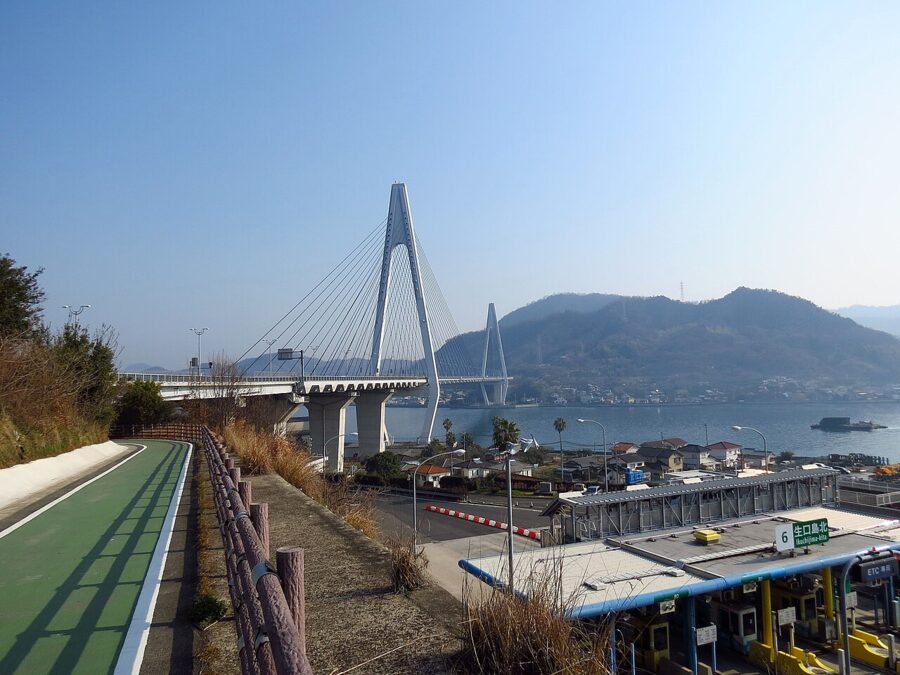
By car, the inn’s access page sends you off the expressway at Ikuchijima-kita from the Onomichi side (turn left) or Ikuchijima-minami from the Imabari side (turn right), about 40 and 50 minutes respectively from each end. Head for the “Setoda-ko-mae” traffic lights on Route 81 rather than driving up narrow Shiomachi, turn at the pine and the stone lantern, drop your bags at the entrance and move the car to the inn’s car park, which is free. For travellers without a car, the inn arranges a hired car from Hiroshima Airport, about 67 km (42 miles) and 70 minutes away, from ¥44,400 (about US$300) one way, or from Fukuyama Station, about an hour, from ¥29,400 (about US$195).
So the choice on the pier at five to five comes down to the day of the week. On a dinner night, let the 17:00 boat go, walk two minutes up Shiomachi, take the first bath across the street and the Tatara Bridge after breakfast.