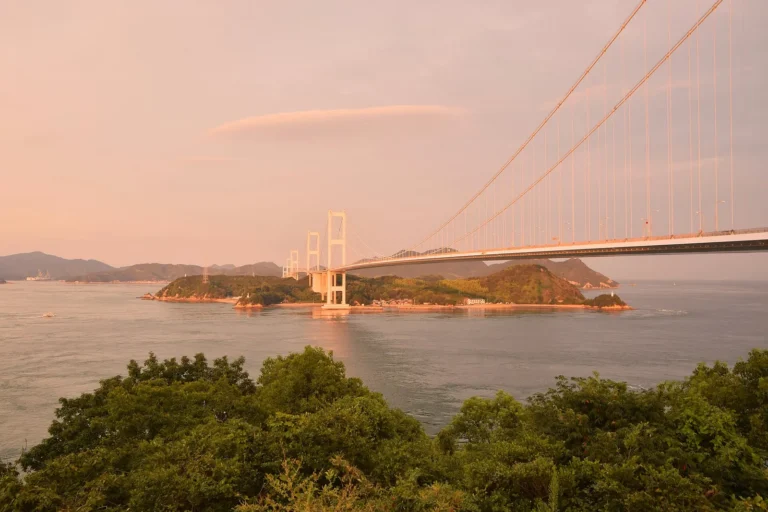
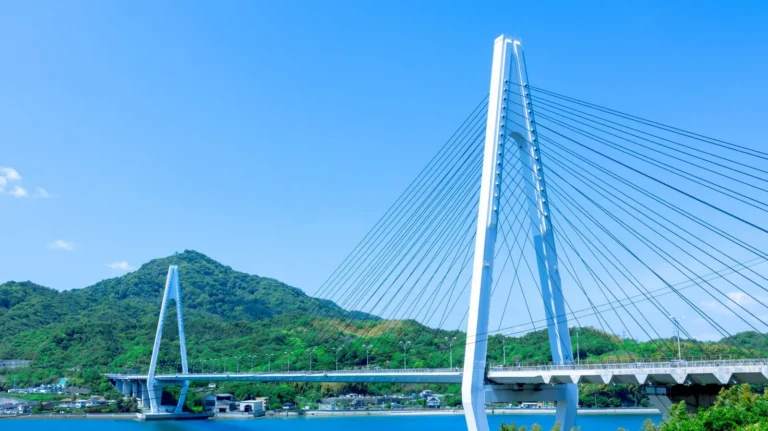
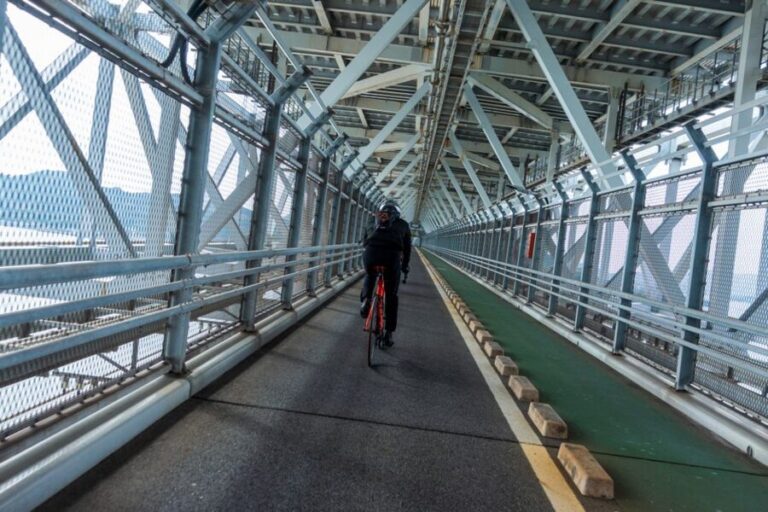
Most Shimanami Kaido plans that fall apart were built around kilometres. The ones that work are built around a handful of clocks. The rental terminals on the islands take bikes back until 17:00, the ones at Onomichi and Imabari stations until 19:00 (18:00 from December to February), the last boat from Setoda back to Onomichi leaves at 17:00, and the bus that carries you home across the bridges runs on reserved seats.
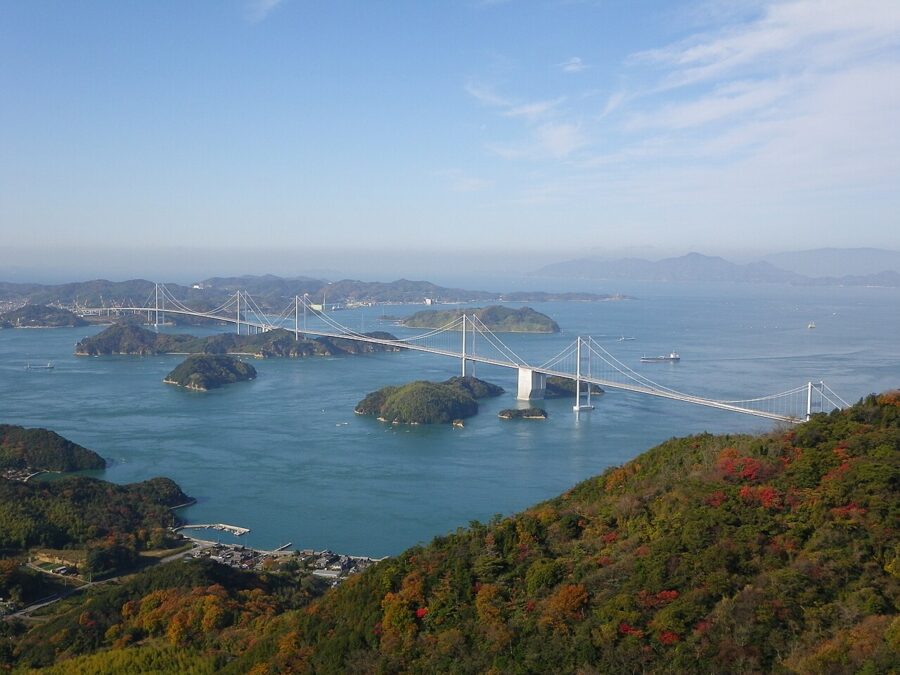
The riding itself is rarely the problem. The cycling route from Onomichi to Imabari is about 70 km (43 miles), with a climb onto every bridge and one real pass on Oshima, and Shimanami Japan, which runs the public rental bikes, gives it anything from four to ten hours depending on who is pedalling. What decides the number of days is how long you want to spend off the bike: at Kosanji in Setoda, at Oyamazumi Shrine on the far side of Omishima, or at the top of Kirosan looking down on the Kurushima Strait.
My answer, for most people: two days, with the night on Ikuchijima. One day works on an e-bike, or for someone who rides 70 km at home without planning it. Three days is for people who came for the islands more than the bridges.
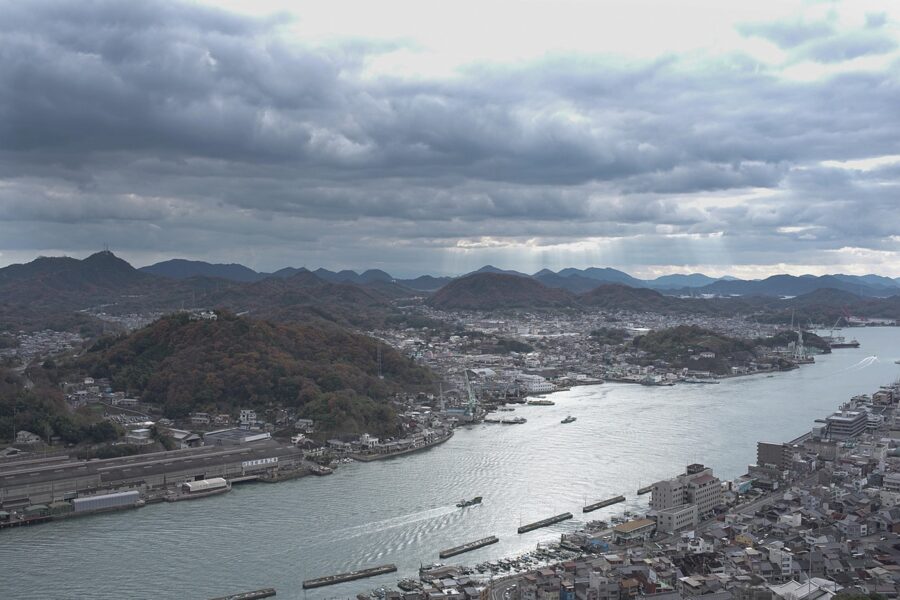
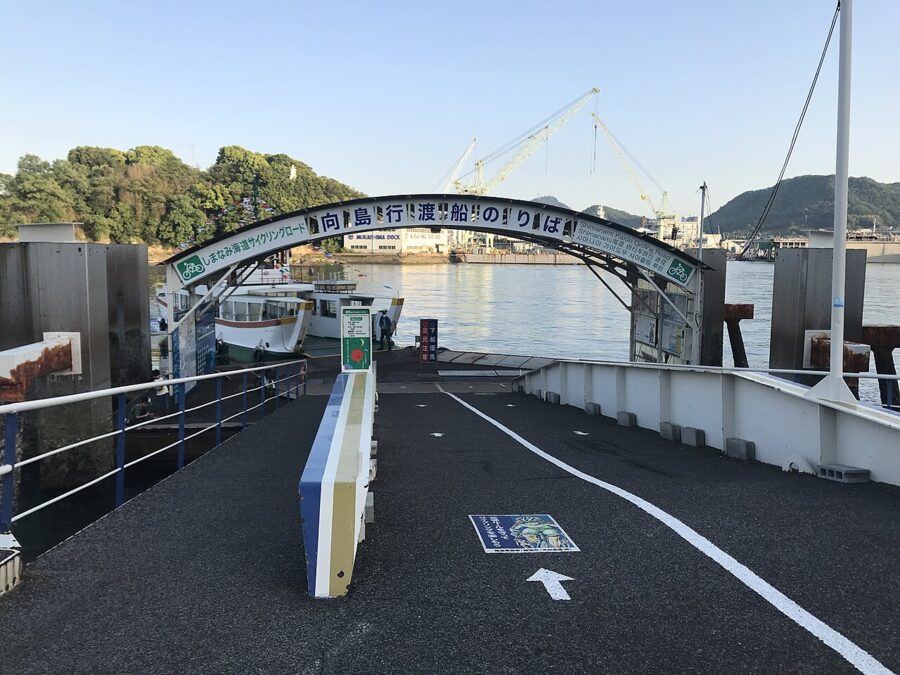
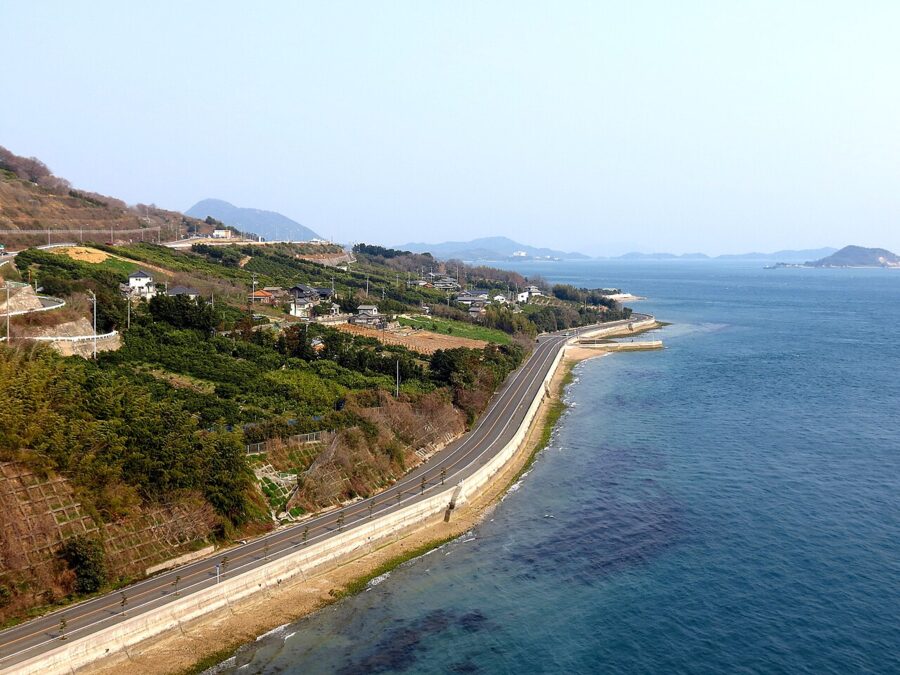
How many days the Shimanami Kaido takes
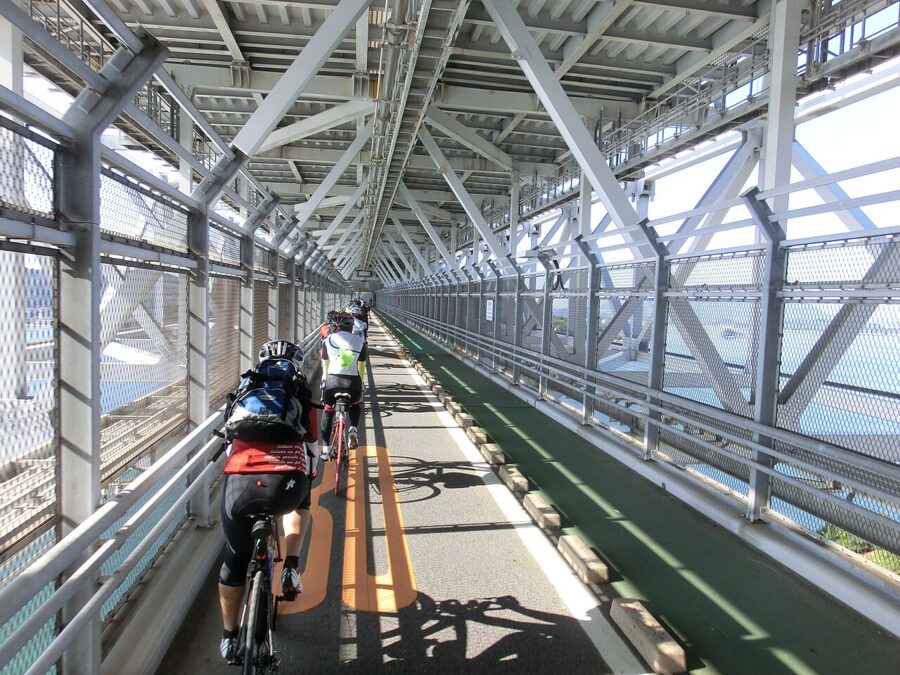
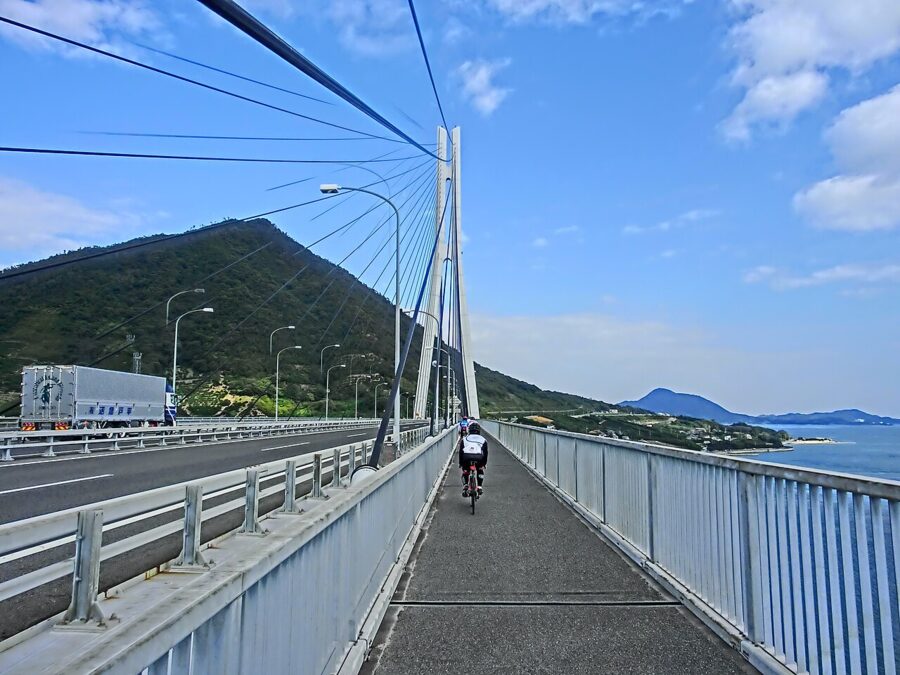
The Shimanami Kaido is an expressway with a cycle path hung on each of its bridges, and the islands between them are linked by ordinary roads marked with a painted blue line. Shimanami Japan’s official model courses put the full ride from Onomichi to Imabari at about 70 km and four to ten hours, and call it the advanced course. The gap between four and ten is the whole question.
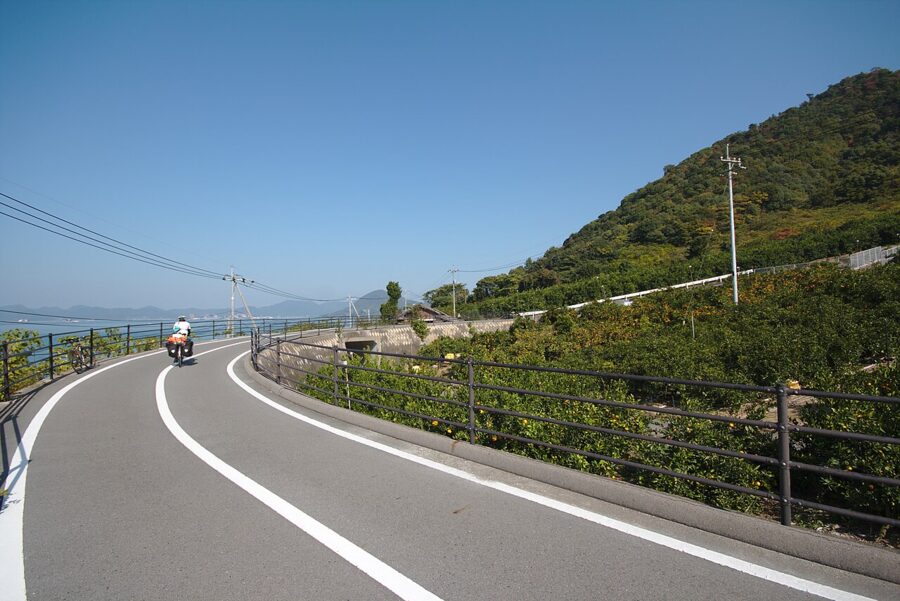
Fitness matters less than people fear. The bridge ramps are long and gentle, built for loaded rental bikes, and none of the route goes much above 100 m. What tires riders out is the number of ramps (six bridges, each with its own climb and descent) and the Miyakubo pass on Oshima, about 1.3 km of climbing to roughly 70 m with stretches steeper than 5 percent. The bike matters more.
| Rider and bike | Days I would plan | Why |
|---|---|---|
| Regular cyclist on a road bike (own or rented) | One | 70 km plus stops fits in daylight from March to November |
| Occasional rider on a rental e-bike | One | The motor flattens the ramps; the e-bike must go back the same day anyway |
| Occasional rider on a cross bike or city bike | Two | About 35 km a day leaves time for Setoda and a long lunch |
| Family, or anyone who has not ridden in years | Two, or partial rides | Take an electric-assist bike and split the route at Setoda |
| Anyone who wants the shrine, the museums and Kirosan | Three | The best stops are off the main route and each costs an hour or more |
The bike types come with rules that shape the plan. At the public rental terminals (as of 2026) a cross bike or city bike is ¥3,000 (about US$20) a day and can be kept for several days; an electric-assist bike is ¥4,000 (about US$27) and can also be kept overnight; the e-bike, a sportier electric bike, is ¥8,000 (about US$53), is rented only at Onomichi Station, Imabari Itoyama and Imabari Station, and has to be returned on the day. Every one except the tandem can be handed back at any terminal at no extra charge, according to the rental fee table; Giant and the smaller shops set their own rules for Shimanami Kaido bike rental.
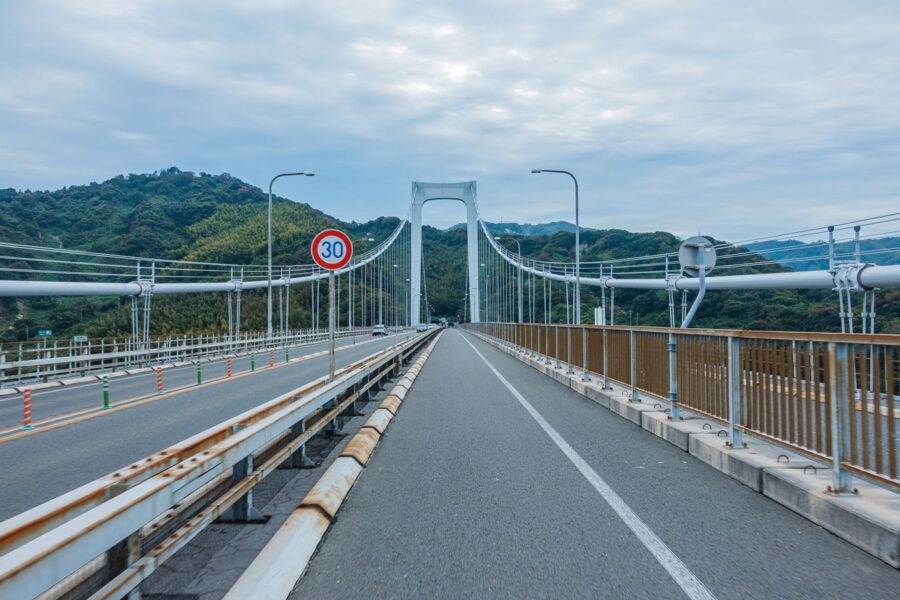
The clocks that set every plan
These are the times I would write on the back of my hand.
| What | Time (as of 2026) |
|---|---|
| Rental terminals at Onomichi Station, Imabari Itoyama and Imabari Station | 08:00–19:00 March to November; 08:00–18:00 December to February |
| Island terminals (Mukaishima, Innoshima, the two on Ikuchijima, Tatara on Omishima, Hakatajima, Oshima) | 09:00–17:00 |
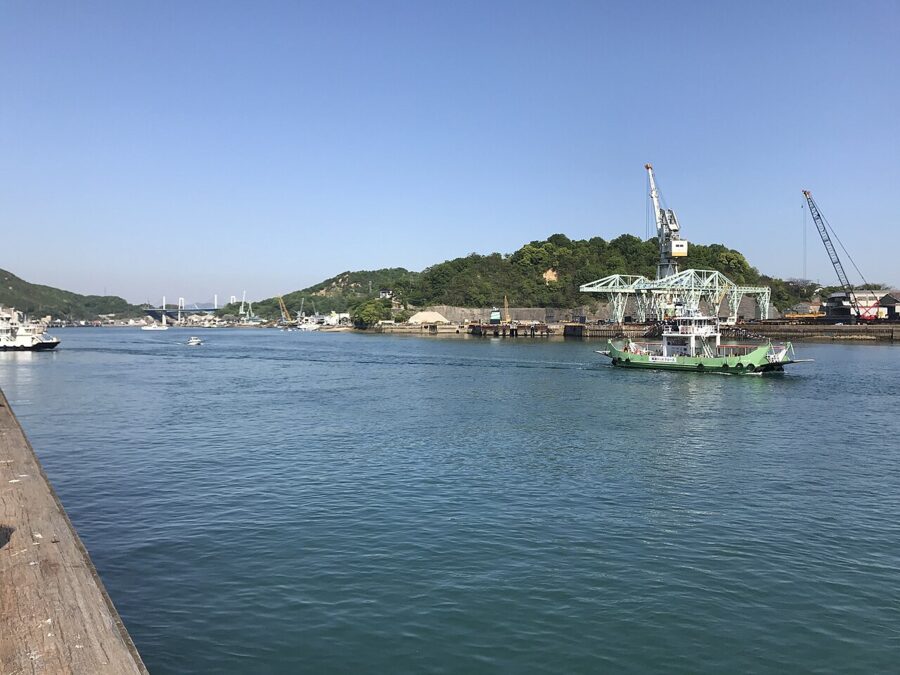
| Ekimae ferry, Onomichi to Mukaishima | First 06:06, last 22:10, roughly every 12 minutes |
| Last boat Setoda to Onomichi | 17:00, arriving 17:45 |
| Last bus connection Imabari Station to Onomichi Station | 19:30 highway bus to Innoshima Ohashi, then the 20:53 local bus, arriving 21:18 |
The island terminals are the trap. If you plan to hand a bike back at Setoda or at the Tatara roadside station on Omishima, you need to be there by 17:00, not by dusk. The terminal list gives the hours for all ten.
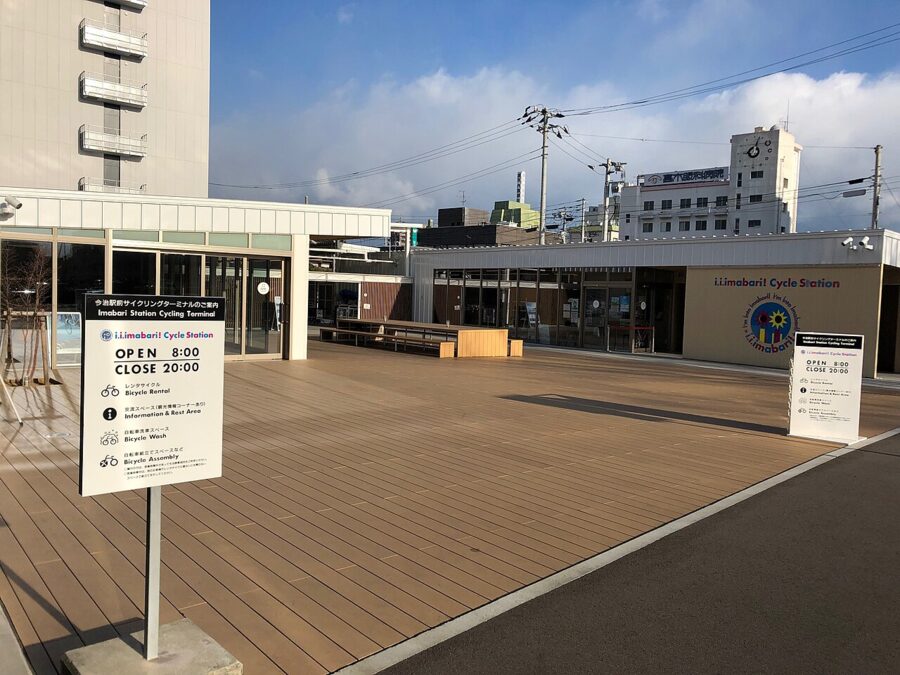
One day: Onomichi to Imabari
A one-day ride is a schedule, not a tour. You see the bridges, you stop for coffee and lunch, and you look at Setoda and Oyamazumi from the saddle. That is still a fine day, and on an e-bike or a road bike it is the version I would choose if time is short.
Which end to start from is less important than people make it. Riders who live on the route often suggest starting in Imabari, for the usual wind and because the long climb onto the Kurushima-Kaikyo Bridge comes while your legs are fresh. Starting in Onomichi is simpler for most visitors, because the rental terminal is inside the station building and the bus connections home work better. The plan below runs from Onomichi.
| Time | Where | Notes |
|---|---|---|
| 08:00 | Onomichi Station terminal | Opens at 08:00; book the bike ahead |
| 08:20 | Ekimae ferry to Mukaishima | A few minutes across; cash on board |
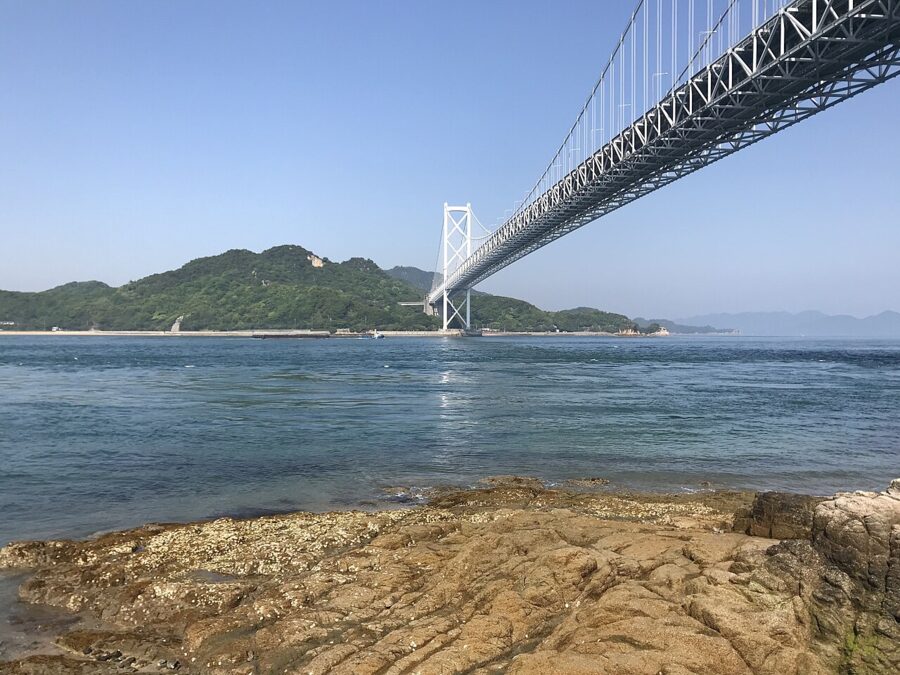
| 09:30 | Innoshima Bridge | The cycle deck runs underneath the expressway |
| 10:15 | Ikuchi Bridge | The strait below is only about 500 m wide |
| 11:00 | Setoda | Coffee or an early lunch; Kosanji will have to wait |
| 12:15 | Tatara Bridge and Tatara Shimanami Park | The prefectural border is painted on the bridge deck |
| 13:00 | Hakatajima | Lunch near Hakata SC Park, by the beach |
| 14:30 | Miyakubo pass, Oshima | The main climb of the day; walking it is normal |
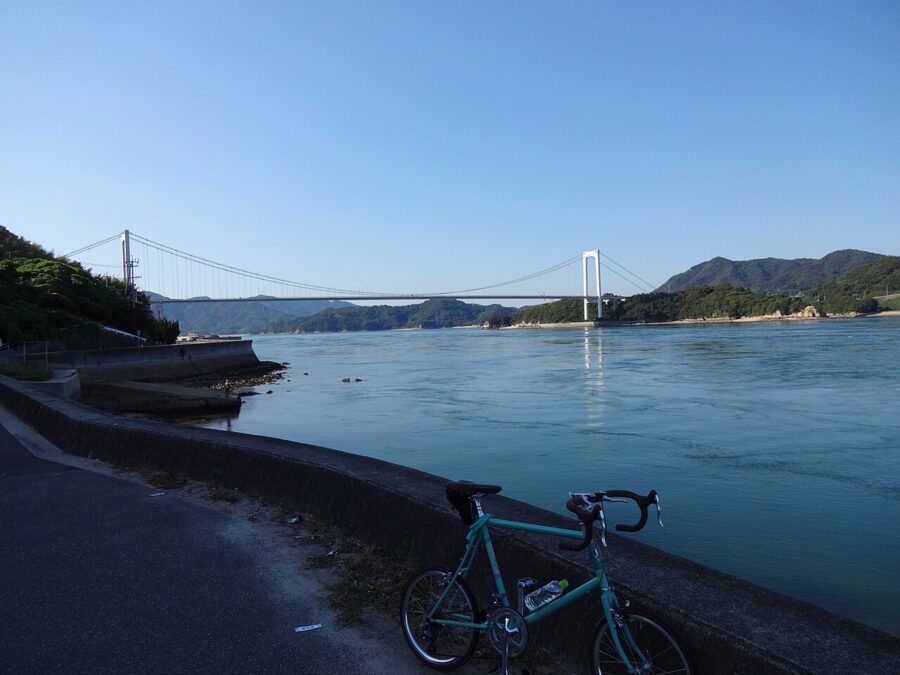
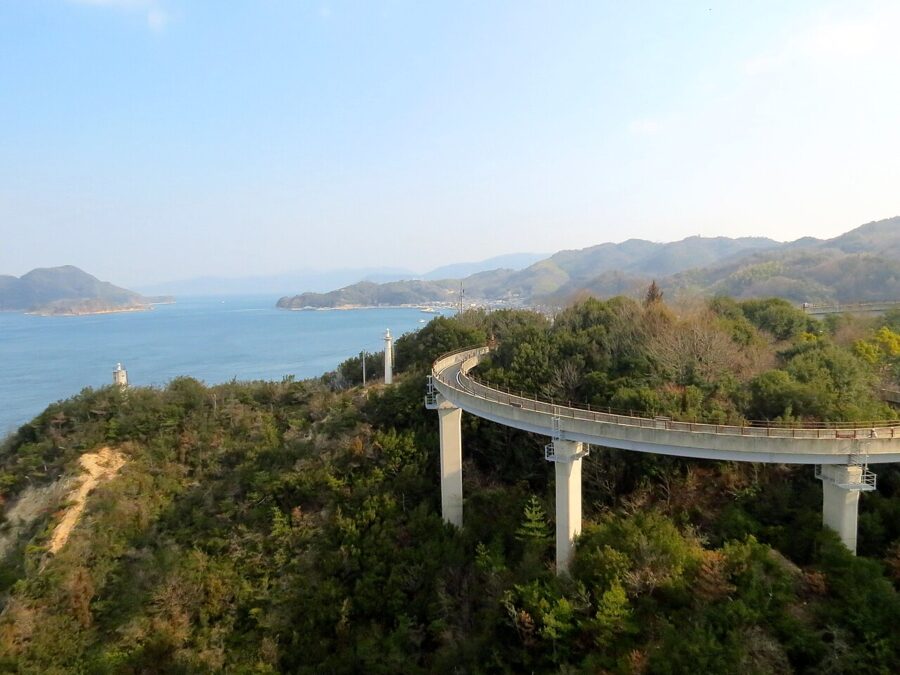
| 16:00 | Kurushima-Kaikyo Bridge | About 4 km on the deck, then the spiral down to Itoyama |
| 17:00 | Imabari Station terminal | About 6 km of town roads from the bridge |
| 17:30 | Highway bus from Imabari Station | Change at Innoshima Ohashi for Onomichi |
Those times assume a cross bike or e-assist bike, short stops and no wrong turns. On a road bike you will gain an hour; on a city bike with a headwind you will lose one, and in midwinter, with the Imabari terminal closing at 18:00 and the light going around 17:00, you have no slack at all.
Getting back to Onomichi
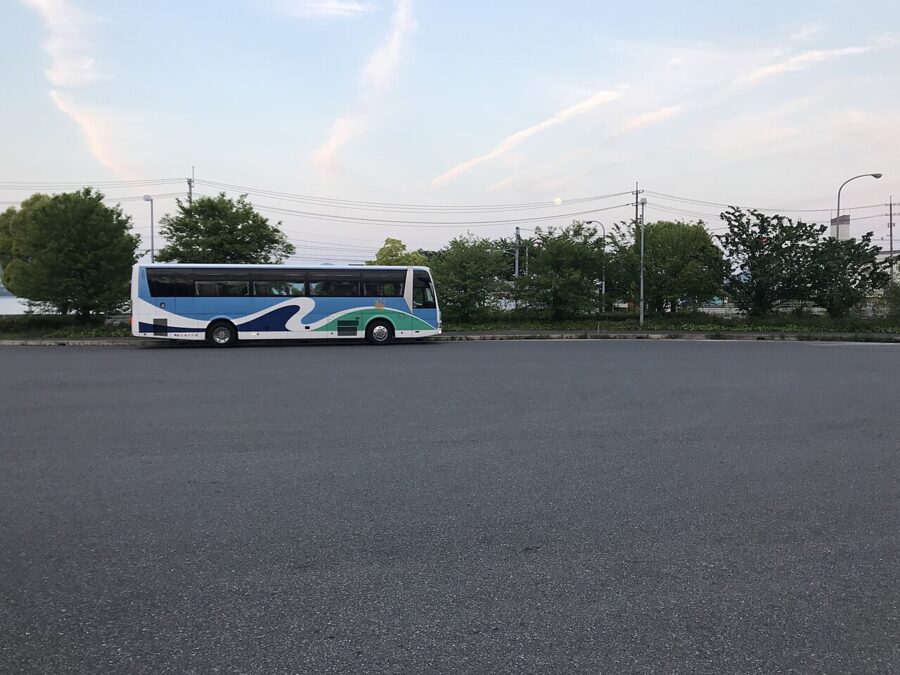
Rental bikes cannot go on the buses, so a one-way day ends with the bike handed in at Imabari. The Shimanami Liner highway bus from Imabari Station does not call at Onomichi Station; it runs over the bridges to Mukaishima and on to Fukuyama. The usual trick is to get off at the Innoshima Ohashi stop, by the Innoshima Bridge, and change to the local bus for Onomichi Station.
Every seat on the Shimanami Liner is reserved, and bookings open a month ahead at 05:00, according to Setouchi Bus’s route page. Imabari Station to Innoshima Ohashi was ¥1,800 (about US$12) as of October 2026. On the October 2026 timetable the 17:30 from Imabari Station reaches Innoshima Ohashi at 18:21, and on the Innoshima Ohashi connection table the 18:40 local bus reaches Onomichi Station at 19:08. Check both before you ride, since the highway timetable changed on 1 October 2026 and the connection table dates from April.
If you are heading on into Shikoku instead, end the day in Imabari and take the train onward the next morning. The trains on from Imabari are the same ones riders use for getting to the Shimanami Kaido.
Two days: where to spend the night
Two days turns the ride into two half-days of about 35 km each, with an afternoon and an evening on an island. The night goes on one of two islands, and the choice is mostly about what you want on your doorstep.
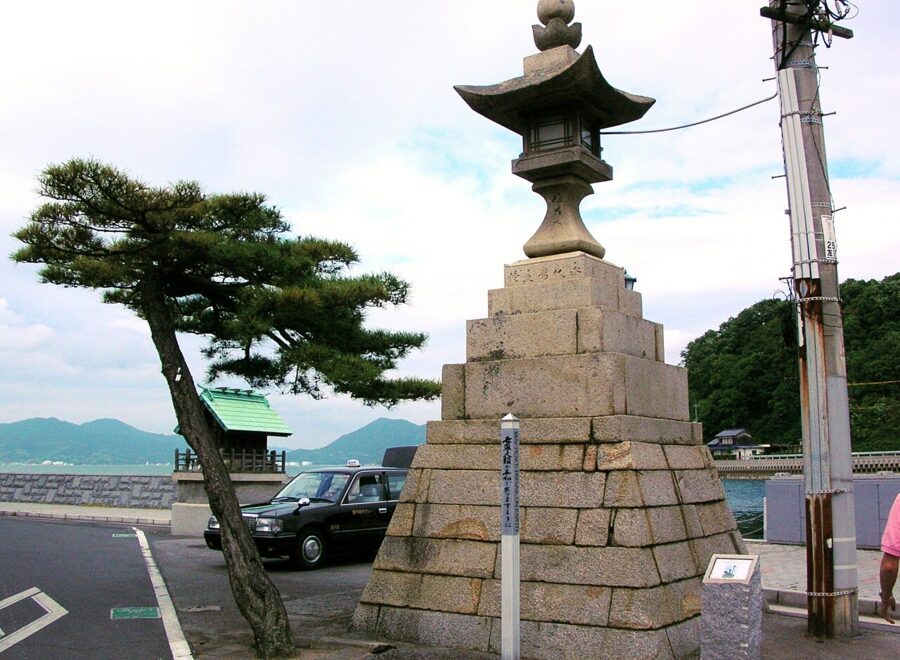
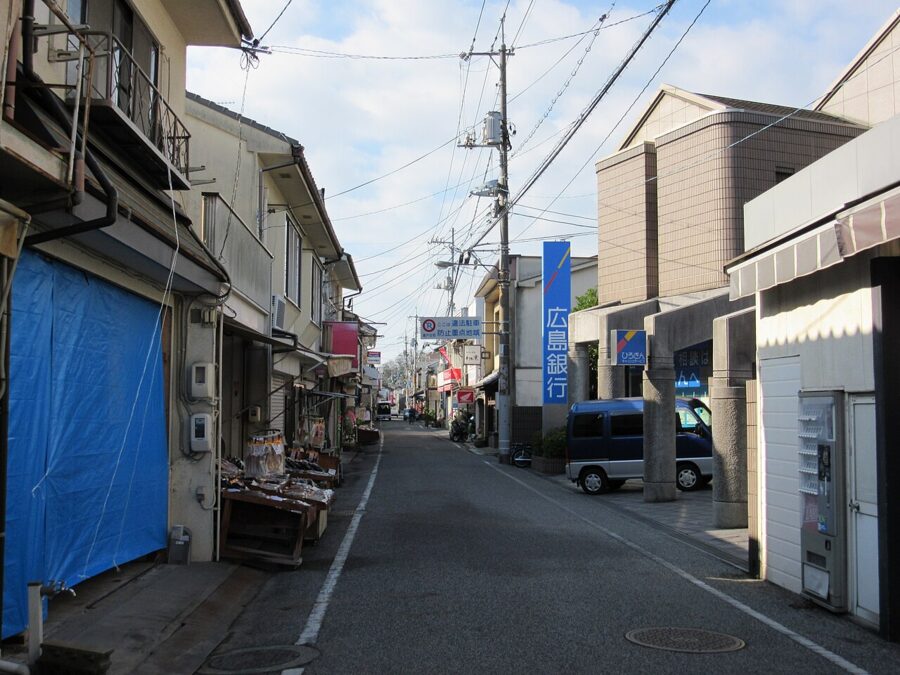
Setoda, on Ikuchijima, is my pick for a first ride. It is about 30 km from Onomichi, so the first day ends at lunchtime, and the town has the most to do of any stop on the route: Kosanji temple and its marble garden, the Hirayama Ikuo Museum of Art, the Shiomachi shopping street and the waterfront. It also has the most beds, from guesthouses to newer places such as SOIL Setoda by the harbour, and boats to Onomichi if the weather turns.
Omishima suits a second ride, or a rider who wants the two days even. It is the biggest island on the route and close to its middle. The catch is geography: the main route only clips the island’s south-east corner near the Tatara Bridge, while Oyamazumi Shrine and the old town of Miyaura are on the west side, over the hills. Stay near the shrine and you have a quiet evening and a detour on both days; check before booking that your stay serves dinner or has somewhere open nearby.
Day one: Onomichi to Setoda
Collect the bike in Onomichi at 08:00 or a little later, cross on the Ekimae ferry and ride Mukaishima, the Innoshima Bridge, Innoshima and the Ikuchi Bridge. Shimanami Japan’s own intermediate course covers this stretch and allows three to four hours with stops, which puts you in Setoda for lunch.
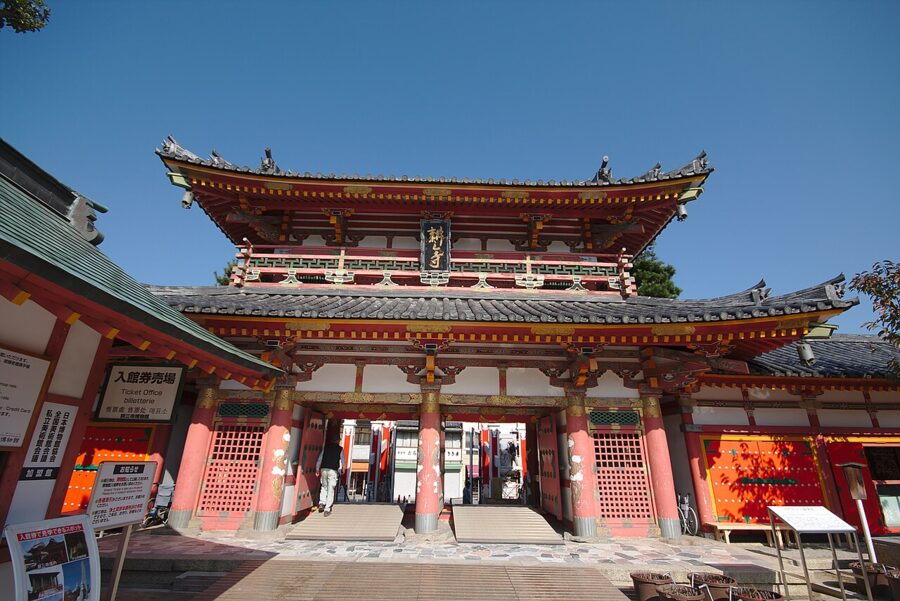
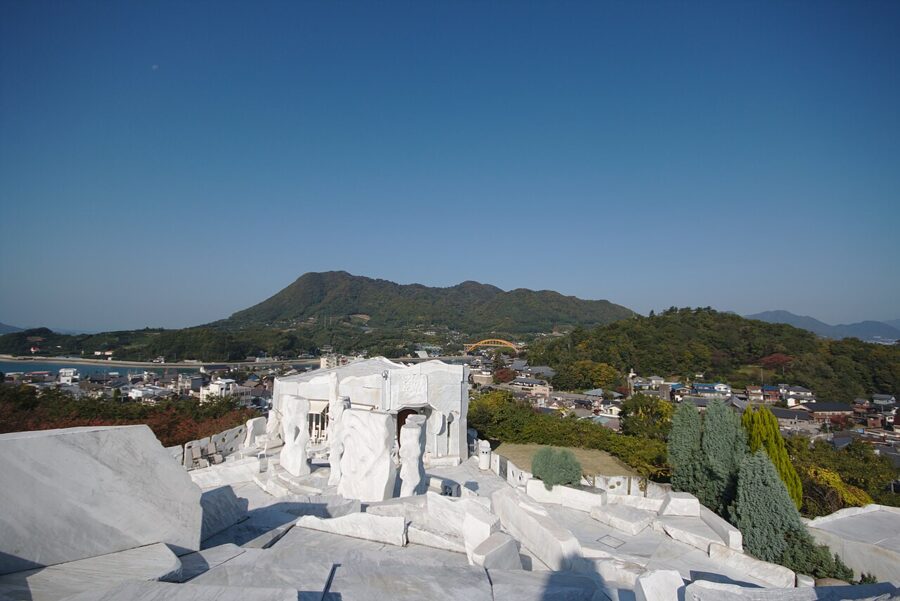
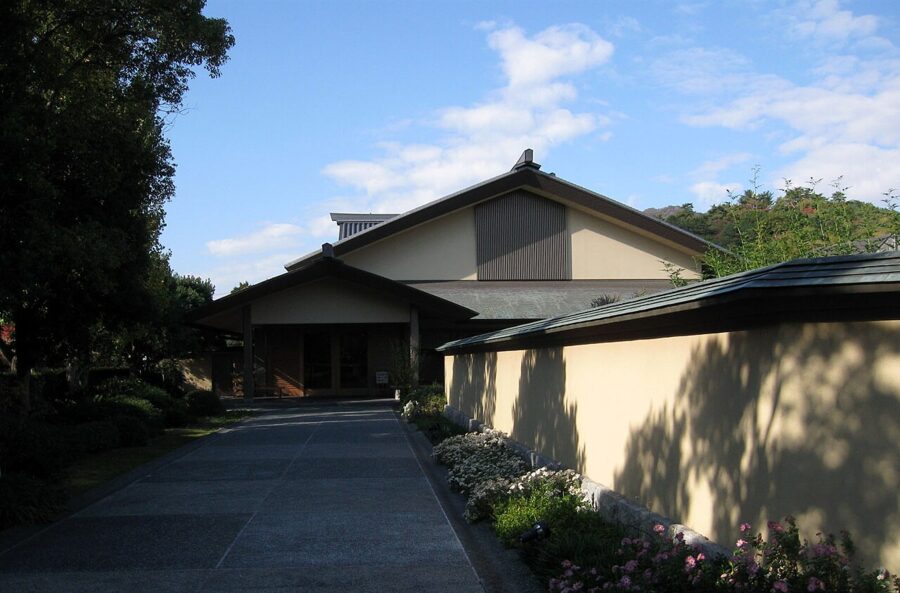
The afternoon is for the town. Kosanji is open 09:00–17:00 every day, with last entry at 16:30, and costs ¥1,800 as of 2026; give it at least an hour and a half, because the white marble garden at the top, Miraishin no Oka, is the part most people remember. The Hirayama Ikuo Museum of Art next door keeps the same hours, last entry 16:30, and is open almost every day; it closes on 8 December 2026 for an exhibition change.
Day two: Setoda to Imabari
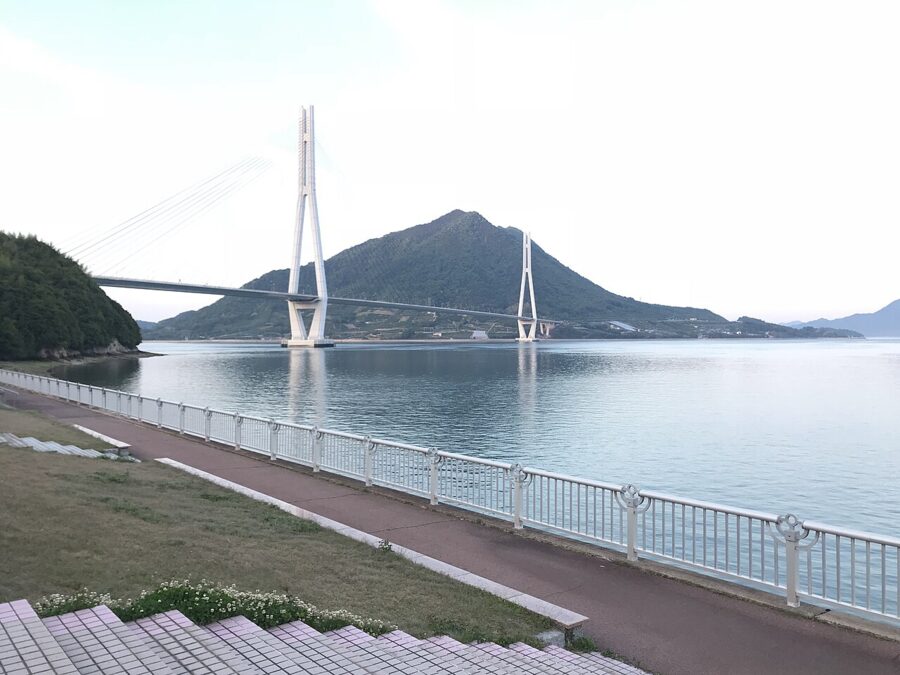
From Setoda the route follows Ikuchijima’s west coast past Sunset Beach to the Tatara Bridge. The official beginner course from Setoda to the cyclists’ monument at Tatara is about 9 km and an hour, and it is the prettiest flat stretch of the whole ride. After that come Omishima’s south-east corner, the Omishima Bridge, Hakatajima, the Hakata-Oshima Bridge, Oshima and the Kurushima-Kaikyo Bridge into Imabari: about 40 km.
Leave Setoda by 09:00 and you can be in Imabari by mid-afternoon with stops. Add Oyamazumi Shrine and you need a couple of extra hours or more for the ride over to Miyaura and back, which is why I would rather give the shrine its own day.
Three days or more: the island loops
With three days the main route becomes a spine and the best of the islands are side trips off it. The version I would ride spends a night in Setoda and a night on Omishima, and leaves Oshima for a long final morning.
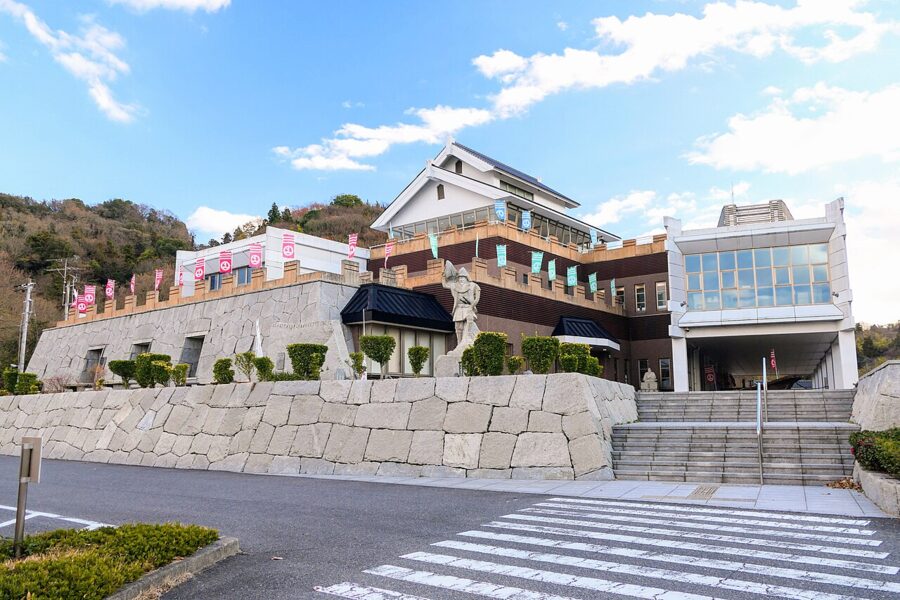
Day one, Onomichi to Setoda, with Innoshima. Leave the blue line near the Innoshima-kita interchange for the Innoshima Suigun Castle, a modern castle-style museum of the Murakami sea pirates a short detour from the route, then ride on to Setoda for the afternoon described above.
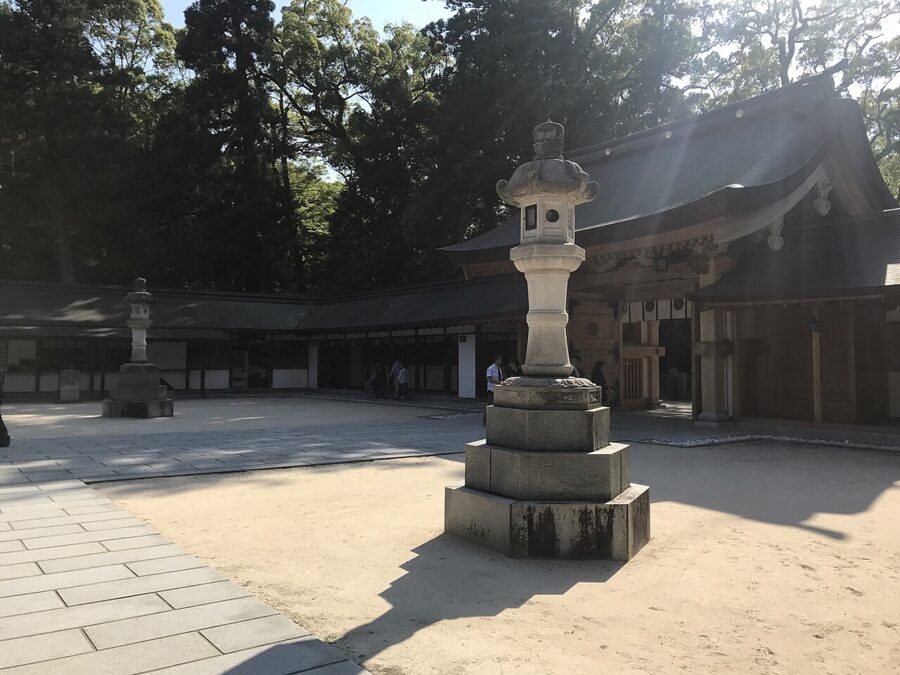
Day two, Setoda to Omishima’s west side. Ride to the Tatara Bridge in the morning, then leave the main route and cross Omishima to Miyaura for Oyamazumi Shrine. The island is big, almost 50 km around the coast, so do not try to loop it; ride across to the shrine and stay the night nearby. The shrine’s treasure hall publishes its own hours on the shrine’s notice page; check them before you go, since they have changed in recent years.
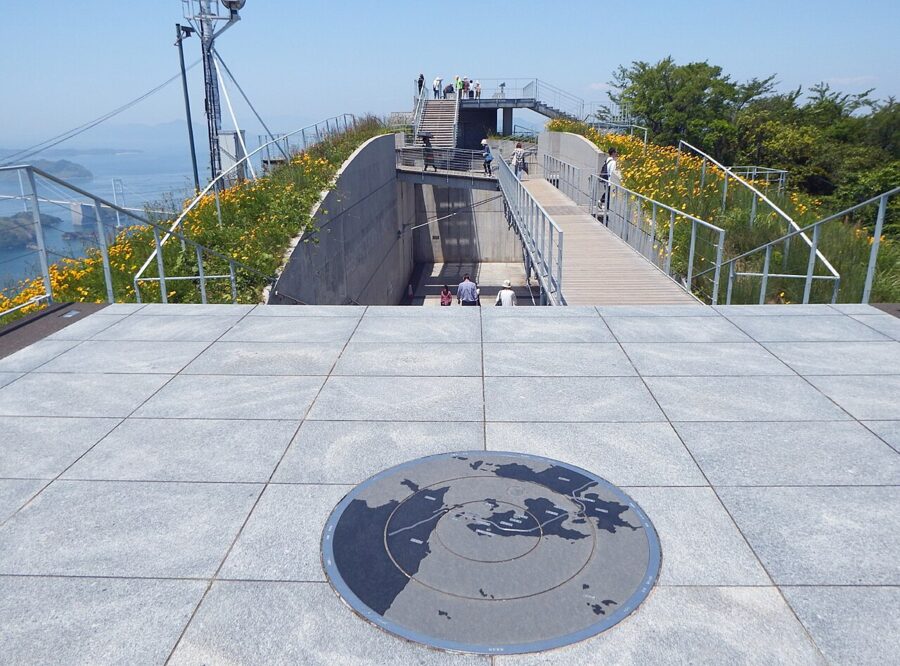
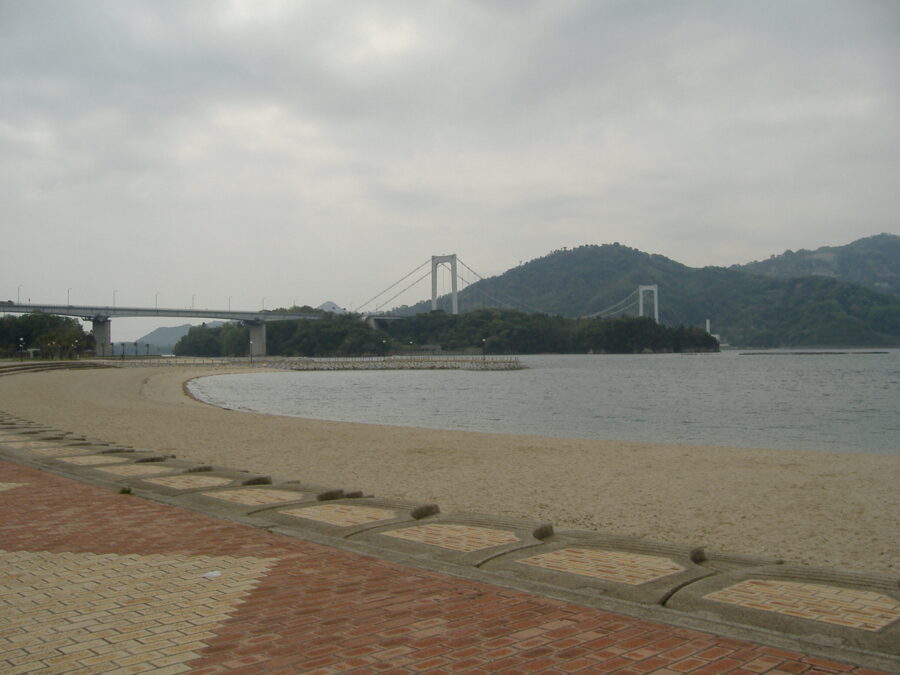
Day three, Omishima to Imabari via Kirosan. Back to the main route, over to Hakatajima and the beach by the Hakata SC Park roadside station, then Oshima. On Oshima, take the detour to the Murakami Kaizoku Museum in Miyakubo (09:00–17:00, last entry 16:30, closed Mondays; ¥310, about US$2, for the permanent exhibition as of April 2026) and save your legs for Kirosan. The Kirosan observatory, designed by Kengo Kuma, is free and open at all hours, and the road up from the main route is steep enough that plenty of rental riders push.
Half-days and partial rides
You do not have to ride the whole thing to have ridden the Shimanami Kaido. Three short versions use the same rental system and give the best parts in a morning or an afternoon.
Onomichi to Setoda, then the boat back. This is Shimanami Japan’s intermediate course: about 30 km (19 miles), three to four hours. The boat from Setoda to Onomichi runs at 07:50, 10:00, 11:25, 13:25, 15:00 and 17:00 on Setouchi Cruising’s timetable, taking about 45 minutes, for ¥1,500 (about US$10) plus ¥500 (about US$3) for a bike, as of 2026. You can take the rental bike back on the boat, or hand it in at the Setoda tourist office terminal by 17:00 at no extra charge.
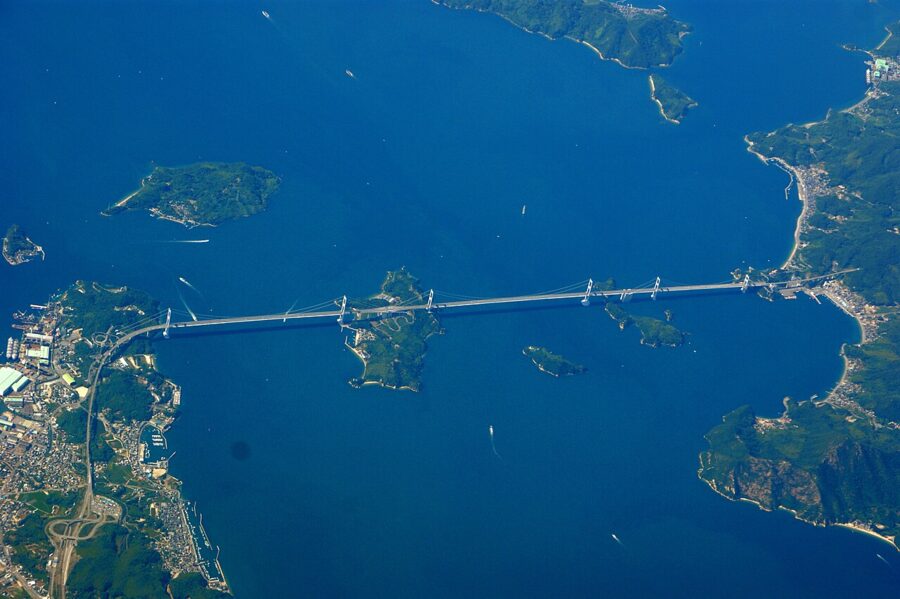
Imabari and Oshima. The official beginner course from Imabari crosses the Kurushima-Kaikyo Bridge to Oshima and back: about 13 km (8 miles) and an hour and a half. It is the best bridge on the route and needs no bus or boat.
Setoda to Tatara. About 9 km (6 miles) and an hour along the coast to the cyclists’ monument, with the Tatara Bridge in view the whole way. Return the bike at the Tatara terminal and take the highway bus back from Omishima BS to Setoda BS (¥520, about US$3.50, as of October 2026); Setoda BS is in the middle of the island, a taxi ride from the town.
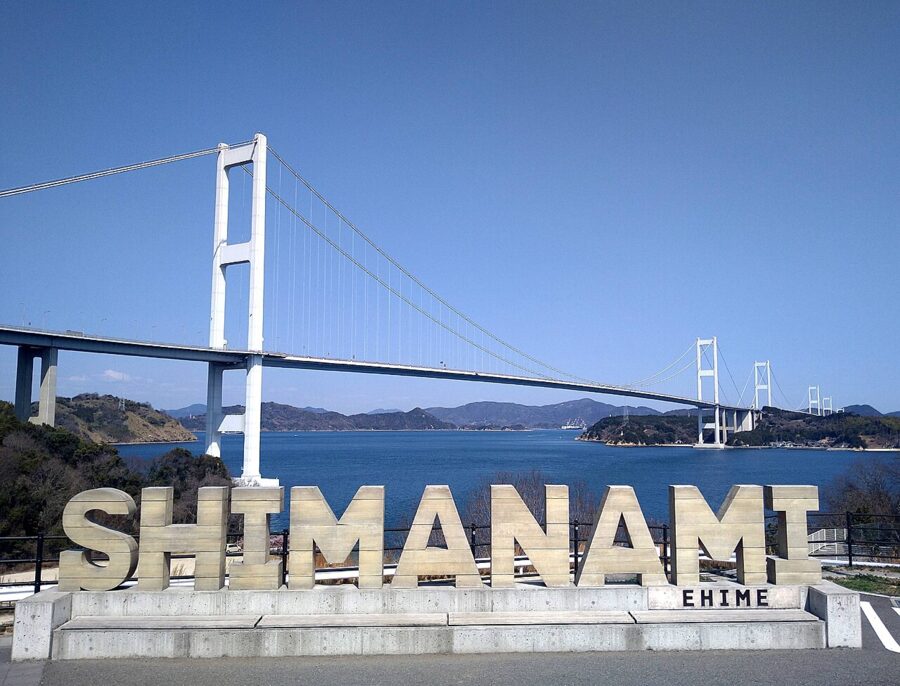
Riding one way and coming back by bus
Any partial ride can end at an island terminal, with the bus home. The highway bus has a quirk that catches people. Heading towards Fukuyama, the stops from Imabari up to Omishima BS are boarding only; heading towards Imabari, the stops from Omishima BS down to Imabari are drop-off only. So the bus is good for getting back north from Omishima, Setoda or Innoshima, but useless for hopping between Oshima and Hakatajima.
For the Ehime islands, use the local bus instead. The Imabari to Omishima line runs from Imabari Station through Oshima and Hakatajima to Omishima BS, Oyamazumi Jinja-mae and Miyaura port, about 65 minutes from the station to the shrine, with buses roughly every hour on the April 2026 timetable. So a rider who started in Imabari can hand the bike in at Tatara and be back at Imabari Station in under an hour.
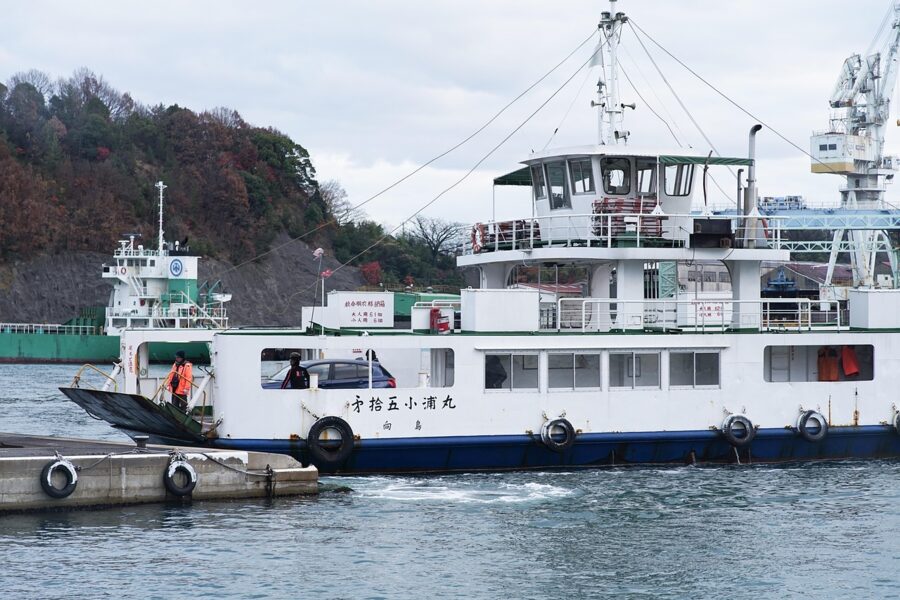
Boats between the islands
There is no year-round boat from Imabari back to Onomichi. In autumn 2026 JR West ran a trial service on October and November weekends linking Onomichi, Setoda, Omishima, Hakatajima, Oshima and Imabari, with bikes carried aboard and a one-day pass at ¥5,500 (about US$37), according to JR West’s announcement. It was the second year of the trial. Whether it returns in 2027 is not yet announced, so treat it as a bonus, not a plan.
Two days without a bike
The islands work without a bike if you lean on the boat and the buses. This version sees Setoda, Omishima and Imabari in two days, using times from the 2026 timetables.
Day one. Take the 09:15 boat from Onomichi Station pier, which reaches Setoda at 09:59 (¥1,500). Spend the day on foot: Kosanji and Miraishin no Oka, the Hirayama Ikuo Museum of Art, lunch on Shiomachi street and the waterfront in the evening. Sleep in Setoda.
Day two. Take a taxi to Setoda BS, the highway bus stop in the middle of the island, for the 09:43 Shimanami Liner towards Imabari, which reaches Omishima BS at 09:52 (¥520; reserve the seat). The Tatara roadside station is beside the stop.
Take the 10:33 local bus from Omishima BS, which reaches Oyamazumi Jinja-mae at 10:45. After the shrine and lunch in Miyaura, the 13:32 from Oyamazumi Jinja-mae reaches Imabari Station at 14:37, in time for the bridge view from Itoyama or a train onward.
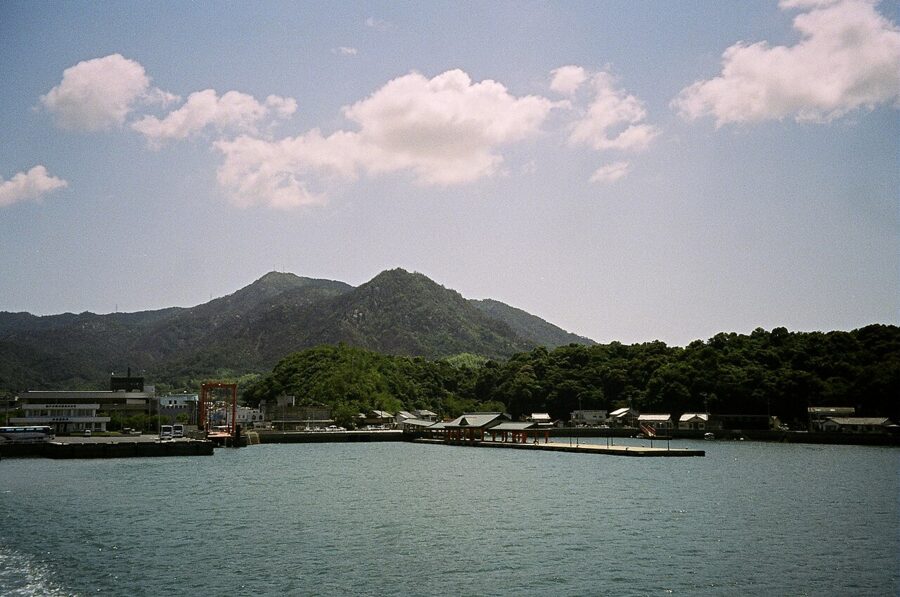
The bus between Setoda and Omishima is only a few minutes, but it is a highway bus, and it can be full on spring and autumn weekends. Reserve it when you book the room.
Booking order, luggage and the days to avoid
Bed first, then bike, then bus. Setoda and Omishima have far fewer rooms than Onomichi or Imabari, and the night decides the whole plan, so book it first. Then book the bike: Shimanami Japan’s rental FAQ says electric-assist bikes run out early even on weekdays, and that on busy holidays every bike can be gone by about 10:00. Book the bus seat last, as soon as the one-month window opens.
Luggage. The same FAQ points to two same-day services for riders who cannot carry a suitcase, Sagawa’s hands-free cycling and Onomichi Base’s Shimanami Tebura-bin, which carry bags from one end to the other while you ride. Otherwise leave the big bag in a station locker, or ask your hotel to send it on by courier the day before.
A small backpack with a change of clothes is all a two-day ride needs.
Days to avoid. Golden Week in early May and the Obon week in mid-August, when nearly all of the system’s roughly 2,000 bikes can be out.
The day of Cycling Shimanami, the big organised ride that closes the expressway to traffic: the 2026 edition was on 25 October, and the highway buses ran a cut-down timetable that day. Windy days, too, since the bridges cross open straits and the bridge operator warns of strong wind on the cycle paths. And Mondays, if the Murakami Kaizoku Museum is on your list.
Bridge tolls. There are none for bikes at the moment. The cycle tolls (¥50 to ¥200 a bridge, ¥500 in all) are waived until 31 March 2028 under the Shimanami Cycling Free scheme, extended in March 2026. The bridge-by-bridge figures and riding rules are on the bridge operator’s cycle path page, and the ramps come one to a bridge along the Shimanami Kaido cycling route.
So book the room in Setoda, book the bike with drop-off in Imabari, and reserve the 17:30 bus from Imabari Station before you leave home. Then the only clock that matters on the day is the one at the Imabari Station terminal, which takes the bike back until 19:00.