Twice a year, on a ring of sand between a small rice field and an open wooden hall in Miyaura, a man in a loincloth wrestles nobody and loses. He is Ichirikiyama, the wrestler of Oyamazumi Shrine, and his opponent is the spirit of the rice. The spirit takes two bouts out of three, the crowd laughs, and everyone goes home content, because a spirit that wins will look after the harvest.
The rest of the year the shrine is quieter, and it is still the most remarkable place on the Shimanami Kaido. Oyamazumi Shrine (大山祇神社) is the head shrine of the god of mountains, who on this island is also the god of the sea and of crossing it. Its camphor grove is a national Natural Monument, its main hall dates from 1427, and its treasure halls hold more old Japanese armour than any other collection in the country.
It is also about 7 km (4 miles) off the cycling route, over a ridge on the far side of Omishima, and most riders never see it. I would make the detour and give it half a day: the grounds in the morning light, lunch in Miyaura, and the armour before the treasure hall’s last entry at 16:00.
Where it is, and what the detour costs
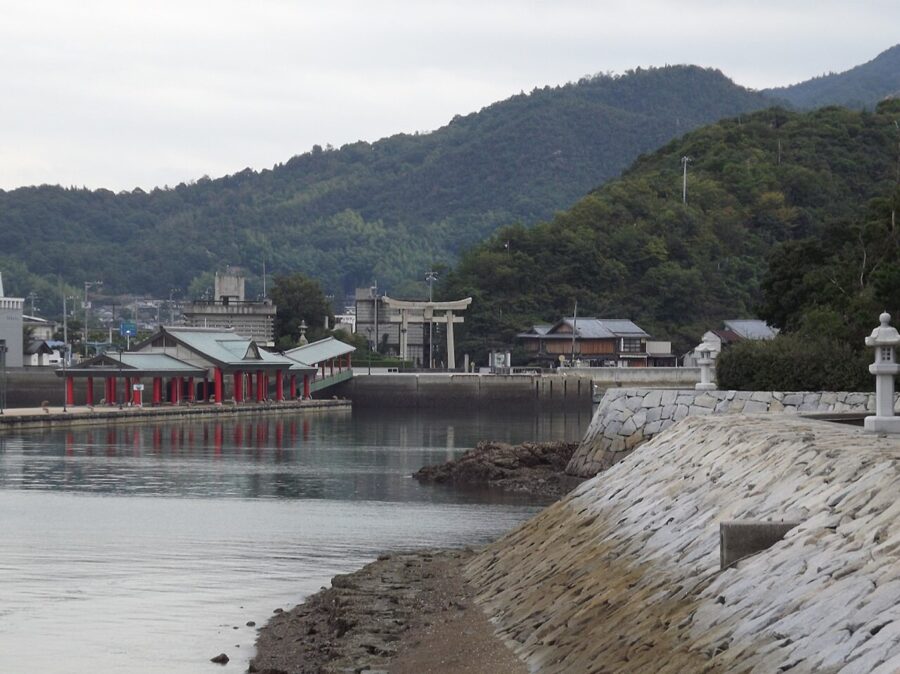
The shrine stands in Miyaura (宮浦), the main village on the west coast of Omishima (大三島), at the foot of Mount Washigatou (鷲ヶ頭山), the island’s highest point at 436.5 metres. Omishima is the largest island on the route and belongs to Imabari City in Ehime; the bridges, museums and citrus are the rest of Omishima.
The Shimanami Kaido cycling route only touches the island’s east side: off the Tatara Bridge at Tatara Shimanami Park, and away about 5 km (3 miles) later over the Omishima Bridge. The shrine is about 7 km west of Tatara, over a road that climbs to a little over 70 metres before it drops through orchards to Miyaura.
On a standard bike that is 30 to 40 minutes each way. Ride on south afterwards and Miyaura to the Omishima Bridge is about 12 km (7 miles), so the loop adds about 14 km to the day, plus two or three hours on foot. On a one-day ride from Onomichi to Imabari that means an early start or an e-bike; on a two-day trip it costs nothing worth worrying about.
A mountain god who looks after the sea
The god here is Oyamatsumi (大山積神), whom the old chronicles call a god of mountains and the father of Konohanasakuya-hime, bride of the sun goddess’s grandson. The shrine’s own account quotes the lost gazetteer of Iyo province, which gives him a second name, Watashi no Okami, the great god of the crossing. On an island in the middle of the Inland Sea, a mountain god became a sea god as well.
That is why sailors and soldiers came. This was the first shrine of old Iyo province (now Ehime), titled Nihon Sochinju (日本総鎮守), “guardian of all Japan”, and it heads the Oyamazumi and Mishima shrines found from Shikoku to Hokkaido. In 1915 it was raised to kokuhei taisha, a national rank no other shrine in Shikoku held, and Shikoku’s tourism body calls it the oldest shrine in Ehime.
The warriors who ruled the sea around it were its closest followers. The Kono clan, lords of Iyo, and the Murakami pirates who held these straits prayed here before campaigns and gave thanks afterwards, often with armour and swords. The Noshima Murakami offered linked verse as prayers too, and the shrine still keeps 274 volumes of these renga, written between 1445 and 1660.
From Seto to Miyaura
Shrine tradition says the god was first enshrined here by Ochi no Mikoto (小千命), one of his descendants. The shrine stood first at Seto (瀬戸), on the island’s south-east corner, and moved to Miyaura in 719; the main festival falls on the 22nd day of the fourth lunar month because that was the day of the move. The story is that the founders shot an arrow from Seto, another from where it landed, and built where the third fell, by the pond in the present grounds.
War burned the main buildings in 1322. They were rebuilt in the early Muromachi period, an ink inscription dates the main hall to 1427, and the main hall and worship hall are both Important Cultural Properties.
Pilgrims, a prime minister and swords in the ground
In the Edo period, some Shikoku pilgrims crossed from the Imabari coast to pray here between temples 53 and 54, though the shrine never had a number on the circuit. The wandering monk Ippen came too, and one of three stone pagodas by the grounds is said to mark his visit.
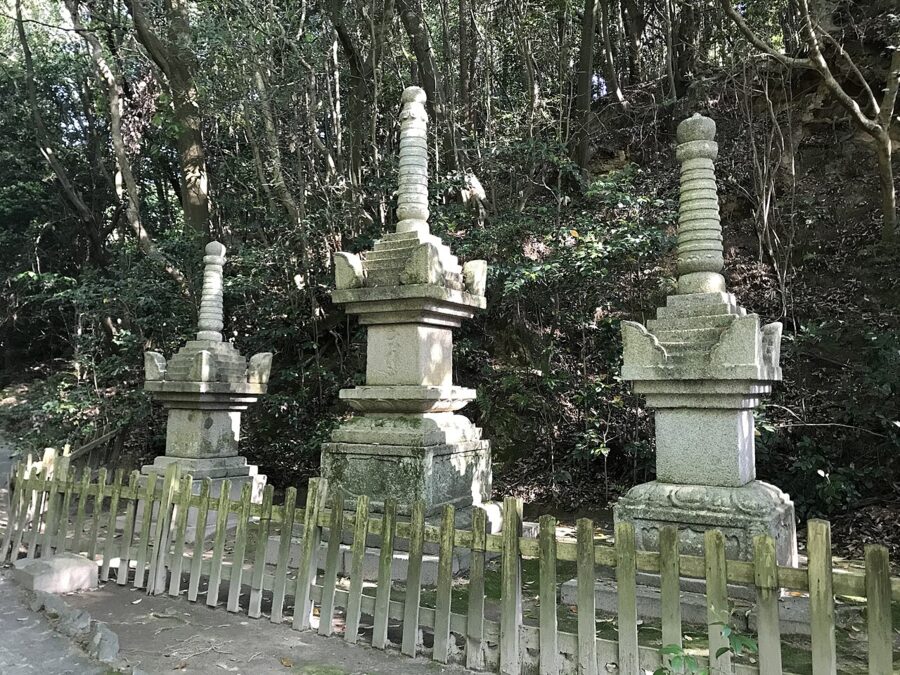
Ito Hirobumi, Japan’s first prime minister, visited, planted a camphor in 1909 and wrote the characters on the shrine’s name stone. After 1945, the story goes, the shrine took in thousands of items from the naval academy to keep them from the occupation authorities, and when ordered to dispose of its swords it buried them instead.
The grounds, gate by gate
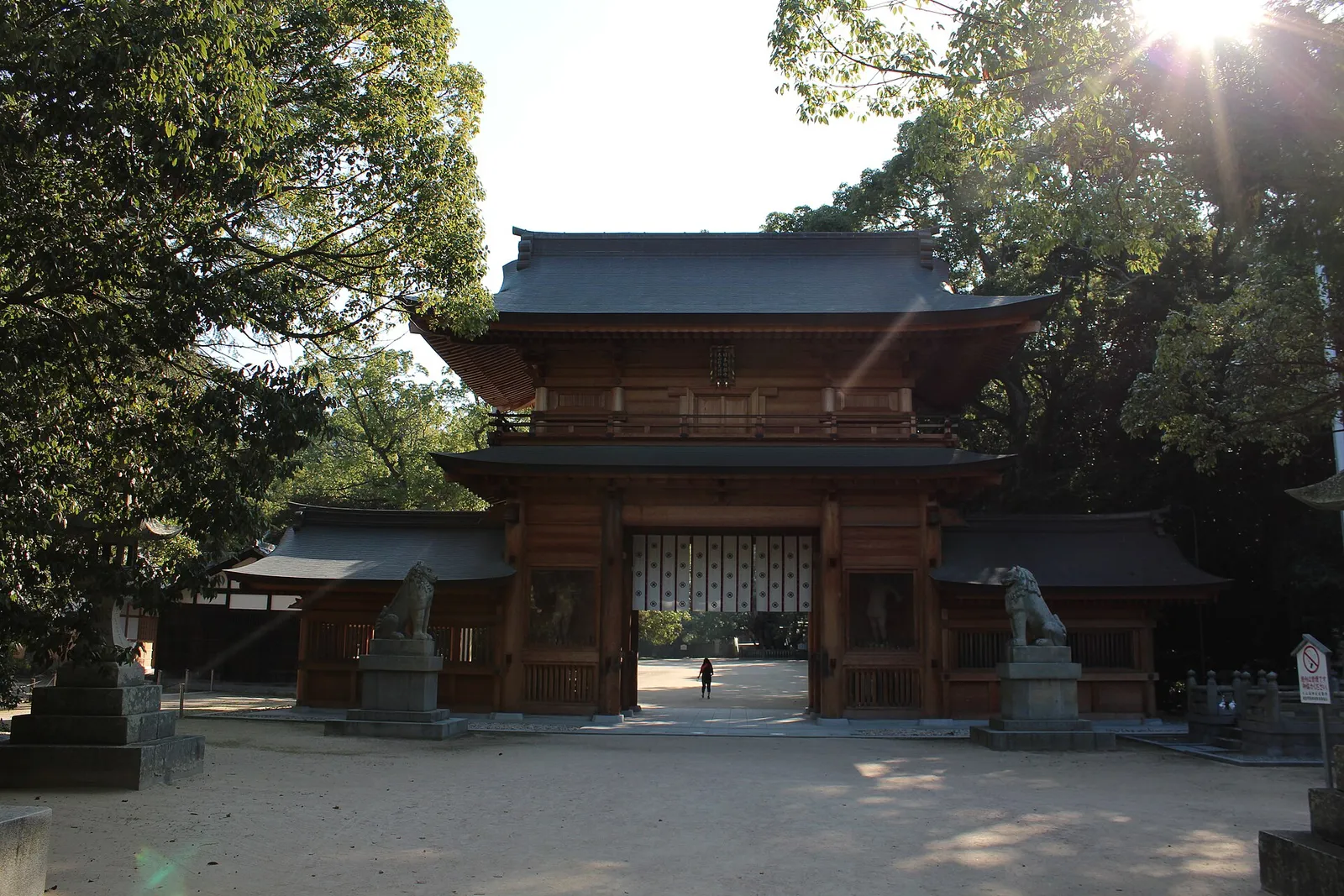
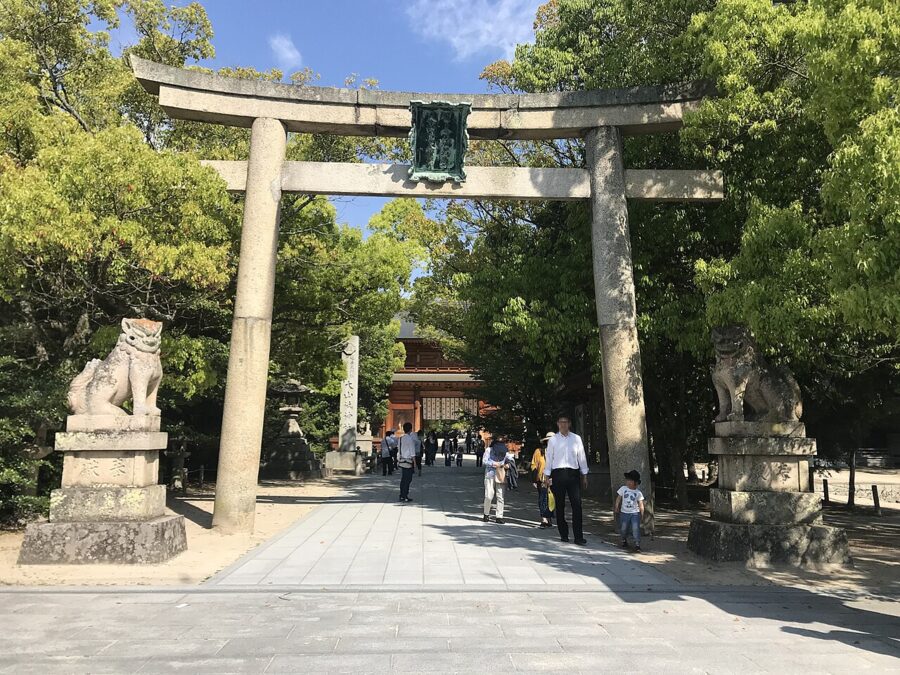
Past the second torii, a short stone bridge leads to the name stone and the Somon (総門), the great outer gate. It is new: two storeys of cypress about 12 metres high, raised in 2010 to replace a gate lost to fire 688 years earlier. The guardian figures in its side bays are warriors in armour, one with a sword and one with a bow, which tells you what kind of shrine this is.
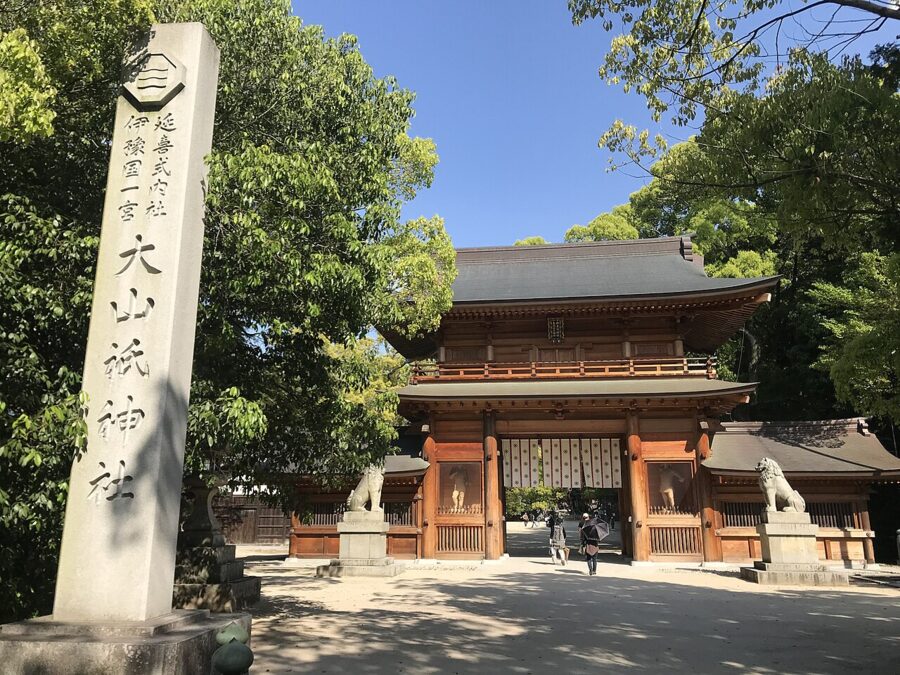
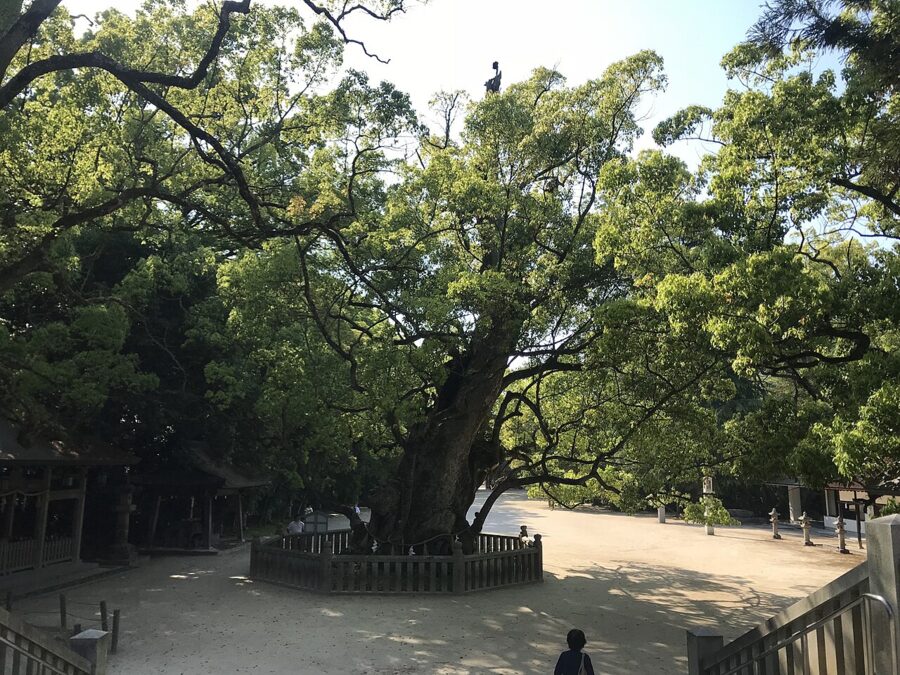
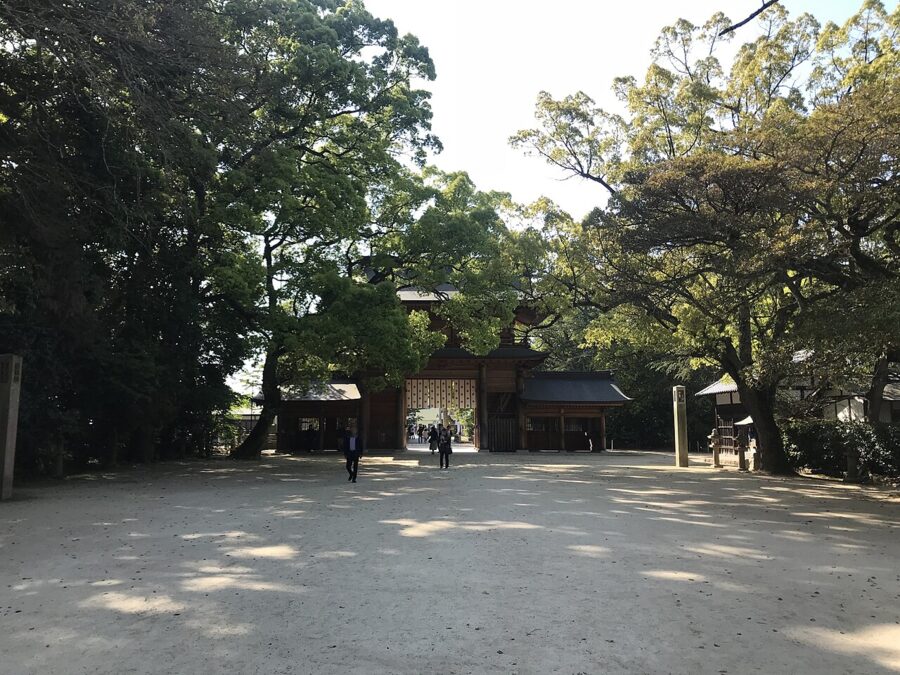
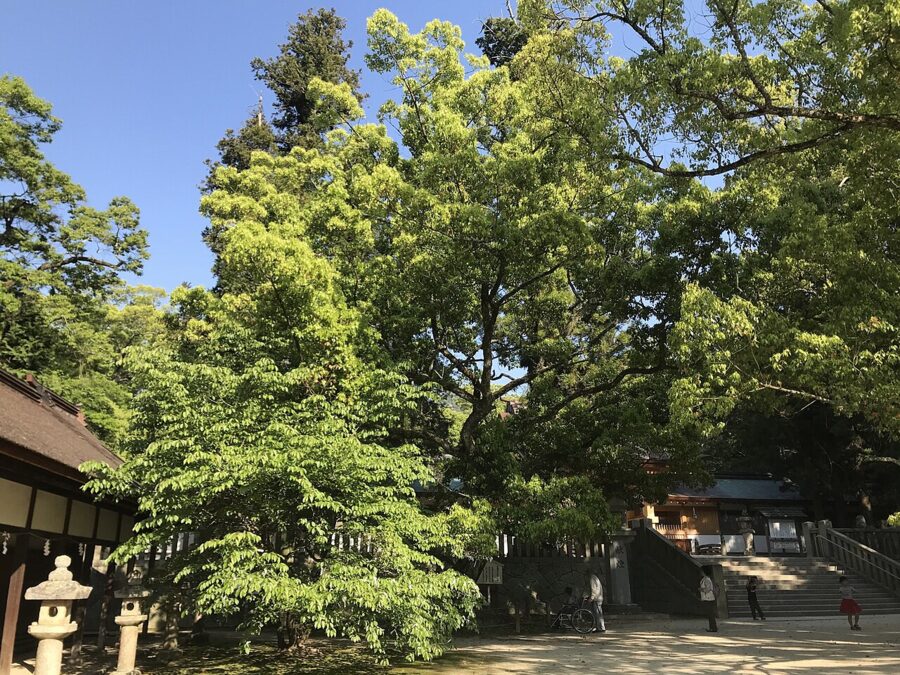
Inside is a long forecourt of pale sand under the trees. The sacred rice field lies by the Somon, faced by the open Osajikiden hall, and the great camphor stands ahead in the middle of everything. The shrine’s map of the grounds numbers every building and is worth a look before you start.
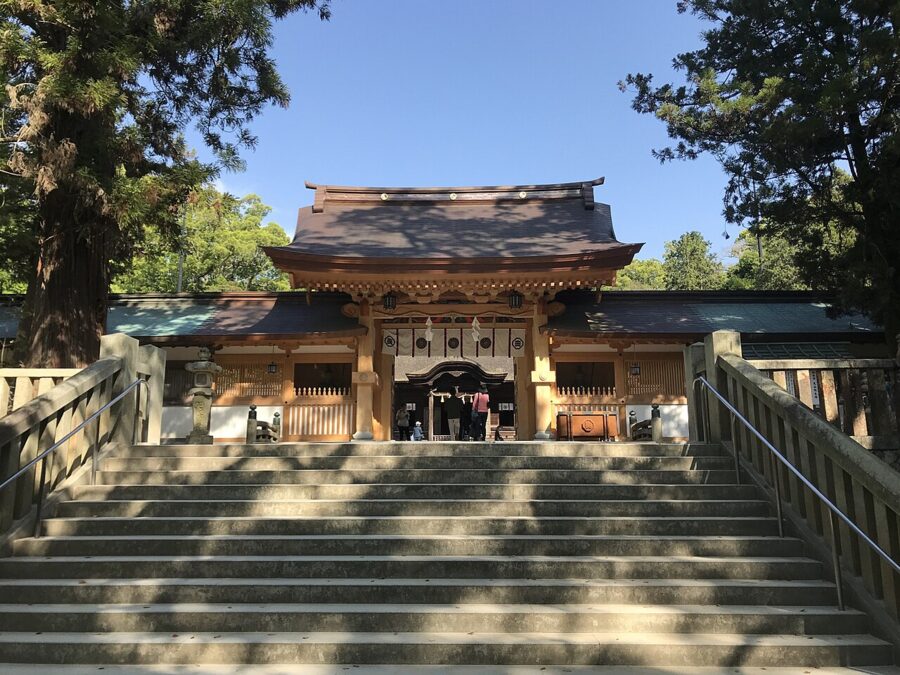
At the far end, steps climb to the Shinmon (神門), the inner gate, rebuilt in 2016 to replace one a Matsuyama lord gave in 1661. Beyond it is the worship hall, the haiden, in plain wood under a thick cypress-bark roof, with a curved gable over the steps where you pray.
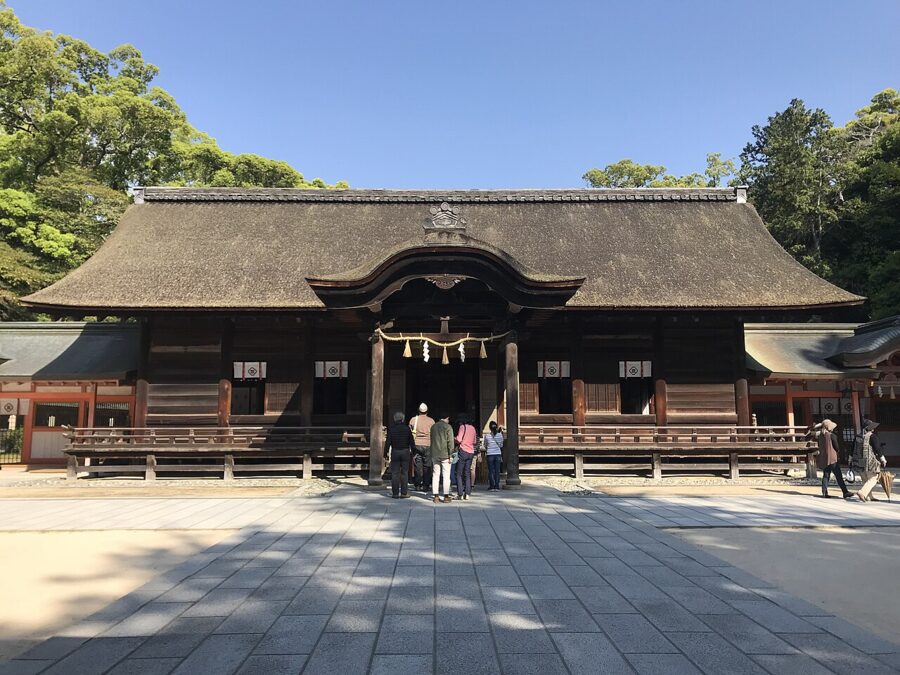
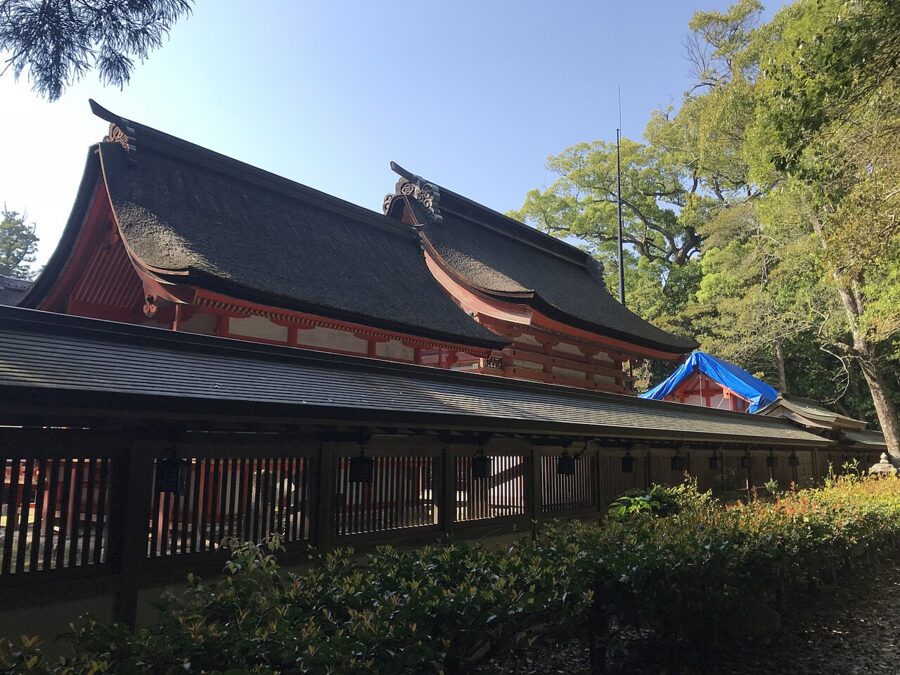
Walk round the back for the main hall, the honden, painted red and white under cypress bark. Kamitsu-sha (上津社) on its right and Shimotsu-sha (下津社) on its left honour a thunder god and a rain god, each with a goddess, and the shrine counts the three halls together as Oyamazumi Shrine.
The camphor grove
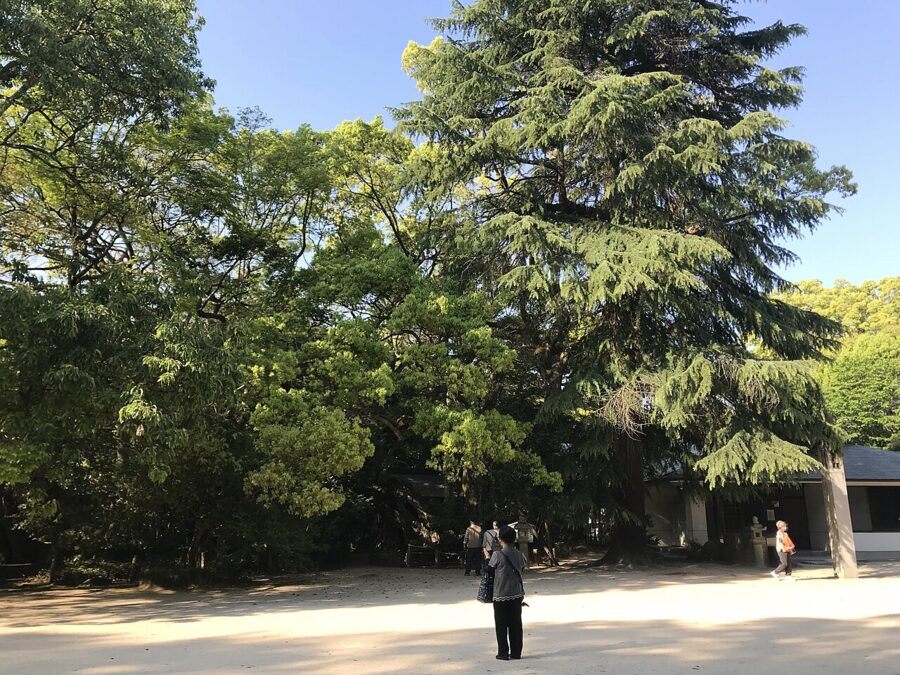
Omishima was once covered in camphor, and what is left of that forest stands around the shrine. Thirty-eight old trees make up the Oyamazumi Shrine camphor group, a national Natural Monument since 1951. They have survived fire in 1322, a flood in 1722 and lightning since, and there is dead wood among the green.
The one to stand under is the camphor of Ochi no Mikoto (乎知命御手植の楠), said to have been planted by the founder. People walk round it three times, clockwise from the front, holding their breath, for a wish to come true; at 11 metres round, that is between you and your lungs.
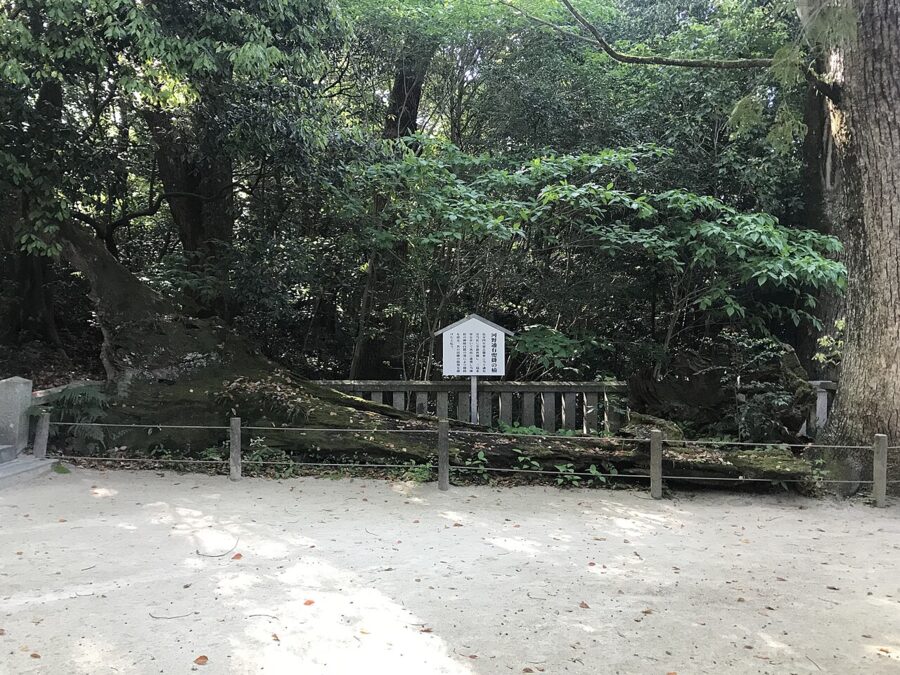
Two famous trees are dead but still marked. Near the pond, the poet-monk Noin is said to have hung offerings on a camphor and prayed for rain in the drought of 1041. Close to the main hall is the stump where Kono Michiari, the Iyo commander, is said to have hung his helmet when he came to pray before fighting the Mongol invasion of 1281.
The youngest tree with a sign is Ito Hirobumi’s. People tie fortune slips to its low branches, which does it no good; use the racks.
Behind the shrine: Ikiki no Gomon and the Okunoin
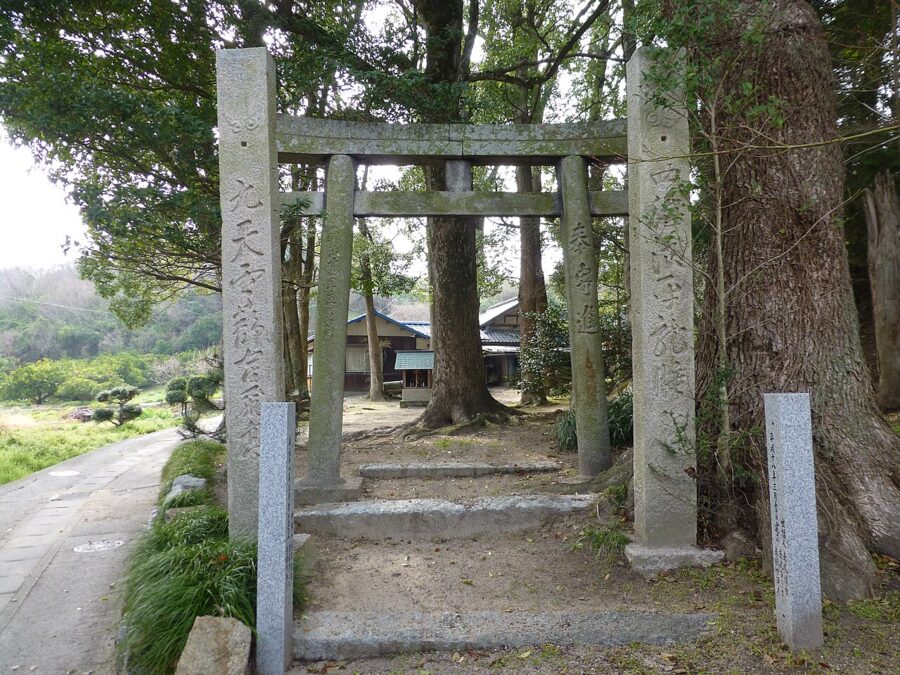
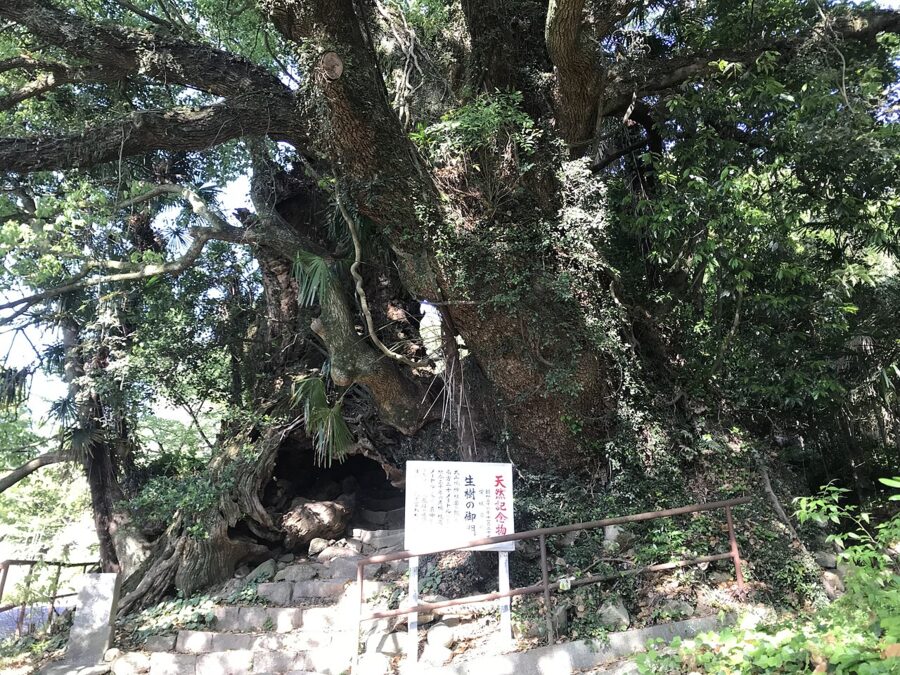
Most people stop at the main hall. Do not. Five minutes east along a lane behind the shrine is Ikiki no Gomon (生樹の御門), “the gate of the living tree”, a camphor about 15 metres round whose hollow trunk, roughly 2 metres wide and 3 metres high, is the gateway on the path. Walking through it is said to bring a long life.
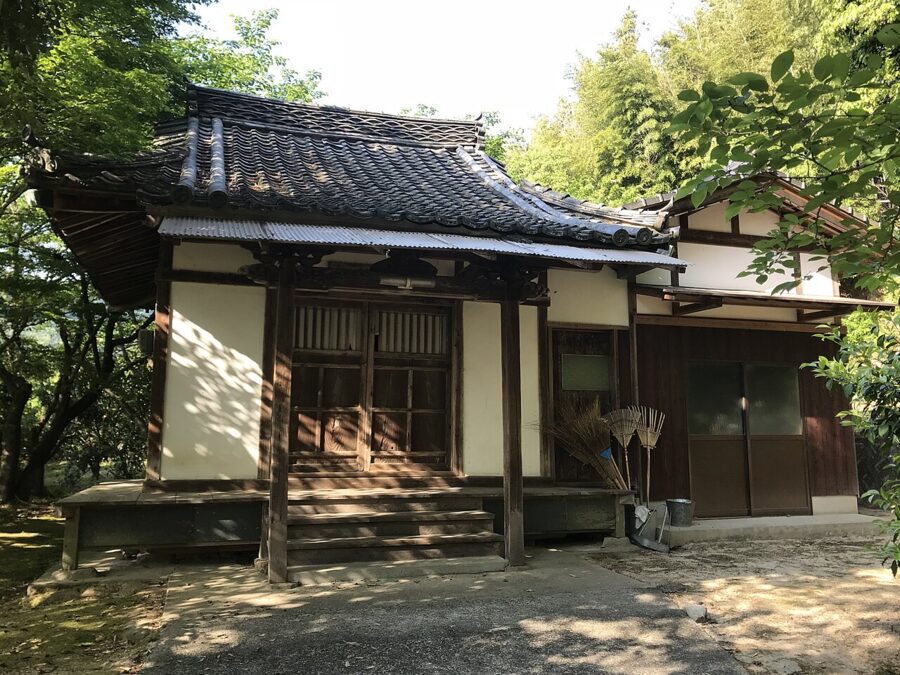
Beyond it is the Okunoin (奥の院), the inner hall of the Buddhist temple that served the shrine until shrines and temples were separated after 1868. Hardly anyone walks up here, and it is the best ten minutes of quiet on the island.
The treasure halls
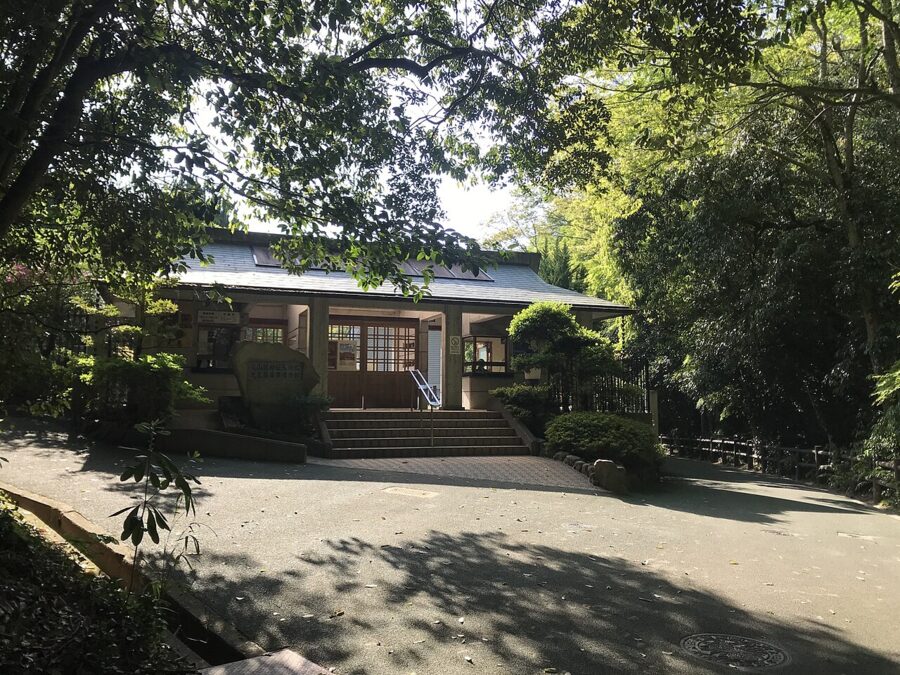
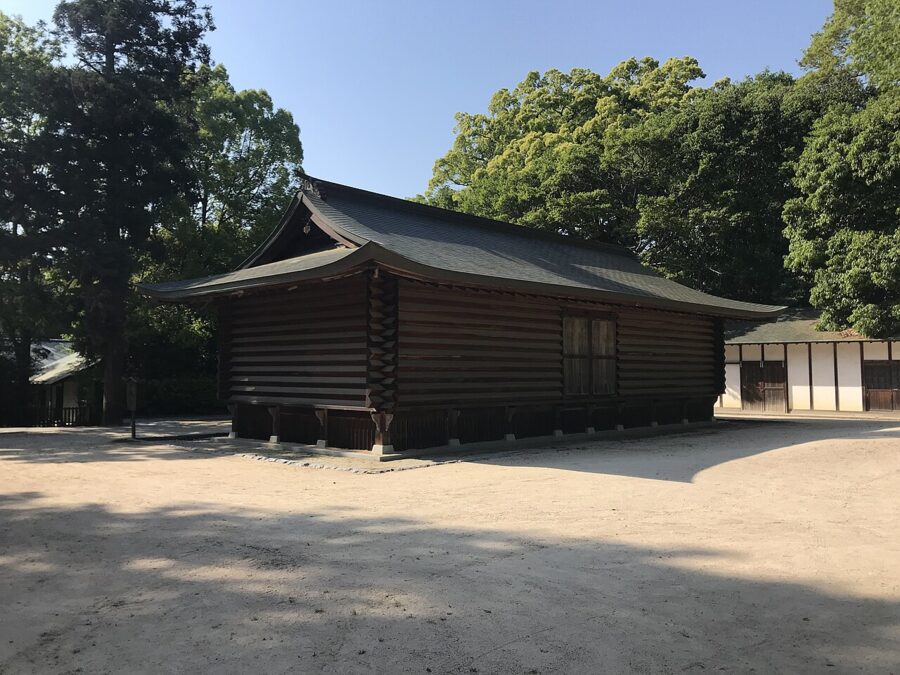
The shrine’s treasure page begins with a small bridge: cross it, it says, and the ancient world comes back. The bridge is over the Meiji River south of the main halls, and one ticket covers three buildings: the joined Shiyoden (紫陽殿) and Kokuhokan (国宝館), which hold the armour and weapons, and the Omishima Maritime Museum.
The shrine says about eight in ten of the armour and weapons in Japan listed as National Treasures or Important Cultural Properties are here. Counts made by listing rather than by piece put it nearer four in ten, and Japan’s tourism agency describes eight National Treasures and 469 Important Cultural Properties. Whichever figure you take, nowhere else comes close for armour.
The displays are old-fashioned: rows of glass cases with short labels in English and Japanese. That suits the collection. Many blades are nicked and much of the lacing has rotted; these things were used.
What to look for
Not everything is always on show, and the best pieces sometimes travel: the Tang mirror below went to the Nara National Museum in spring 2025, as the shrine’s loan notice recorded. These are the ones to find.
- Murasaki aya odoshi yoroi (紫綾威鎧), purple twill-laced great armour of the late Heian period, said to have been given by Minamoto no Yoritomo, founder of the first shogunate. National Treasure.
- Aka-ito odoshi yoroi (赤糸威鎧), red-laced, said to be the gift of his brother Yoshitsune. National Treasure.
- Omodaka odoshi yoroi (沢瀉威鎧), traditionally given by Ochi Yoshikata and usually counted the oldest great armour to survive; the shrine dates its oldest armour to the mid-Heian period. National Treasure.
- Kon-ito odoshi yoroi (紺糸威鎧), navy-laced, said to come from Kono Michinobu. National Treasure.
- Moegi aya odoshi koshitori yoroi (萠黄綾威腰取鎧), the late Kamakura armour of Kono Michiari, its green twill badly worn. Important Cultural Property.
- The great sword attributed to Bungo Tomoyuki, a blade about 180 cm long carried by Omori Hikoshichi, who fought Kusunoki Masashige. More than 40 cm of its original edge survives untouched. National Treasure.
- Tsuruhime’s cuirass (紺糸裾素懸威胴丸), Muromachi period, very wide at the chest and pulled in tight at the waist. The shrine calls its build unlike any ordinary cuirass, and its tradition says the priest’s daughter Tsuruhime wore it in the battle of Omishima in 1541. Important Cultural Property.
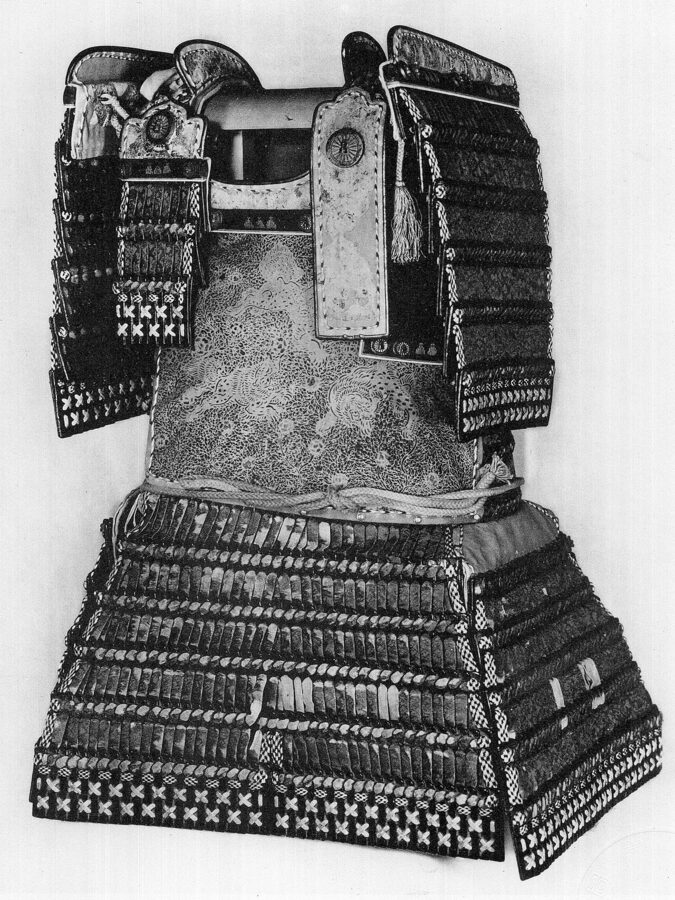
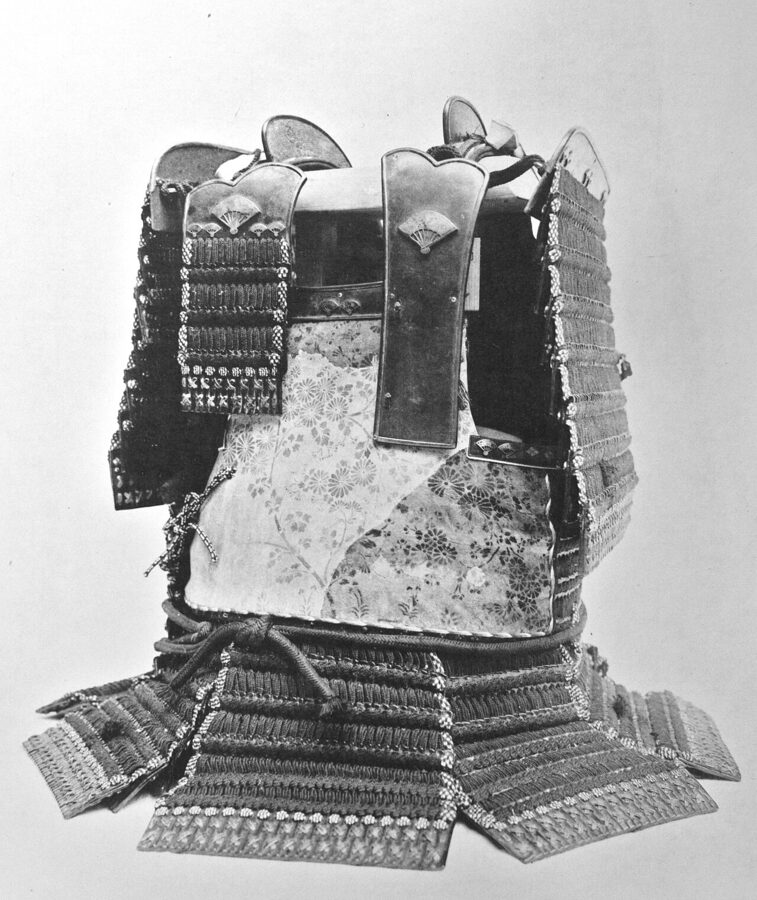
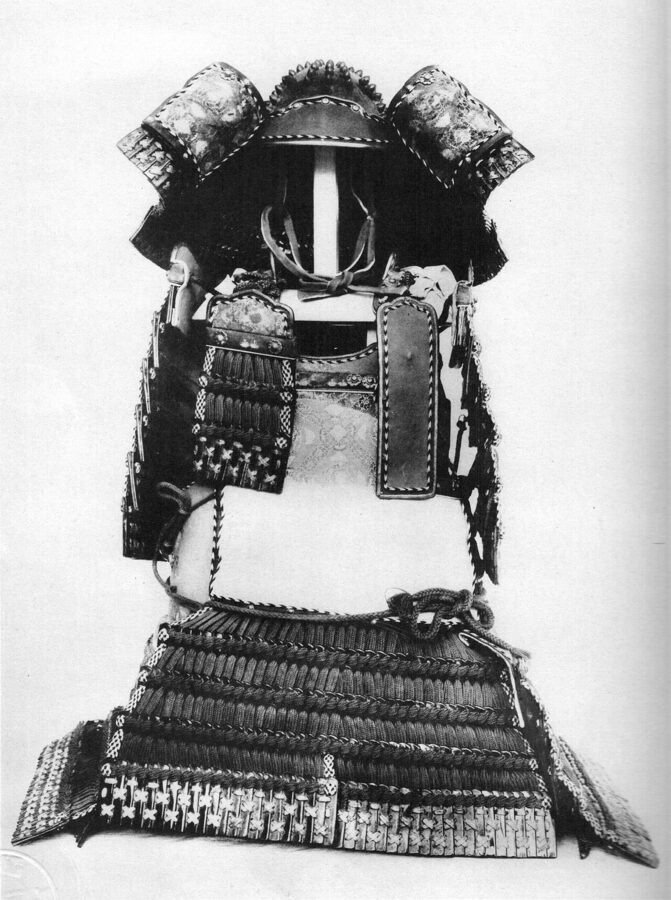
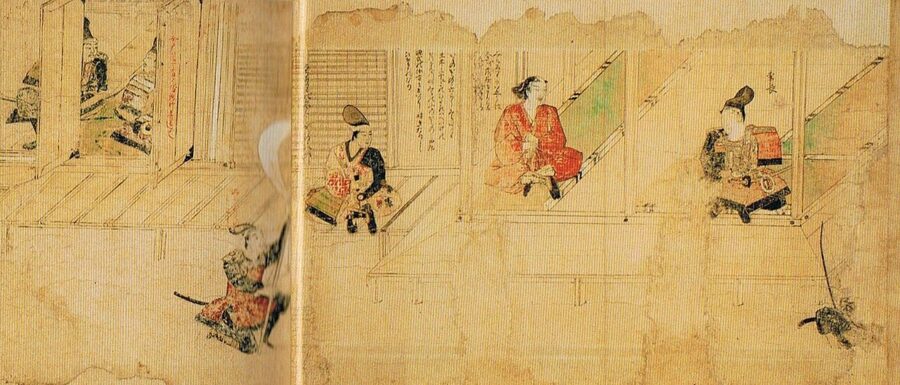
The swords are the other half. Look for the great sword signed by Senjuin Nagayoshi and dated 1366, traditionally given by Emperor Go-Murakami, and a long sword from the warlord Ouchi Yoshitaka, head of the clan the island’s tradition says Tsuruhime fought.
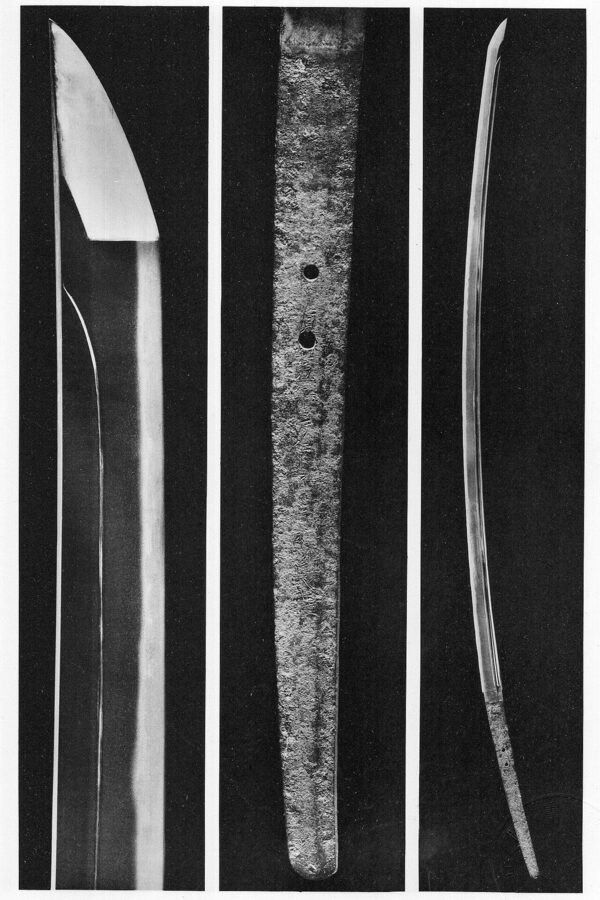
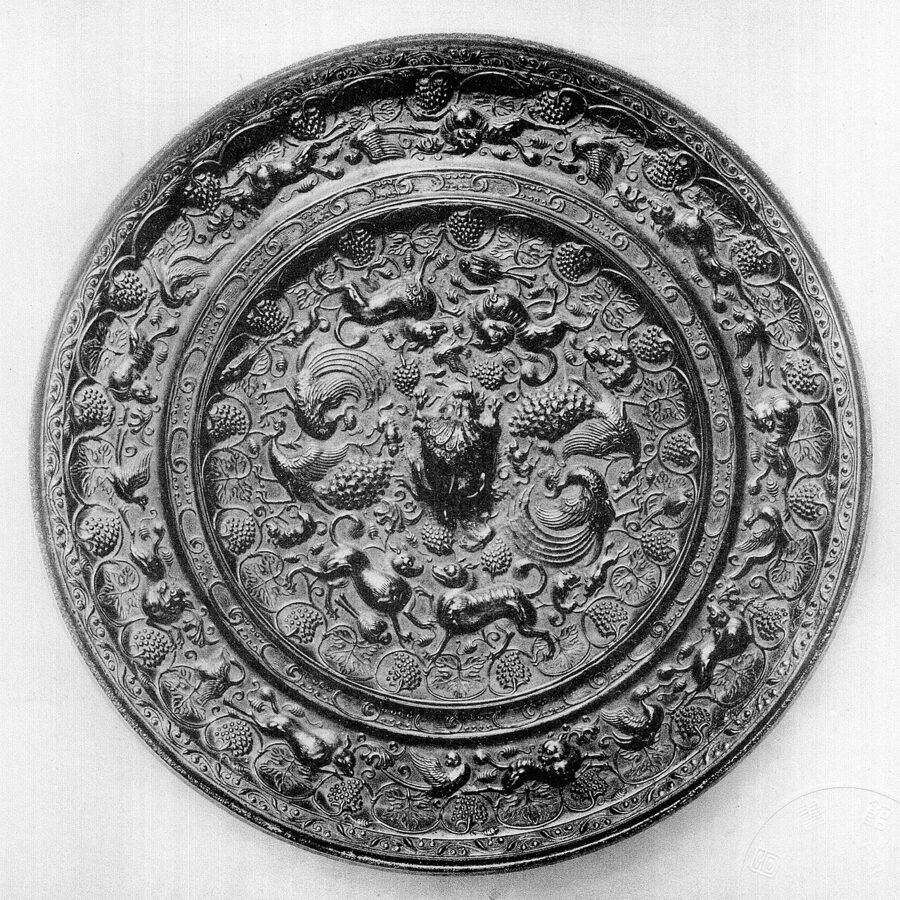
The third building is a surprise. The Omishima Maritime Museum is built around the Hayama-maru, the boat Emperor Showa used to collect specimens for his marine biology, with Inland Sea specimens and ores from mines around Japan, a nod to the god’s role as patron of mining. If the light outside is good, skip it.
Tickets, hours and time
Admission to all three buildings is ¥1,000 (about US$7) for adults, ¥800 (about US$5) for high school and university students and ¥400 (about US$3) for younger children, as of 2026, on Shimanami Japan’s page for the shrine. The shrine’s notice on treasure hall hours gives 09:00 to 16:30, last entry 16:00. Older guides quote 08:30 to 17:00; go by the shrine.
Give it an hour if armour interests you and 40 minutes if it does not, and arrive by 15:00 so the cut-off does not hurry you.
One-man sumo and the festival year
The shrine’s festival calendar lists about 120 rites a year. Two of them include the hitori-zumo (一人角力), the one-man sumo.
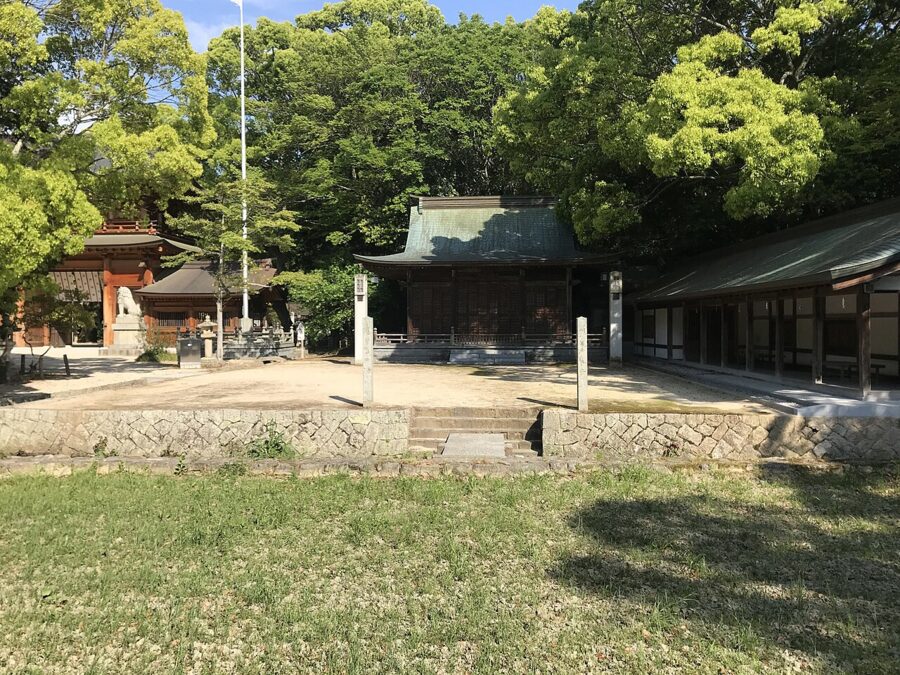
At the rice-planting festival, Otaue-sai, on the fifth day of the fifth lunar month, the three portable shrines are carried to the Osajikiden, and before sixteen young women from the island plant the field, Ichirikiyama steps into the ring. At Nukiho-sai, the harvest of the first ears on the ninth day of the ninth lunar month, the sumo follows the cutting.
The bouts are mime, and perfectly timed. The spirit pushes the man out in the first, the man takes the second on the referee’s fan, and the spirit throws him in the third. A record from 1364 mentions sumo offered here, and the rite is an Ehime intangible folk cultural property; it lapsed in the 1980s, was kept alive by the island’s junior high school pupils, and has been performed by a young islander with a referee since the bridges opened.
Because the dates follow the lunar calendar, they move every year. In 2026 the planting fell on 19 June and the harvest in mid-October; the rites start at 12:30 and watching is free. Nippon.com’s account of the ritual describes each bout.
| Date | Festival | What happens |
|---|---|---|
| 1 January | Saitan-sai | New Year rite from 08:00; the shrine warns of heavy traffic from the Omishima interchange |
| 7 January | Ubusuna-sai, Fukugi Shinji | From 19:00: red earth from Mount Anjinsan on the priests’ foreheads, then a scramble for lucky sakaki sticks |
| 22nd of the 4th lunar month | Reitaisai | The main festival, marking the move to Miyaura in 719 |
| 5th of the 5th lunar month | Otaue-sai | Rice planting and the one-man sumo |
| Weekend nearest the 22nd of the 8th lunar month | Ubusuna Taisai | The autumn festival: lion dancers, floats and three mikoshi carried about 4 km; 4 October in 2026 |
| 9th of the 9th lunar month | Nukiho-sai | Harvest of the first ears and the one-man sumo |
| 31 December | Oharae | The year-end purification, from the evening |
The shrine posts each month’s rites in its news section. On big festival days, private prayers wait until the ceremonies are over.
Visiting: hours, manners and the goshuin
The grounds cost nothing to walk. Hours from the shrine’s worship and prayer page and its treasure hall notice, as of 2026:
| What | Hours | Cost |
|---|---|---|
| Shrine gates | About sunrise to 17:00 | Free |
| Amulet counter (charms, goshuin) | 09:00–17:00 | Varies |
| Prayer requests | 09:30–16:00 | From ¥5,000 (about US$33) |
| Treasure halls and maritime museum | 09:00–16:30, last entry 16:00 | ¥1,000 adults |
| Shimanami no Eki Mishima (roadside station) | 08:30–17:00 daily | Free |
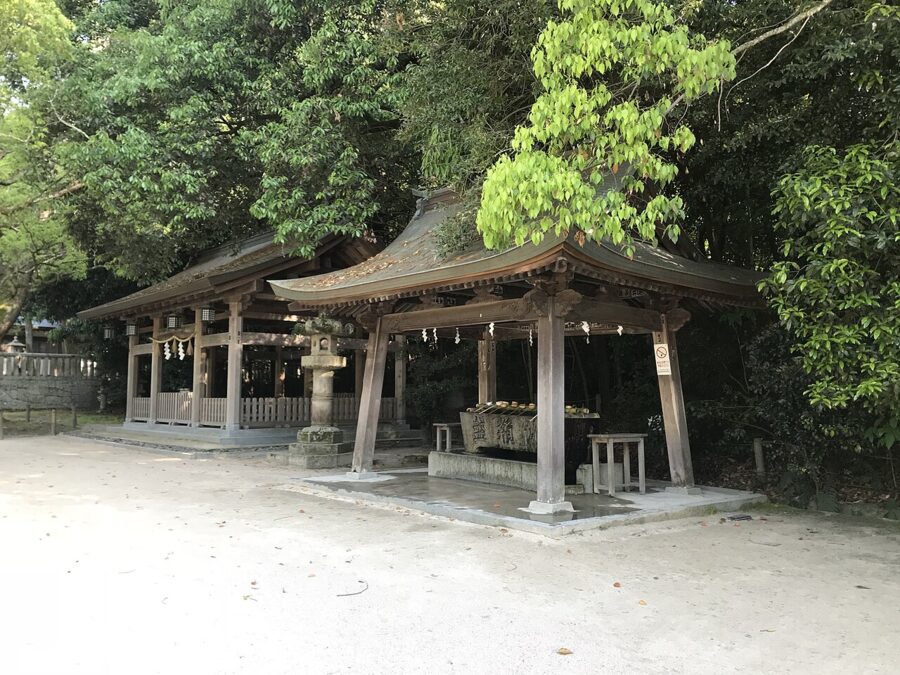
The manners are the ordinary ones. Rinse your hands at the purification basin, then at the worship hall bow twice, clap twice and bow once. Stay off the camphor fences, and walk through Ikiki no Gomon rather than posing in it while a queue waits.
Goshuin, the brush-written stamps collectors gather in a folding book, are given at the amulet counter from 09:00 to 17:00; over New Year the shrine hands out pre-written slips to keep the queue moving. Its autumn 2026 newsletter also announced a limited goshuin for the film Nare, Hoshi no Gotoku (汝、星のごとく), shot on Omishima and around Imabari.
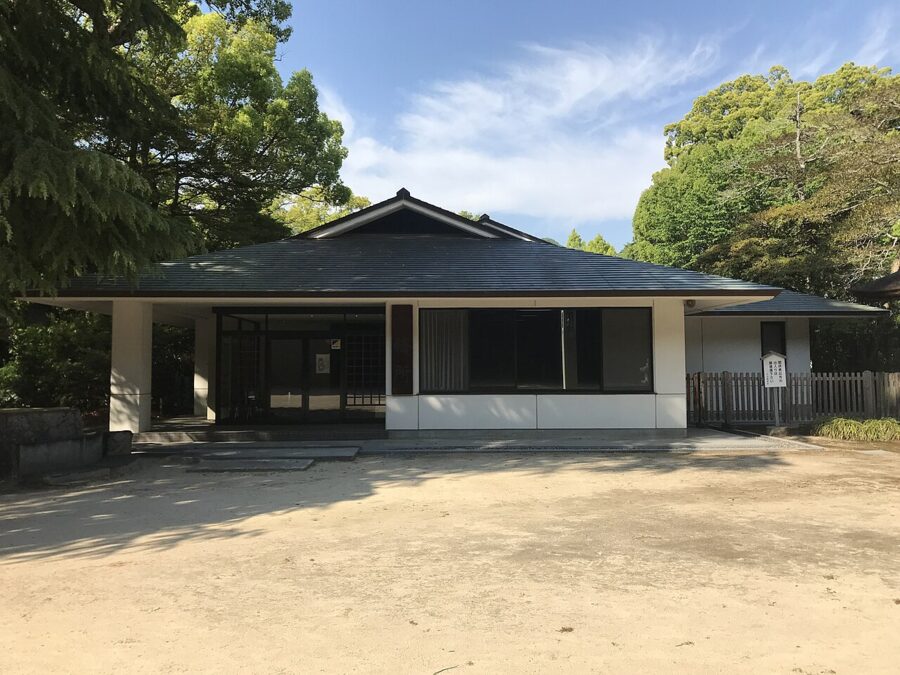
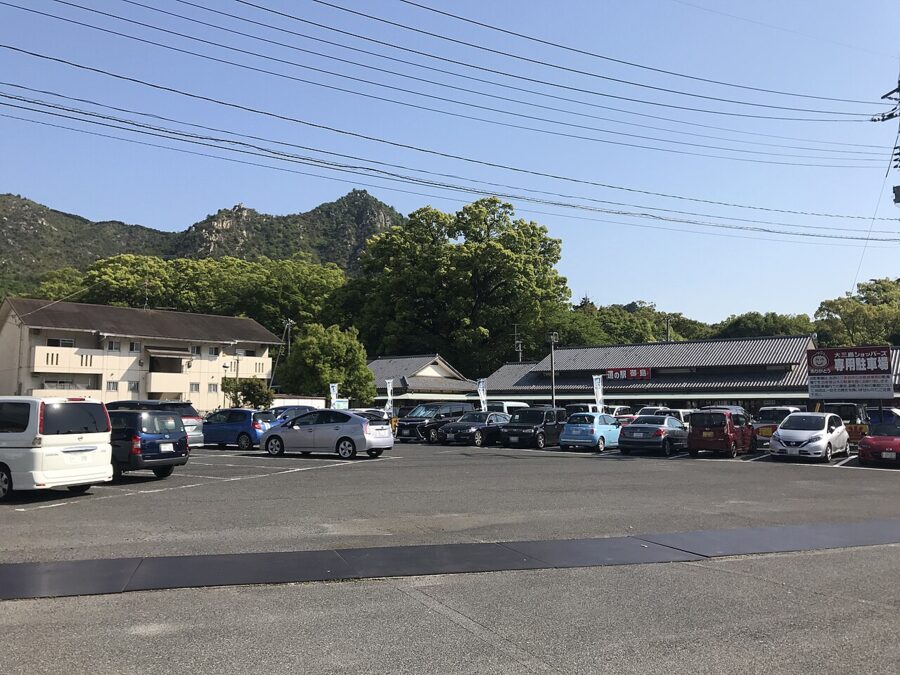
A formal prayer starts at ¥5,000, and from ¥30,000 (about US$200) a shrine maiden dances kagura as part of it. Volunteer guides to the shrine are booked through the roadside station next door, which also has showers, coin lockers and a tourist information desk for overseas visitors.
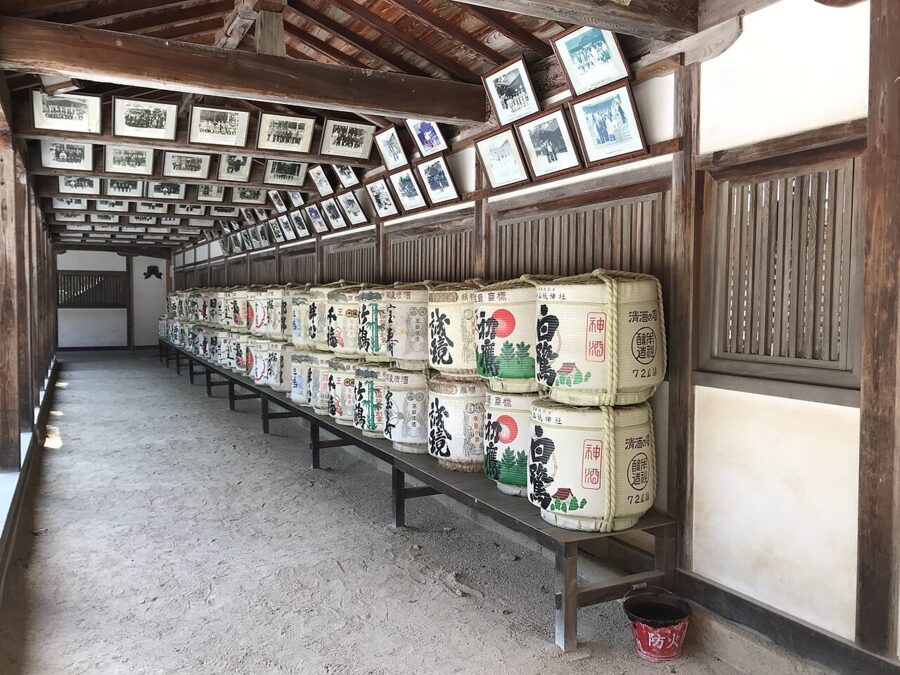
Allow 40 minutes for the grounds, an hour for the treasure halls and 20 minutes for Ikiki no Gomon and the Okunoin; with lunch, three hours is comfortable. Only 13 cars fit by the torii, and the shrine’s access page sends other drivers to the free car park at Omishima Fuji Park, a few minutes’ walk north.
Miyaura
Miyaura grew up as the shrine’s front door, a harbour village whose main street ran from the port to the torii. The bridges moved the traffic to the expressway and the old approach is quieter now, but everything a visitor needs is within ten minutes’ walk.
Eating and sleeping
Ryokan Sawaki, the inn on the approach, keeps a list of places to eat around the shrine, checked in September 2026. From it and the places’ own pages:
- Tairyo (大漁), in front of the shrine, serves seafood bowls from 11:30 until the fish runs out, and closes on Saturdays, which catches people out.
- Hime Shokudo (Hime食堂) opened on the approach in August 2026 with set meals of island seafood and Ehime dishes, 11:30 to 15:00, closed Thursdays.
- Cafe SANDO, also on the approach, does a Cuban sandwich with pork marinated in island citrus.
- Omishima Brewery, run by a couple in Miyaura, pours a citrus white ale and four other beers from 12:00 to 20:00, usually closed Tuesdays and Wednesdays; a large glass is ¥1,100 (about US$7).
Ryokan Sawaki itself is a fifteen-room seafood inn three minutes from the shrine, with indoor bike storage and e-bikes for hire. Sleep in Miyaura and you can stand under the camphor at seven in the morning with the place to yourself; Miyaura is the shrine end of where to stay on the Shimanami Kaido, and the cycle hostels are back at Tatara.
Tsuruhime, the wisteria and the shrine by the sea
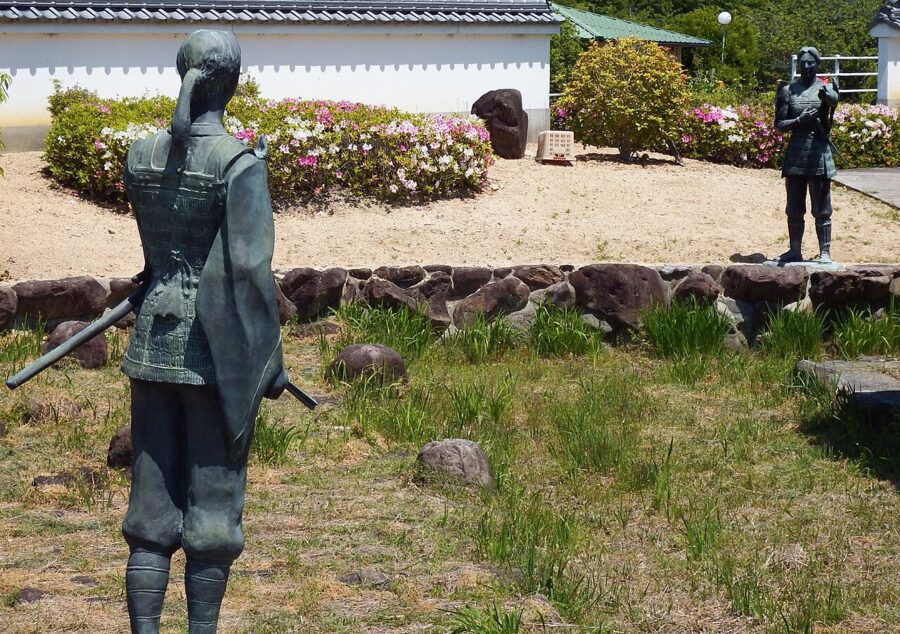
Five bronze statues of Tsuruhime (鶴姫) stand around Miyaura: two by the river near the shrine, one in Omishima Fuji Park, one in the water at the port, and one in a small park beside Ochi Yasunari, the lover the legend gives her. In the story she was the chief priest’s daughter who led the islanders against the Ouchi fleet in 1541 and took her own life after Yasunari fell. Most people learned it from a 1966 novel, and historians are cautious about how much happened.
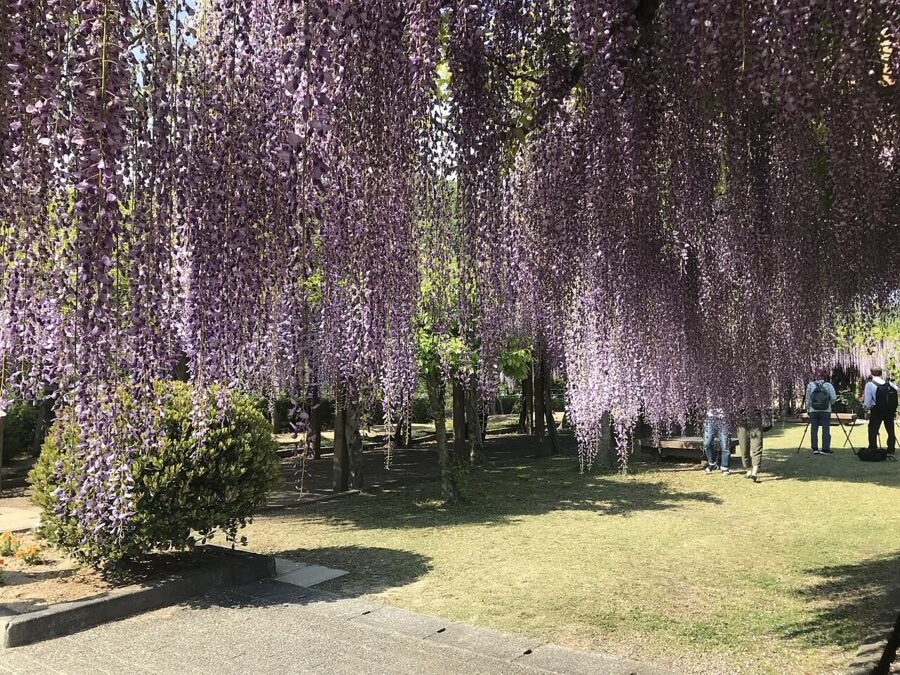
Omishima Fuji Park, north of the shrine, is a wisteria garden worth the walk when it flowers in spring and not much otherwise.
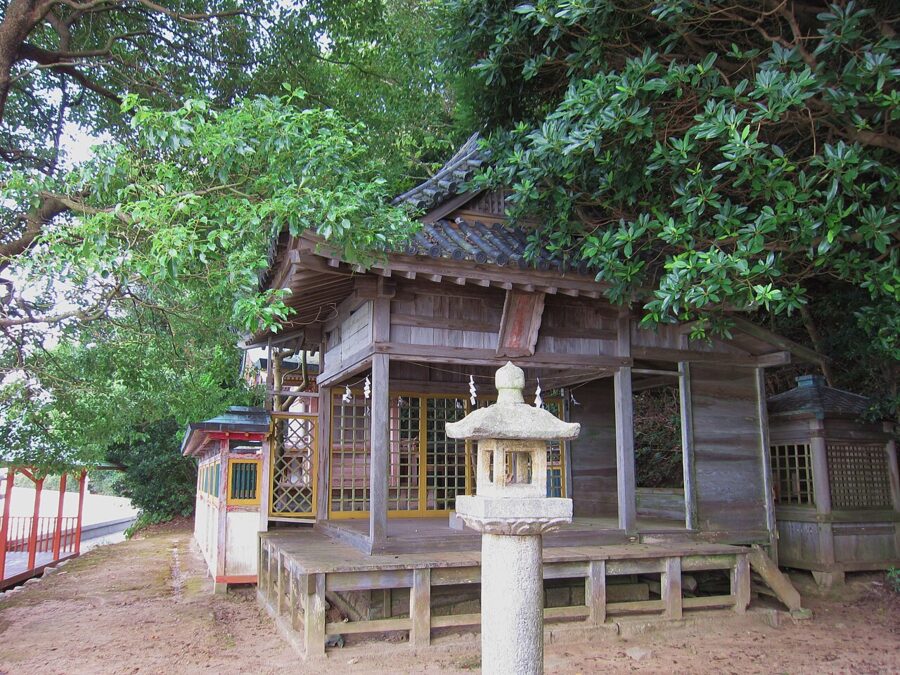
At the port, Anaba Shrine (阿奈波神社) sits at the water’s edge under Mikushiyama, a wooded hill listed as an Ehime scenic spot. It belongs to Oyamazumi and honours Iwanaga-hime, the god’s elder daughter, a goddess of long life. Its worship hall was damaged in June 2016, and the festival has been held on the opposite shore since; go for the setting and the evening light.
Beside the second torii, the Omishima Art Museum shows contemporary nihonga, Japanese-style painting, in its fortieth year. Entry is ¥520 (about US$3), 09:00 to 17:00, closed Mondays.
Getting there from the cycling route
By bike
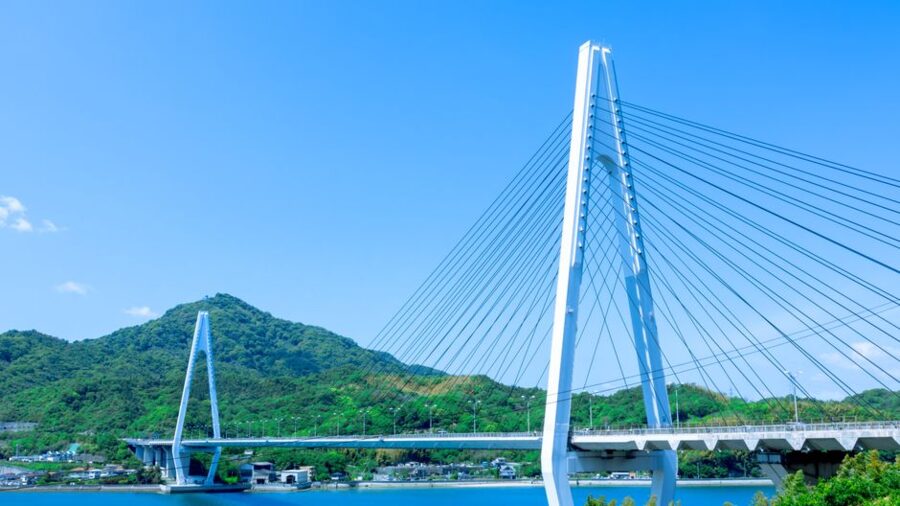
Off the Tatara Bridge you are at Tatara Shimanami Park and Shimanami Japan’s Omishima rental terminal, open 09:00 to 17:00. Follow the signs west for Miyaura: a short run along the coast, then a steady climb over the middle of the island to a little over 70 metres, and down through mikan orchards to the shrine.
This is where an e-bike earns its money. Shimanami Japan’s rental terms put a standard bike at ¥3,000 (about US$20) a day and an electric-assist bike at ¥4,000 (about US$27), as of 2026, and an individual can hand either back at any terminal. The Omishima terminal is one of only three where you can swap a flat battery; the other two are at Setoda.
Leaving, go back over the ridge to Tatara, or ride on south about 12 km to the Omishima Bridge and Hakatajima, passing near Yokodono-gu at Seto. If you started the day at Kosanji in Setoda, the shrine makes a good second half: one place built in the twentieth century to look ancient, and one that is.
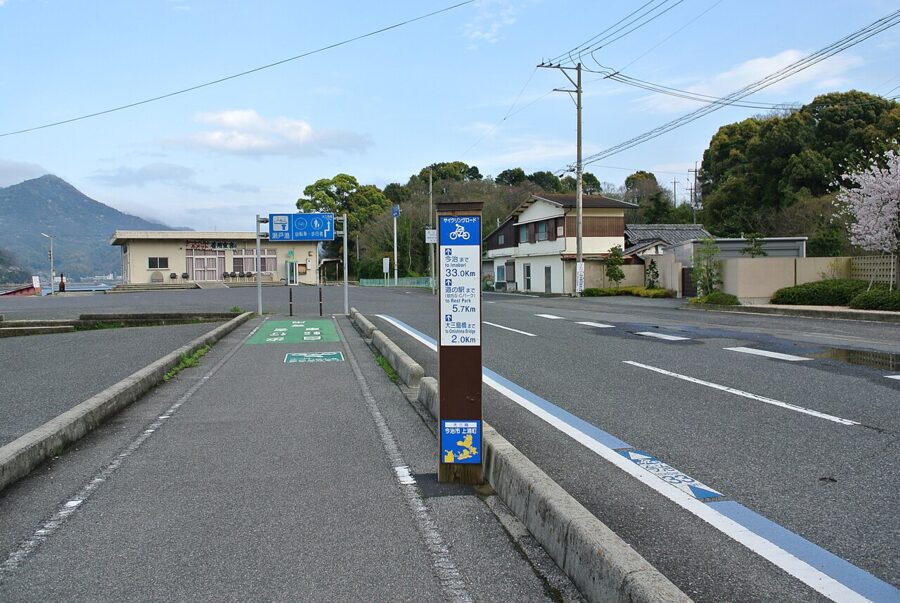
By bus
Setouchi Bus and Setonaikai Kotsu run express buses from Imabari Station across Oshima and Hakatajima to Oyamazumi Jinja-mae (大山祇神社前), the stop at the torii, in about 65 minutes. The fare is ¥1,290 (about US$9) from 1 October 2026, after the fare rise on the Omishima line. From Honshu, the shrine’s access page has you take the Shimanami Liner from Fukuyama to Omishima BS and change to the local bus; Fukuyama is the Shinkansen end of getting to the Shimanami Kaido.
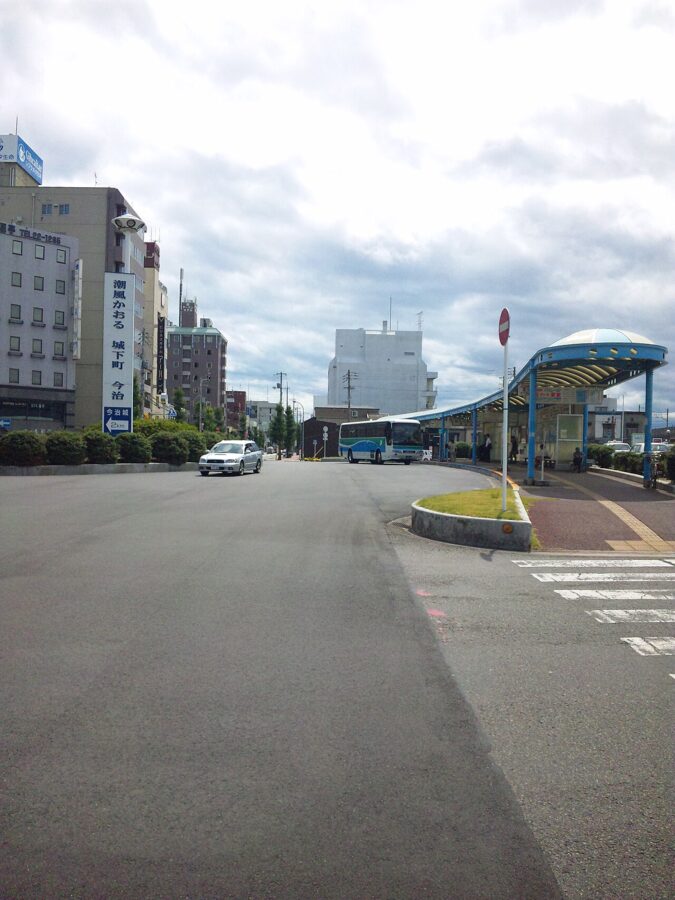
Rental bikes cannot ride these buses, but the bus can still save your legs: Omishima BS is next to Tatara Shimanami Park, so hand the bike in there and ride over the hill. The Setouchi Bus timetable (April 2026):
| Omishima BS to the shrine (about 12 min) | Shrine to Omishima BS and Imabari Station |
|---|---|
| Daily: 09:33, 10:33, 11:58, 13:08, 13:39, 14:18, 17:33, 18:43, 19:31, 21:13 | Daily: 06:30, 06:42, 07:42, 08:32, 10:02, 11:02, 12:32, 13:32, 15:02, 16:02, 18:02 |
| Weekdays only: 08:12, 15:13, 16:18, 20:13, 22:13. Weekends and holidays only: 15:48 | Weekdays only: 06:52, 17:02, 19:02 |
Two things catch people. On Saturdays, Sundays and holidays the last bus back towards Imabari is the 18:02, since the 19:02 runs on weekdays only. And on weekend afternoons nothing leaves between 16:02 and 18:02, so if you are still in the treasure hall at 16:00 on a Sunday, the next bus is two hours away.
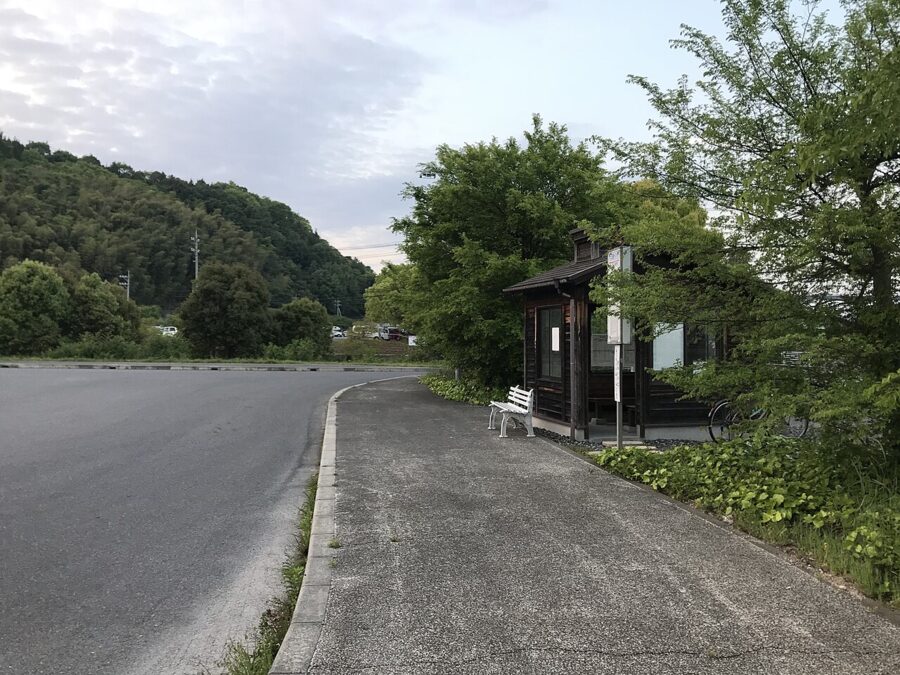
By ferry, for Okunoshima
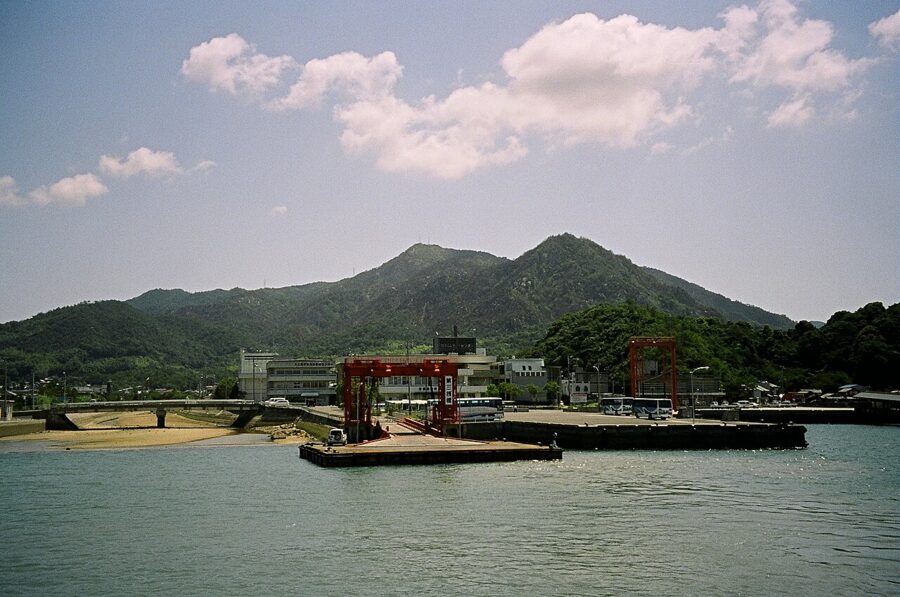
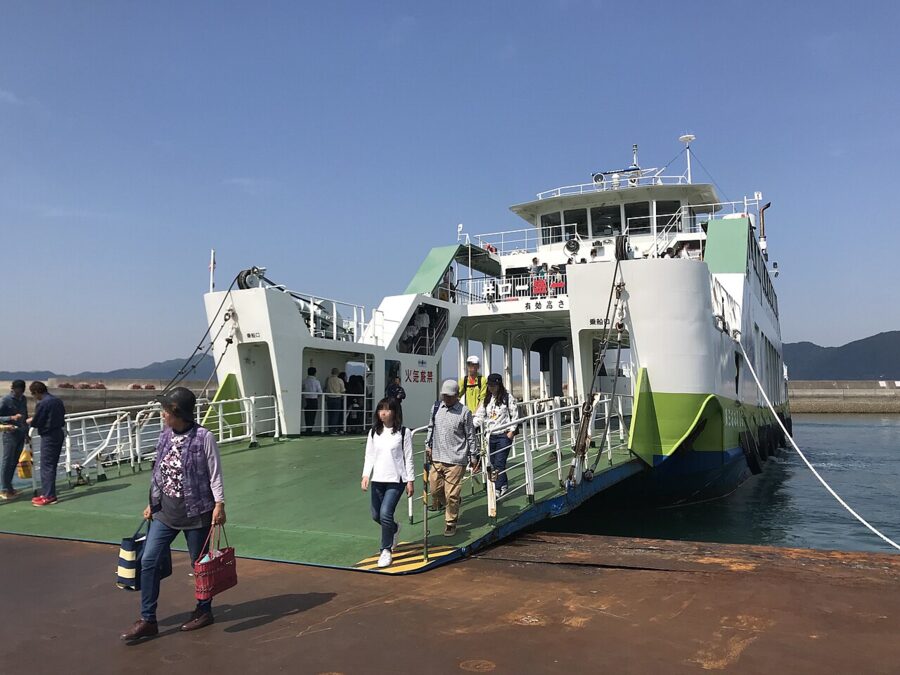
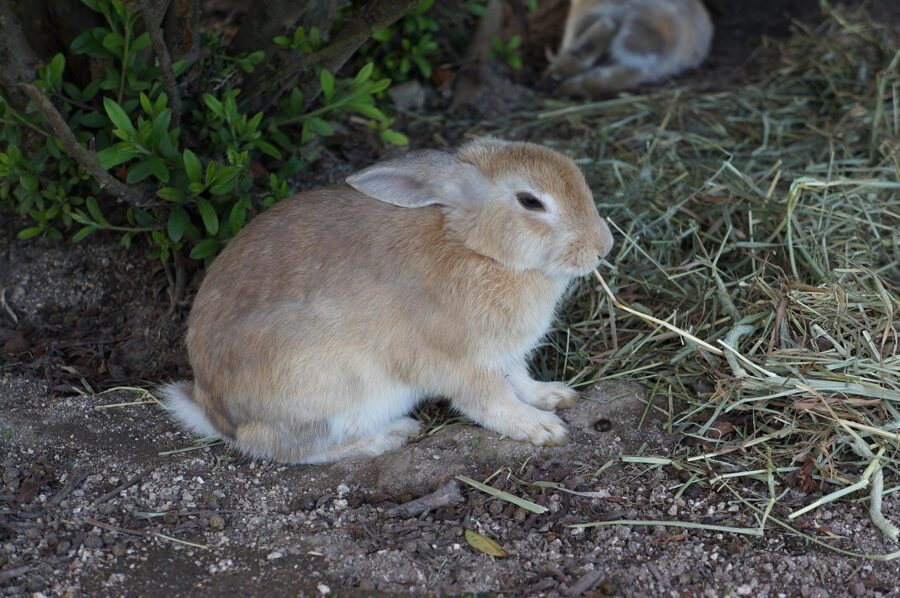
Sakari port (盛港), on the north coast about 8 km from the shrine, is where the Omishima Ferry leaves for Okunoshima and Tadanoumi on the Hiroshima coast. The ferry timetable shows ten sailings a day, most calling at the rabbit island about 15 minutes out, and bikes go on board. The Imabari buses do not run to Sakari, so it is a ride.
Whichever way you come, reach the shrine in the morning, see the grove before the coaches, and be in the treasure hall well before 16:00. The rice spirit only wrestles twice a year, but the camphor is there every day, and the 16:02 bus has you back at Imabari Station by 17:07.