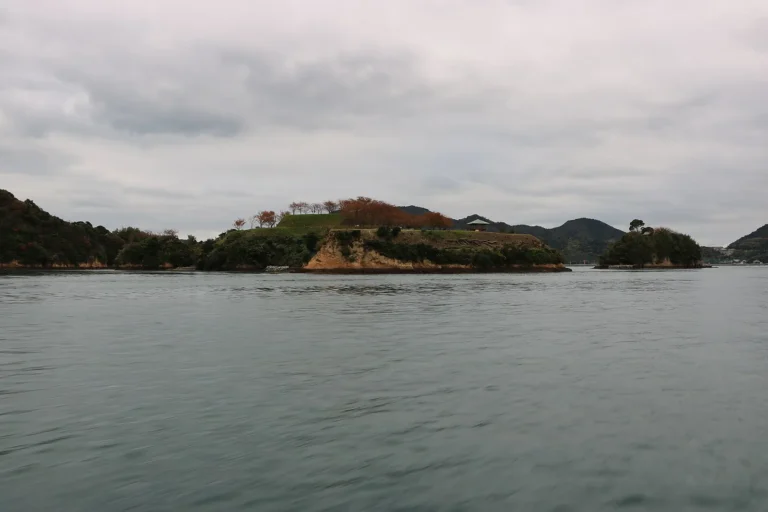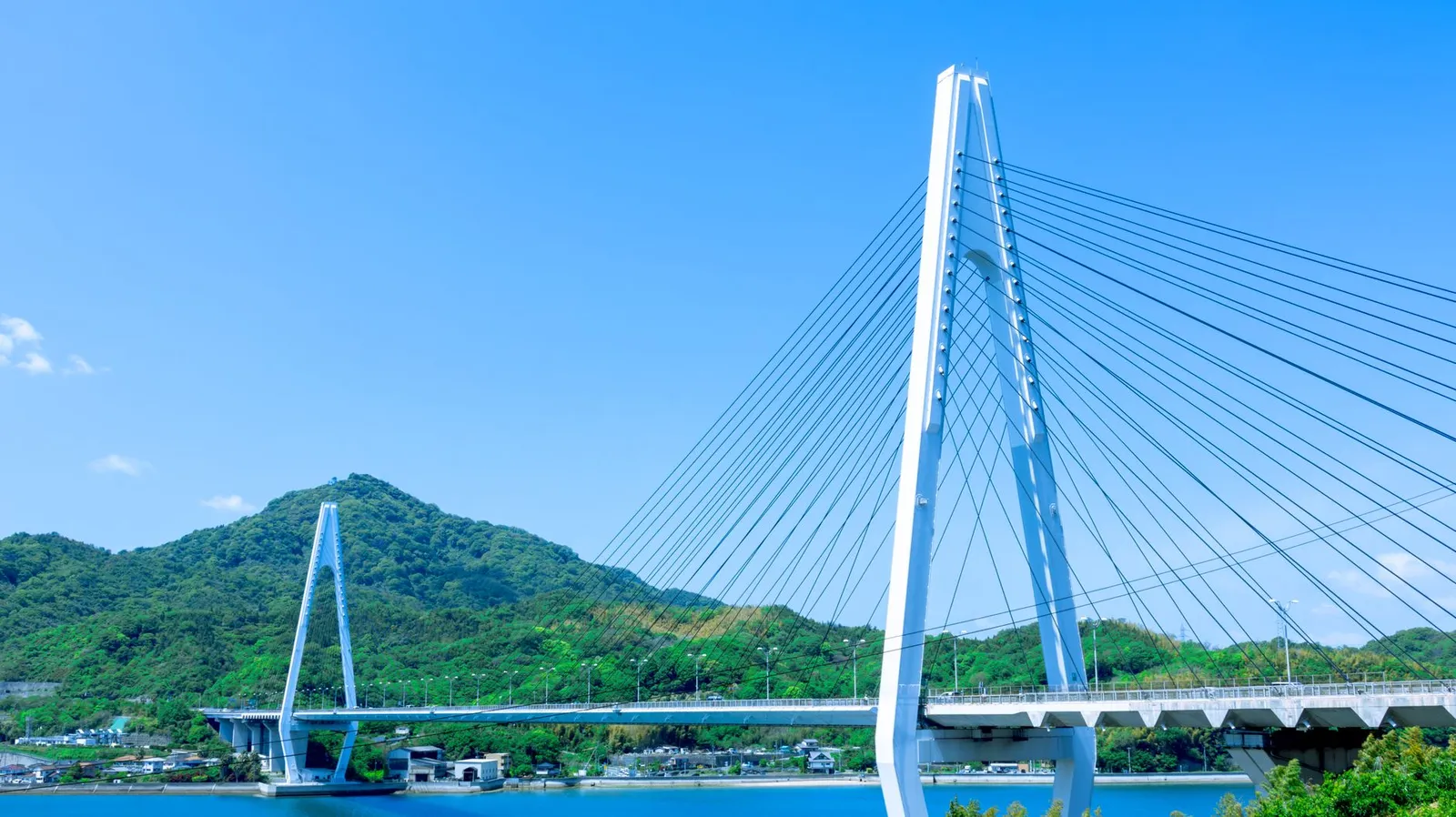
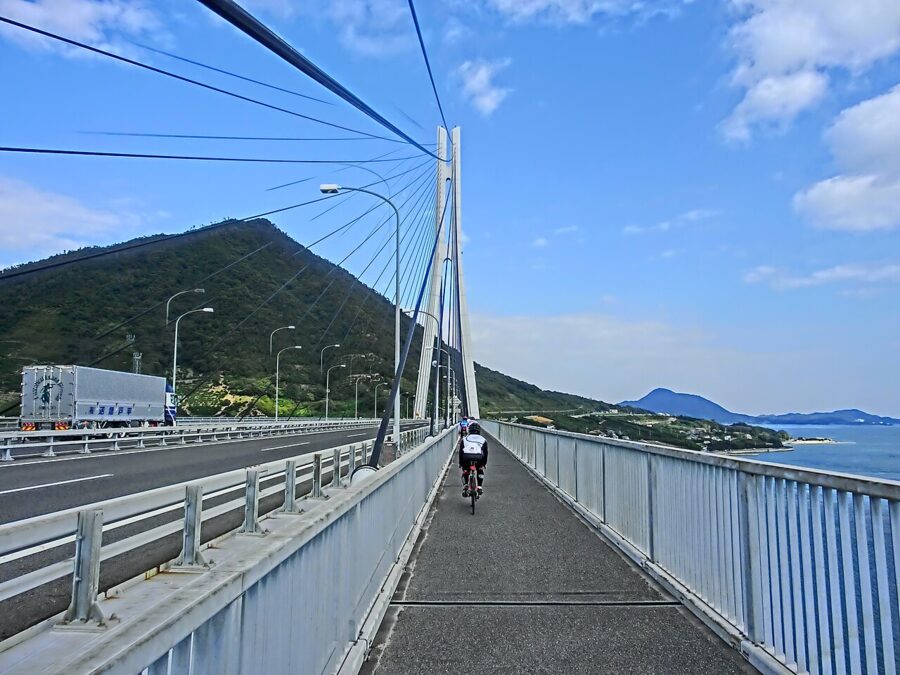
A puncture on Hakatajima, a suitcase still in Onomichi, a rented e-bike that belongs to a shop 40 km behind you, a headwind on the Tatara Bridge that has simply won: most riders on the Shimanami Kaido meet at least one of these, and most places to stay can help with none of them. WAKKA, on the shore at Inokuchi on Omishima, was built around those problems. It has rooms, a cafe and a pier, and a front desk that will send a van, a boat or a truck to wherever you are stuck.
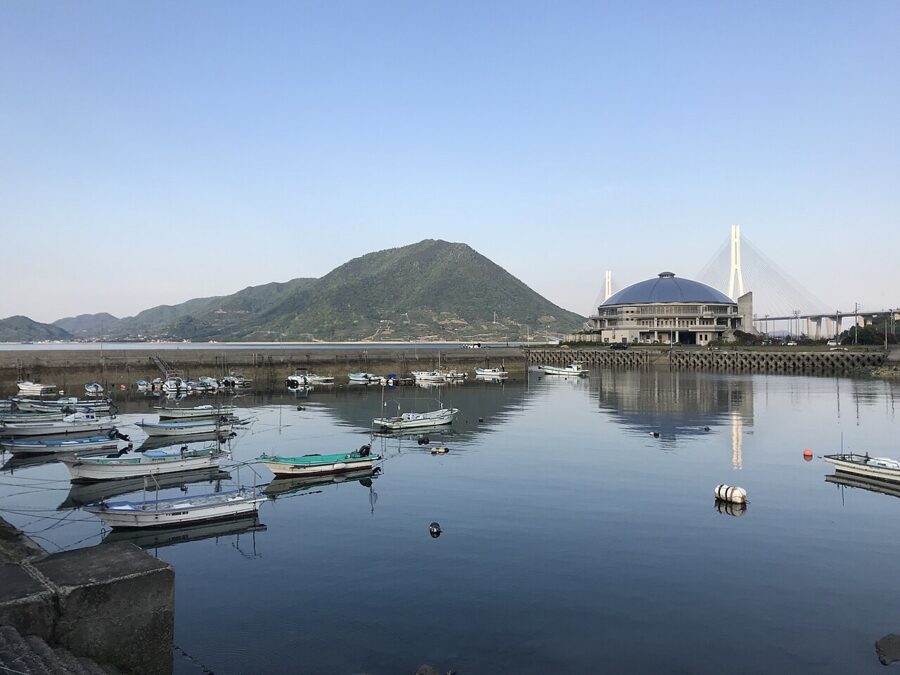
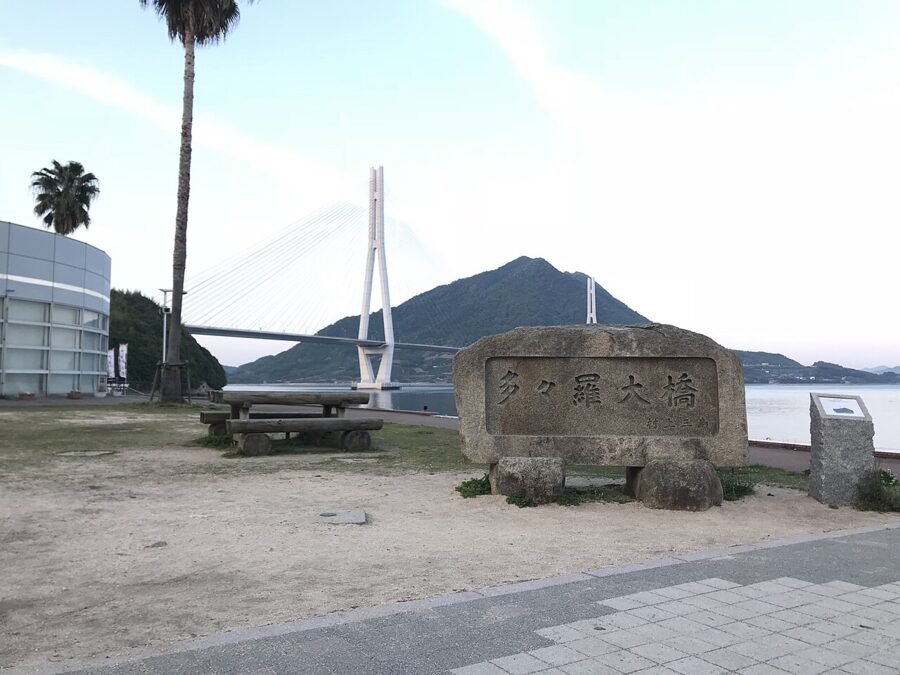
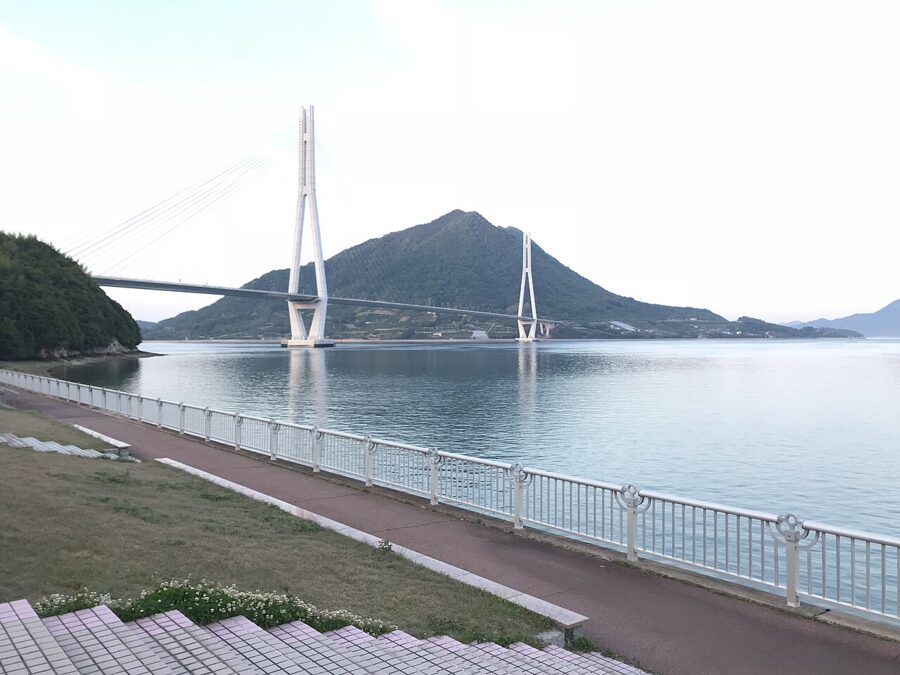
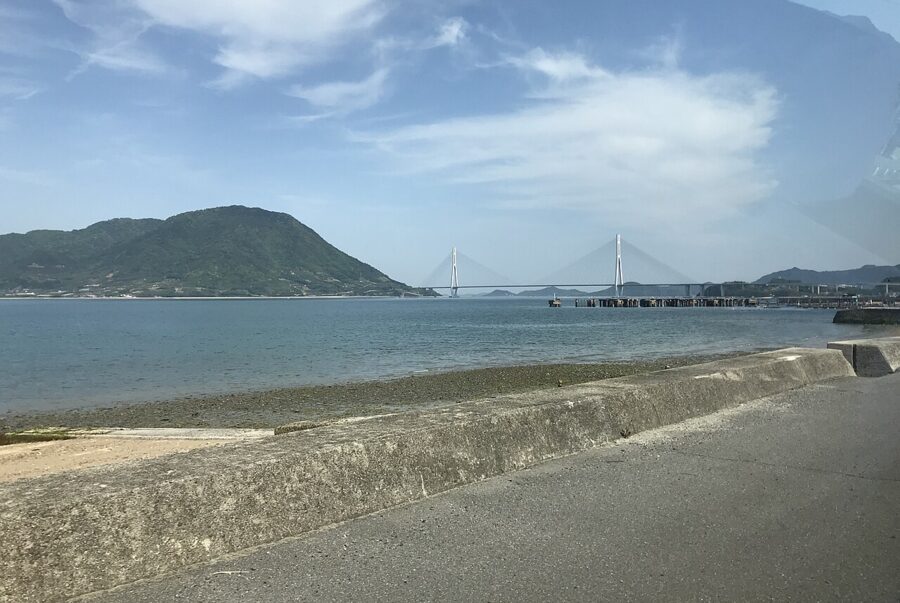
It sits a little past halfway along the route, about 40 km (25 miles) from Onomichi by the blue line and then 1.6 km (1 mile) north of it, on a former salt field facing the Tatara Bridge across the strait. Every room looks at the water. The prices do not pretend otherwise: a cottage for two with breakfast costs ¥37,000 to ¥51,000 (about US$250 to US$340) a night as of late 2026, and only the bunk rooms come in under ¥20,000.
So the question is not whether WAKKA is pleasant; guests agree that it is. The question is whether you will use what you are paying for.
Where WAKKA is, and how you get there
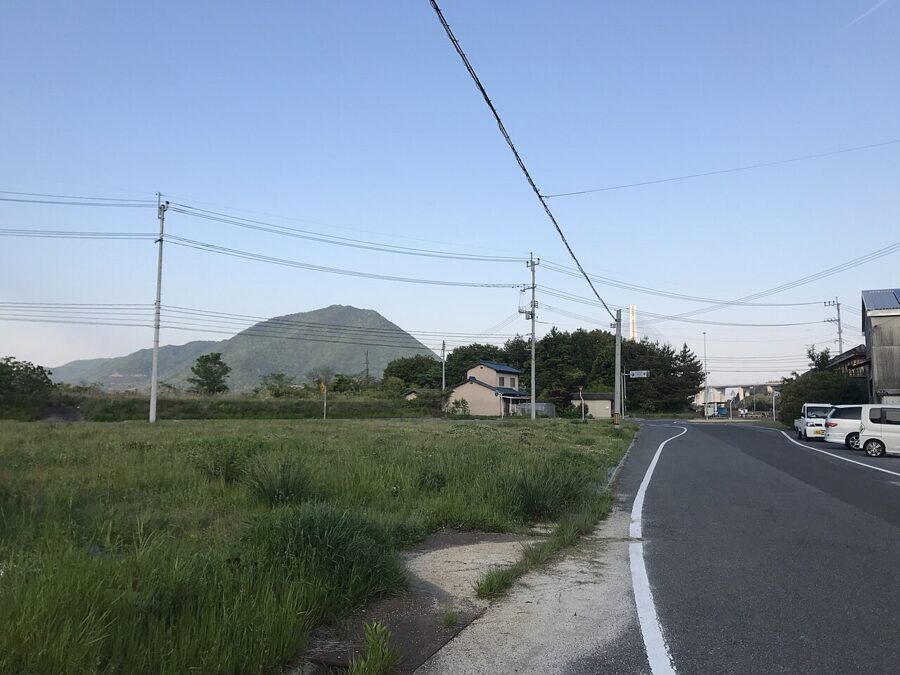
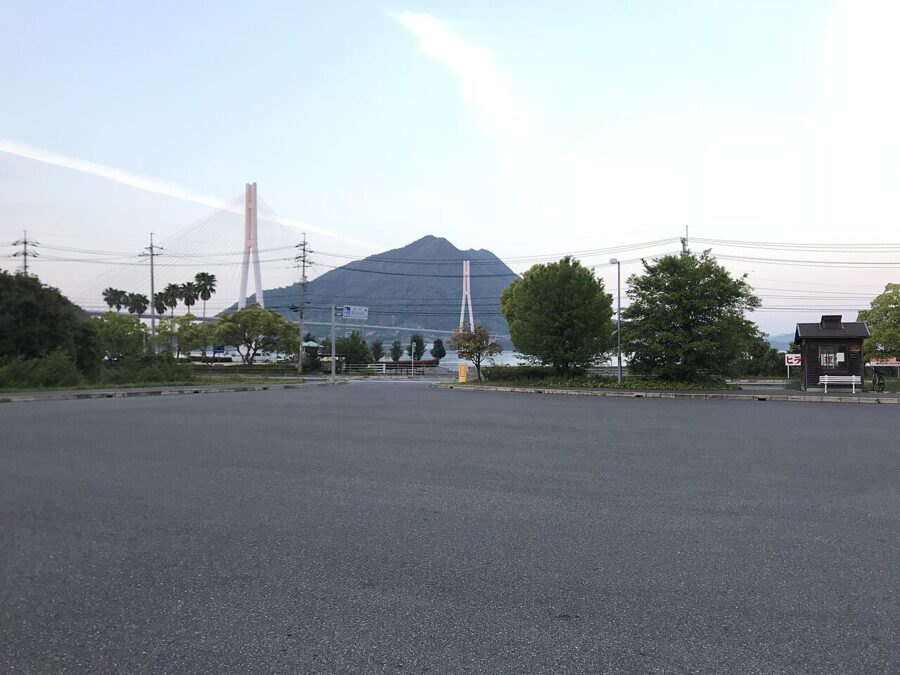
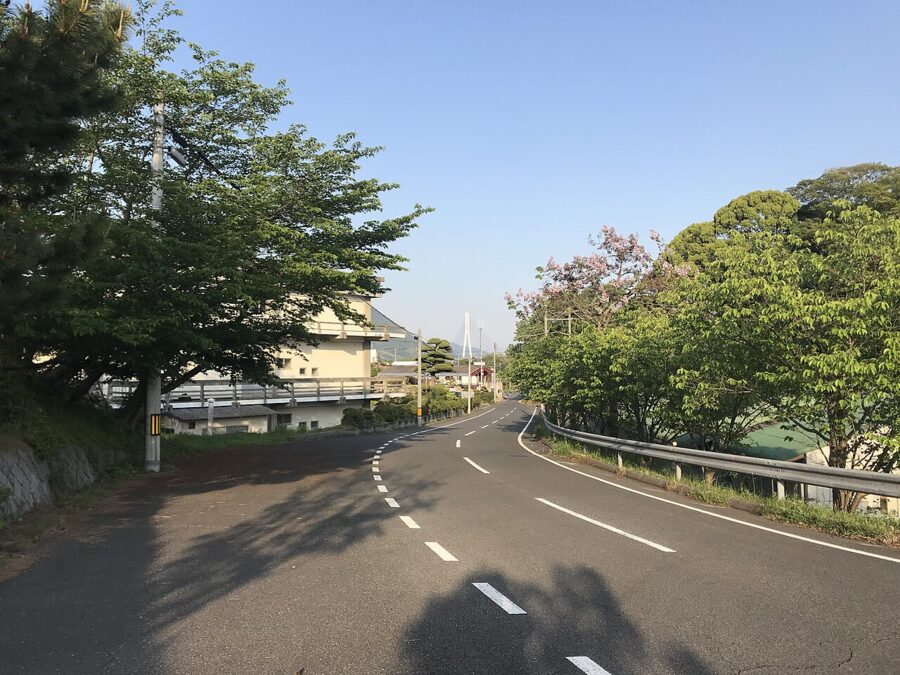
WAKKA’s address is 6691-1 Inokuchi, Kamiura-cho, Imabari (愛媛県今治市上浦町井口6691-1), on the east coast of Omishima. The cycling route comes off the Tatara Bridge at the roadside station Tatara Shimanami Park and turns south along the coast towards the Omishima Bridge. WAKKA is the other way: from the roadside station, ride north along the shore road through Inokuchi for 1.6 km, past Tatara Beach and the sports park, and it is on the sea side just before Inokuchi port.
The detour is flat and takes five or ten minutes, but you ride it twice, in and back out. Heading south the next day, WAKKA to the Omishima Bridge is about 6.4 km (4 miles), against 5 km from the roadside station.
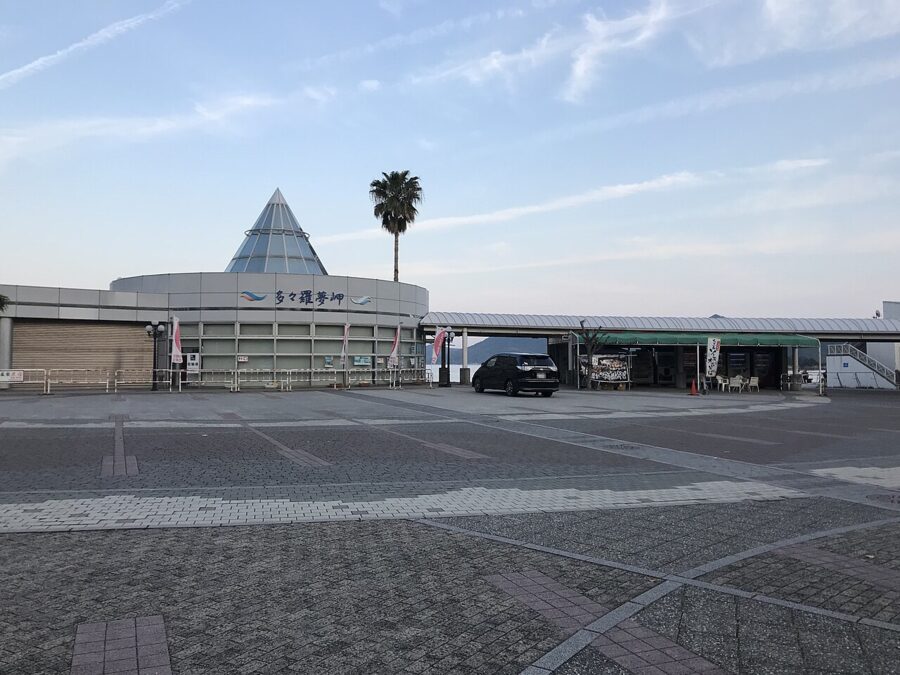
Riding from Onomichi, you reach Tatara Shimanami Park about 8.5 km (5 miles) after Setoda port on Ikuchijima, the bridge climb included. Riding from Imabari, you come off the Omishima Bridge, follow the blue line north up the Kamiura coast to the roadside station, and carry on past it.
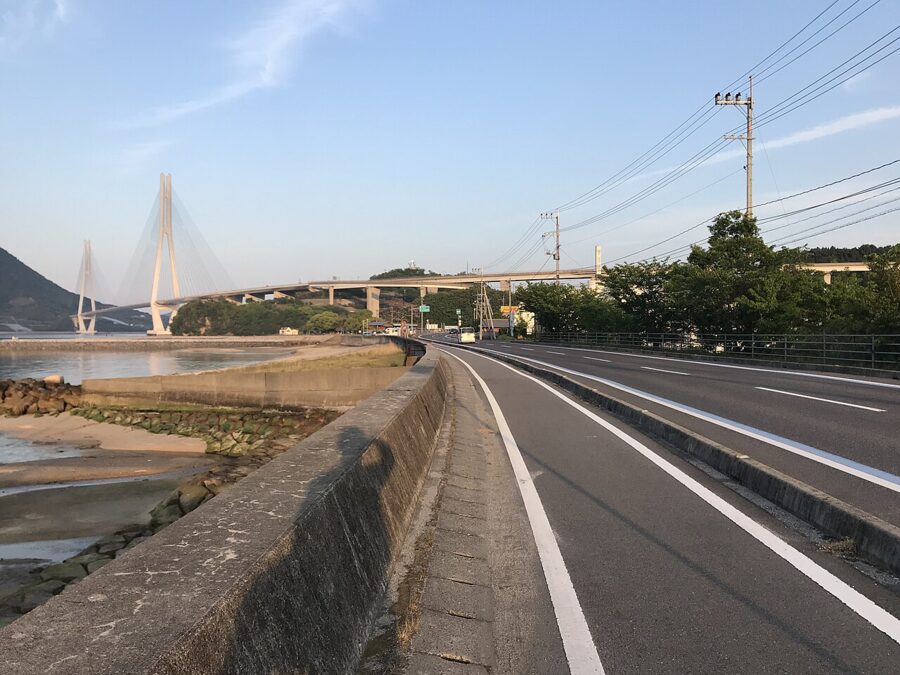
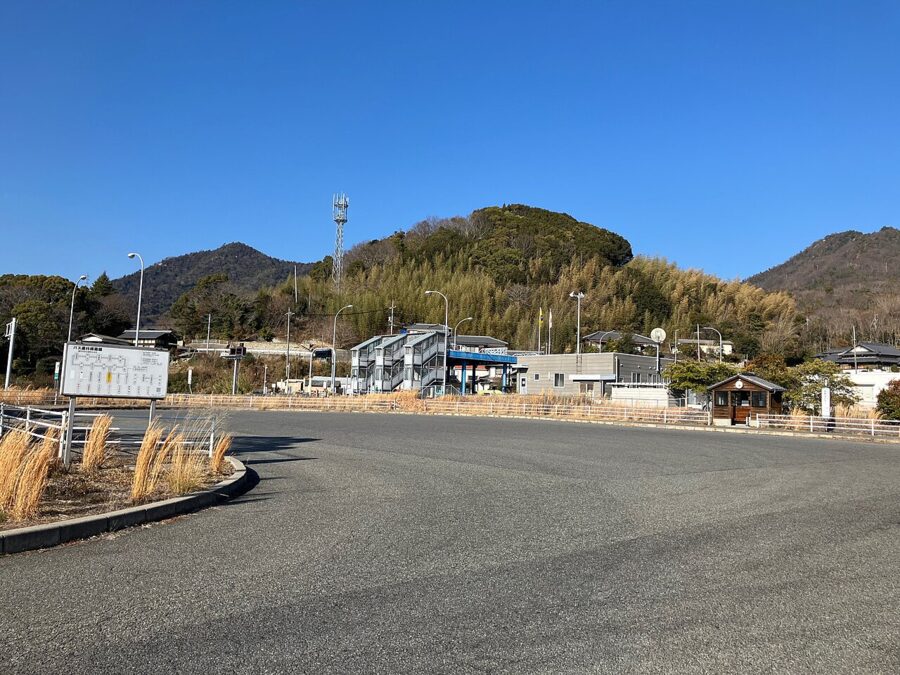
Without a bike, the highway buses stop at Omishima BS (大三島バスストップ), next to the roadside station. WAKKA says it can collect you before check-in or take you after check-out from Omishima BS, from the rental terminal at the roadside station and from Sakari port, where the ferry comes in from Tadanoumi and Okunoshima; ask when you book. By car it is a few minutes from the Omishima interchange, with parking for 24 cars and 10 motorbikes.
The rooms
WAKKA has five kinds of room, all facing the sea. For most riders the choice is between the cottages and the dome tents; the residences are the expensive end, the bunk rooms the cheap one, and the trailer is for groups.
These are the official booking engine’s prices for two adults with breakfast, per room and tax included, as of November 2026 for stays from December 2026 to July 2027. January was the cheapest month, and from April every date was at the top rate.
| Room | January | December, March | April to July | Sleeps |
|---|---|---|---|---|
| Residence | ¥62,000 | ¥74,000 | ¥82,000 | 3 |
| Cottage | ¥37,000 | ¥45,000 | ¥51,000 | 3 |
| Dome tent | ¥29,000 | ¥35,000 | ¥41,000 | 3 |
| Bunk room (whole room) | ¥12,000 | ¥14,000 | ¥16,000 | 4 |
| Areano Trailer (whole unit) | ¥90,000 | ¥90,000 | ¥110,000 | 8 |
For one person the same rooms cost ¥44,000 to ¥70,000 in a residence, ¥27,500 in a cottage in January, ¥20,500 to ¥29,500 in a dome and ¥9,000 to ¥11,000 (about US$60 to US$75) for a bunk room to yourself. Dinner adds ¥16,000 for two for the standard course and ¥24,000 for the premium one.
Residence
The three residences opened in March 2024 and are WAKKA’s best rooms: detached, 46 square metres inside with a 20 square metre deck, two beds and an extra bed for a third person. They are the only rooms with a bath, and the only ones with a washer-dryer, a kitchen and a small wine cellar of their own. You park the car beside the door, and the bike hangs on a rack inside where you can see it.
One 2026 guest review calls the washer-dryer the most appreciated amenity of the whole trip. At ¥82,000 (about US$550) for two in spring, though, it is priced against the best inns in Setoda, and Azumi Setoda or yubune give you the town and a proper bath for similar or less. Book a residence for the view and the space, not for value.
Cottages
The three cottages are cabins on the shore, two with beds and one with futons on tatami, each 20 square metres with an 18 square metre deck. They sleep two, or three with an extra bed or futon, and they are built so the bike comes inside with you or stands on the deck. Each has a shower and toilet, air conditioning, a fridge and a safe; the coin laundry is ¥550 a night.
For a couple on bikes this is the room to book. You get the view, a private deck for the evening, your own shower and space for two bikes, for a little under half the price of a residence. The catch is the bath: there is none, but cottage and dome bookings include a ticket for a public bath on the island, and WAKKA runs a free shuttle to a large bath three times a day.
Dome tents
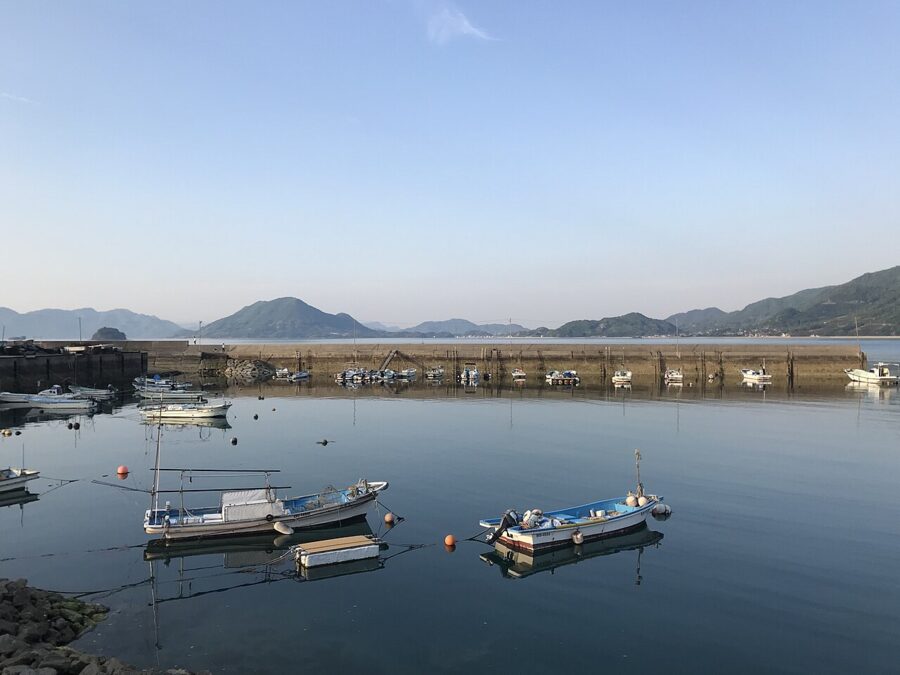
The two dome tents are glamping domes 5 m across with twin beds, a wooden door with an electronic lock, air conditioning and a private deck facing the bridge. A third person sleeps on a camp cot.
Read the small print before choosing one over a cottage. The toilet and shower are shared, about 50 m away, and the showers open from 15:00, so a night trip to the toilet means going outside. At ¥29,000 to ¥41,000 for two, a dome is ¥8,000 to ¥10,000 cheaper than a cottage on the same night; I would pay the difference in winter and take the dome in May.
Bunk rooms
WAKKA calls its four bunk rooms its dormitory, but each is let only as a whole room: two built-in bunk beds, four beds in all, with a safe, a socket and a USB port in each bunk, four bike hangers and an auto-locking door. Showers and toilets are shared, and there is no eating in the room.
Two things make it better than it sounds. From the evening until 06:00 the cafe becomes a free lounge for bunk-room guests, with a microwave, a kettle and sockets. And breakfast is served in the cafe, where WAKKA promises croissants from the oven and coffee with the sunrise over the strait. For four friends at ¥6,000 to ¥8,000 each (about US$40 to US$55), it is the best value on this stretch of coast.
Areano Trailer
The Areano Trailer, opened in March 2024 with the trailer-house company Areano, is two trailer houses and a large shared deck let to one group of up to eight. One trailer is an office with a meeting table and a screen, the other a living room with a full kitchen; each has four beds in bunks, a shower and a toilet, and the deck has a fire pit.
At ¥90,000 to ¥110,000 (about US$600 to US$730) for the whole thing, eight people pay about the same per head as two people in a cottage, and they can cook. It suits a club ride or two families, and nobody else.
Dinner, breakfast and the evenings
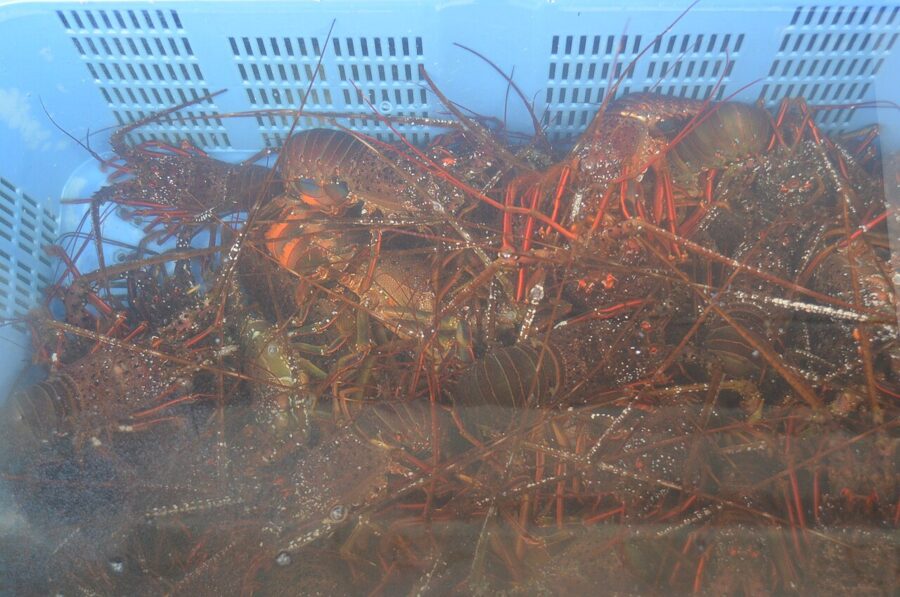
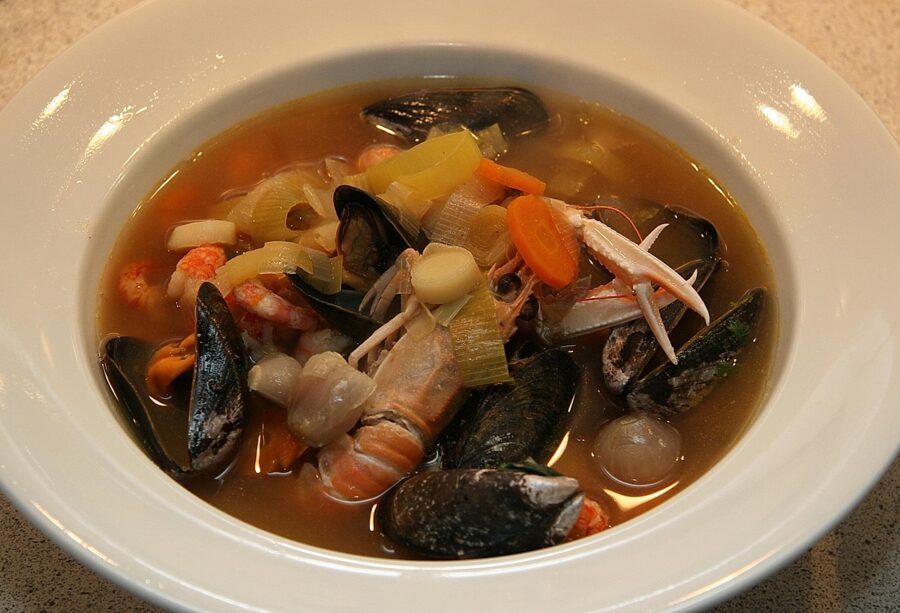
Every room comes with breakfast, served in the cafe. Dinner, on WAKKA’s meal plans, changes with the season. From spring to autumn it is a barbecue on your own deck, prepared and cleared by the staff: the standard course on a gas grill, the premium one over charcoal with Iyo beef and clay-pot rice. In winter the barbecue gives way to a bouillabaisse of local fish, with Ise lobster on the premium course, served in the glass-fronted cafe with a cheese risotto made from the broth.
The residences have a third choice, a Japanese tray dinner brought to the room: sea-bream rice, sashimi, a simmered fish, three small dishes, soup and dessert. For two the standard dinner adds ¥16,000, the premium course ¥24,000, and the Japanese dinner ¥24,000. If you book breakfast only and change your mind, dinner can be added up to three days before arrival.
The bunk rooms have no dinner plan. Bunk-room guests bring takeaway food or ride the free shuttle to a restaurant on the island, which runs three times a day; arrange it at check-in. The cafe counter sells drinks until 21:00. You cannot bring a barbecue or a stove of your own; only the residences and the trailer have kitchens.
WAKKA Cafe
The cafe is open to anyone, and you can wheel the bike in and park it beside your table. It has 60 seats, 24 inside and 36 on the terrace looking at the bridge, with sockets and free Wi-Fi, and you order at the counter. The coffee was devised with a barista WAKKA counts among Japan’s best.
Hours run by season. In summer it is open 11:00 to 16:00, with the last food orders at 14:00 and drinks at 15:30; in winter 11:00 to 15:00, last drinks at 14:30. WAKKA’s cafe page still gives Tuesday as the closing day, but through 2026 the monthly notices had it open Wednesday to Sunday, closed on Mondays and Tuesdays, and in March it opened at weekends only. Check the cafe’s latest notice, such as the September 2026 opening days, before planning lunch around it; the hotel and the cycling services keep working when the cafe is shut.
Lunch sets with a side, soup, salad and a drink cost ¥2,300 (about US$15): an Ehime beef curry with island mandarin chutney, a panini, or vegetable versions of both. Espresso is ¥450, a latte ¥650, a waffle with Omishima honey ¥1,350, and Omishima Brewery’s craft beer ¥1,200. Tables can be booked on weekdays only.
The rider services
No other place on the route matches this part of WAKKA. Its cycling support runs to a dozen services, most of them open to riders who are not staying, and in December 2025 they won a Regional Revitalisation Minister’s Award at the fifth Japan Service Awards, listed by the Shikoku Bureau of Economy, Trade and Industry as twelve kinds of cycling support. The office is open 09:00 to 18:00 and closes on Tuesdays, except for hotel guests. You call, or send your location on LINE (@wakka) or Facebook Messenger, and someone comes.
Bike-carrying taxis
WAKKA runs its own cyclists’ taxis, from 09:00 to 19:00. The large van carries five bikes inside, out of the rain, with five passengers; the compact SUV carries three on the roof. They charge the metered taxi fare plus expressway tolls, and WAKKA’s own examples for the small car are about ¥8,000 from Omishima to Ikuchijima, ¥13,000 to Mukaishima and ¥14,000 (about US$93) to Imabari.
There is a legal limit you need to know. The licence requires every ride to start or finish on Omishima, Hakatajima or Oshima (大島, Imabari), so WAKKA cannot take you from Onomichi to Imabari, or between two Hiroshima islands. The fix for that is the boat.
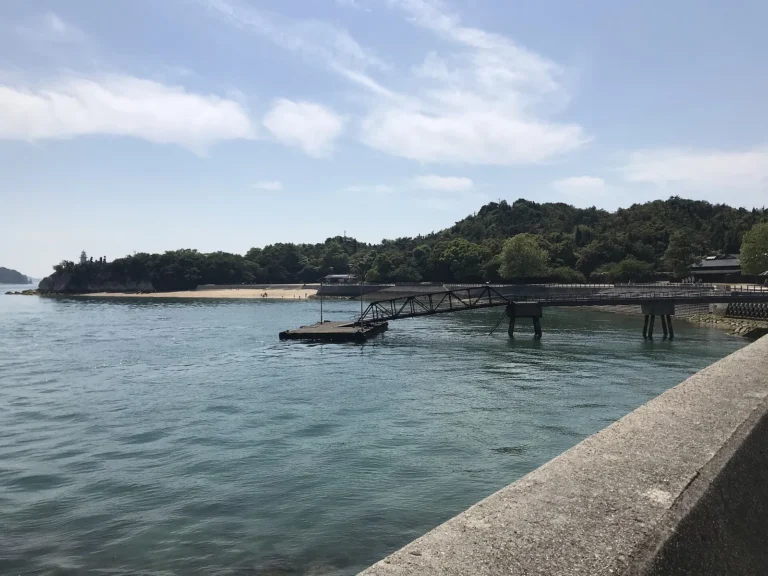
The sea taxi
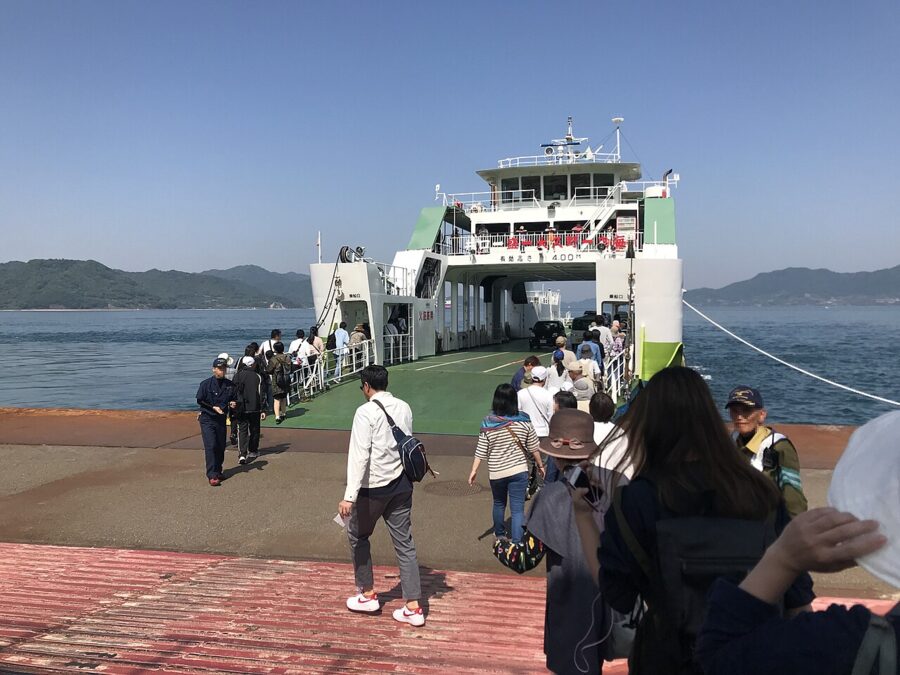
The sea taxi leaves from WAKKA’s pier with up to five bikes and five people, and runs until sunset. Fares are per boat for up to four people, one way, bikes free, and more for five to nine.
| From WAKKA to | Ports included | Fare per boat |
|---|---|---|
| Omishima area | Setoda, Okunoshima | ¥8,000 |
| Hakata area | Arizu, Kinoura, Miyakubo | ¥13,000 |
| Kamijima | Habu, Iwagi, Ikina, Yuge | ¥13,000 |
| Innoshima and Mihara | Shigei, Mihara, Sagishima | ¥15,000 |
| Onomichi | Onomichi Station pier | ¥20,000 |
| Kure side | Munakata, Okamura, Mitarai, Osakikamijima | ¥20,000 |
| Imabari | Shitadami, Hashihama, Imabari port | ¥20,000 |
Split four ways, Onomichi to WAKKA by boat is ¥5,000 (about US$33) each, the one way to skip half the route with a bike and no timetable. It also opens the islands off the route: Okunoshima, the old port of Mitarai, or the Kamijima islands.
Same-day luggage and bike delivery
WAKKA’s same-day delivery prices by the light truck, not by the bag: up to about ten bikes or twenty small suitcases for one fare between two points. It will also go beyond the route, to Matsuyama, Fukuyama or Kure, for a surcharge.
| Between | Fare per truck |
|---|---|
| Omishima and Ikuchijima, or Omishima and Hakatajima | ¥4,500 |
| Omishima and Innoshima, or Omishima and Oshima | ¥7,500 |
| Omishima and Onomichi, Mukaishima or Imabari | ¥10,000 |
| Onomichi and Imabari | ¥13,000 |
Deliveries to or from WAKKA get ¥1,000 off the ¥10,000 band; collections outside 09:00 to 18:00 cost ¥1,000 an hour, and a same-day cancellation is charged in full. For a single bag the courier services in Shimanami Kaido luggage and ferries are cheaper; WAKKA wins when there are several of you, or when it is a bike you are sending.
Returning a rental bike for you
This is the service that changes what you can rent. The public rental network already takes its bikes back at any of its ten terminals, so you do not need WAKKA for those. The private shops are another matter: Giant’s e-bikes and cross bikes must go back to the store they came from, and most of Onomichi’s independent shops want their bikes back at their own door.
WAKKA’s return service meets you where your ride ends, checks the bike, and trucks it back to the shop. Its partners include both Giant stores, CYCLEFIX in Imabari, Ryokan Sawaki on Omishima, and in Onomichi The Red Bicycles, Better Bicycles, Onomichi Base and LORO Cycleworks among others. You pay the truck fare from the table above, plus ¥500 a bike for a road or cross bike and ¥1,000 for an e-bike or city bike, with ¥1,000 off the dearer bands for hotel guests.
Book it with the rental, not on the day; WAKKA warns that same-day requests often cannot be met. The bike has to be in WAKKA’s hands by 16:00 to reach the shop before its own deadline, or the shop charges another day.
Rental e-bikes and the two-day package
WAKKA’s own rental bikes are Specialized Turbo Vado SL e-bikes, for ¥4,000 for four hours, ¥8,000 (about US$53) for a day or ¥15,000 (about US$100) for two days, with helmet, lights, lock and insurance. Riders must be at least 149 cm tall. There is also one kids’ e-bike for children of 130 to 145 cm and a trailer for children aged one to six.
The two-day hire is the useful one, because the public network’s e-bikes must be back the same day. WAKKA builds a package on it for hotel guests, Ride & Delivery: the e-bike is waiting at Onomichi or Imabari Station, your luggage goes to WAKKA and on to the far station the next day, and the bike is collected where you finish. It costs ¥30,000 (about US$200) for one rider, ¥42,000 for two and ¥54,000 for three, before the room.
Repairs and the self-service workshop
WAKKA’s roadside repair comes out to punctures, chains, brakes and gears, as a get-you-home fix. The call-out, labour included, is ¥3,000 (about US$20) on Omishima, ¥4,000 on Ikuchijima and Hakatajima, and ¥5,000 on Mukaishima, Innoshima and Oshima, plus parts: ¥1,300 for a tube. It does not touch the public rental bikes, which you swap at any terminal instead.
At WAKKA itself the repair pit lends tools free to anyone, from a track pump and work stand to a chain tool and a brake-piston press; tubes are ¥1,000 at the desk. There is also a free changing room, a shower for ¥550 and a refresh pack for ¥990 (about US$7), from 10:00 to 15:00, which gets you a shower, loan clothes and your kit washed and dried while you sit in the cafe.
The rest
WAKKA will also drive your car to wherever your ride ends, with a week’s notice, for ¥6,000 between neighbouring islands up to ¥16,000 from Onomichi to Imabari, plus insurance and tolls. It runs a support van for groups and Hello Cycling e-bike share stations, one of them at Sakari port, and its desk books short cruises, fishing and trips to Okunoshima.
Who runs it
WAKKA is run by Wakka Co., Ltd. (株式会社わっか), set up in June 2018 by Arashi Murakami, who had run an IT business and whose grandfather lived on an island in the Seto Inland Sea. He had come to the islands to ride, and the cycling support began in 2018, before the hotel opened in March 2020.
Its guests are unusually international: in a 2024 interview Murakami put overseas visitors at more than 30 per cent, and the desk works in English.
WAKKA, I-LINK and the other beds by the bridge
The obvious comparison is I-LINK Hostel & Cafe Shimanami, the pink cyclists’ hostel a minute from the roadside station, also in Inokuchi. I-LINK is on the route, has single rooms, twins and dormitory beds with lockers, lets you ride straight in, and serves lunch and dinner in its cafe; it does not do breakfast. For a solo rider who wants a cheap bed, a hot dinner and an early start over the bridge, I-LINK is the better buy.
| WAKKA | I-LINK Hostel | Tatara Campground | Ryokan Sawaki | |
|---|---|---|---|---|
| Where | Inokuchi, 1.6 km off the route | Inokuchi, by the roadside station | Beside the bridge | Miyaura, by the shrine |
| Beds | Residences, cottages, domes, bunk rooms, trailer | Singles, twins, dormitories | Pitches and bare huts | Japanese inn rooms |
| Meals | Breakfast; dinner on most plans | Cafe lunch and dinner, no breakfast | Self-catering | Seafood dinner and breakfast |
| Bike | In the room or on the deck | Ride in | By the tent | Indoor store |
| Rider services | Taxis, boat, trucks, repairs | Basic | None | Pump, tools, e-bike hire |
Tatara Campground, at the foot of the bridge, is the cheapest roof, with air-conditioned huts that have no bedding, toilet or kitchen. Across the island in Miyaura, Ryokan Sawaki puts you three minutes from Oyamazumi Shrine with a seafood dinner and an indoor bike store. Back on Ikuchijima, Setoda has the widest choice in where to stay on the Shimanami Kaido and puts the Tatara climb at the start of your second day instead of the end of your first.
Where WAKKA wins is everything around the bed. If your trip needs a van, a boat or a truck, the higher room price buys it.
Who it suits, and who it does not
WAKKA suits couples and small groups riding over two or three days who want a quiet evening by the water and will use at least one of the services: Ride & Delivery, a boat to skip a stretch, a truck for the bags. It suits families, with a kids’ e-bike, a child trailer and bunk rooms that take two adults and two children.
It suits less well the solo rider on a budget, who will do better at I-LINK or a Setoda guesthouse, and anyone who wants a hot bath at the end of the day without a shuttle ride; only the residences have one. Riders doing Onomichi to Imabari in a single day have no reason to stop. Pets are not allowed.
On value, the bunk rooms are cheap for four, the cottages and domes fair for the view and the deck, and the residences dear unless the in-room washer-dryer and kitchen will earn their keep over several nights. Guests’ reviews from 2025 and 2026 single out the staff, the generous meals and the way the bikes and bags simply turn up, and that is the right way to see the place.
Booking, arrival and the practical details
Book direct on WAKKA’s official booking page, which moved to a new system in October 2026 and comes with a best-rate guarantee: find the same room cheaper elsewhere within 24 hours of booking and WAKKA matches it. Book the Ride & Delivery package and any bike return at the same time.
- Cancellation: 20 per cent from seven days before, 50 per cent from three days, and the full price the day before, on the day or for a no-show. Three or more rooms count as a group, with charges from 30 days out. If you booked on the old system, cancel through the link in your confirmation email, as WAKKA’s booking-system notice explains.
- Check-in: from 15:00, by 20:00 on breakfast plans and by 17:00 on most dinner plans. Check-out is 10:00. Bags can be left before and after.
- What to bring: your own toothbrush and razor, since disposable toiletries were dropped in 2023; towels, shampoo and soap are provided, and loungewear in every room except the bunk rooms, where it is lent on request.
- The bike: inside the cottages, residences and bunk rooms, on the deck of a dome, or in the 30-bike park with a shoe rack for your cleats.
- Payment: cards, e-money or cash, with a currency-exchange machine at the desk.
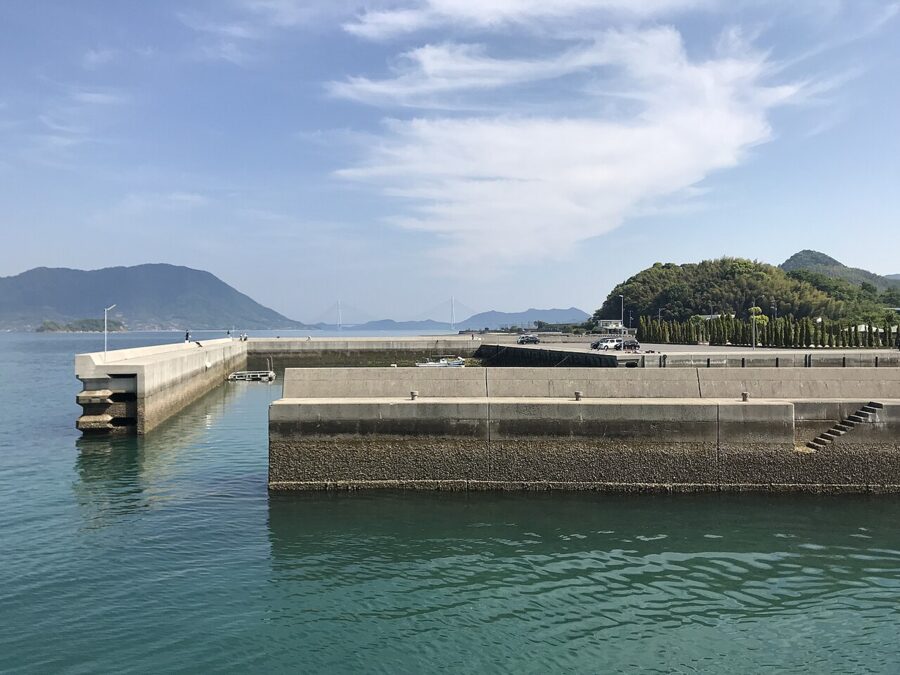
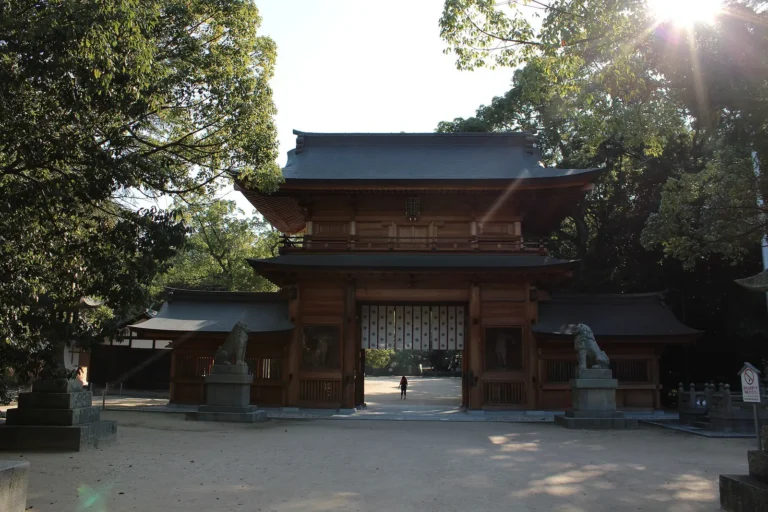
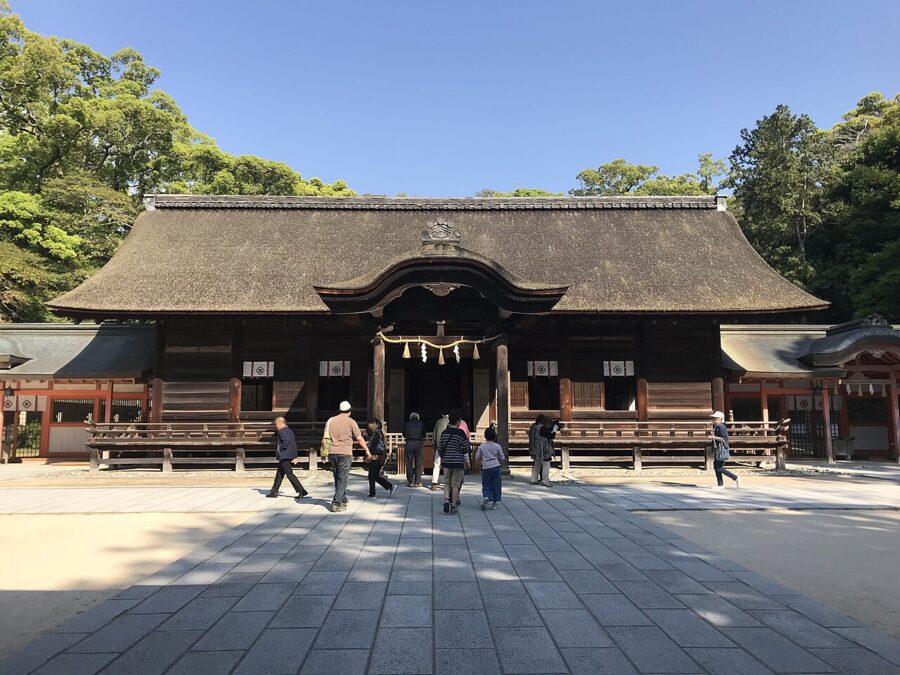
Arriving by ferry at Sakari, ride south-east round the coast for about 3.9 km and WAKKA is on the left just past Inokuchi’s harbour. From WAKKA, Oyamazumi Shrine is 5 to 7 km over the hill, depending on whether you take the road or the island’s cycleway, so a night here leaves the morning for the shrine before you ride south.
Back to that headwind on the Tatara Bridge, then. If it is the kind of trip where something is likely to go wrong, book a cottage at WAKKA, put its number in your phone, and leave the problem on the far side of the bridge with them. If nothing will, take the bunk room with three friends, or ride on to Setoda.