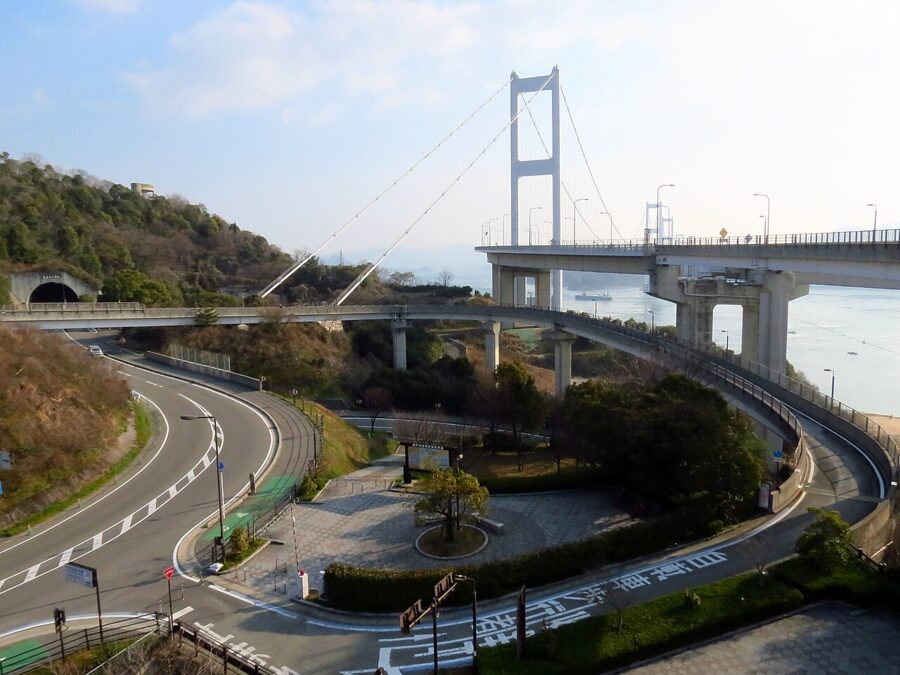
The cycle path off the Kurushima-Kaikyo Bridge does not put you down in Imabari. It spirals down a concrete loop onto Itoyama, a headland on the city’s northern edge, and leaves you beside a rental counter, a car park and a closed hotel, with the whole strait behind you and the town still out of sight.
This is where most people finish the Shimanami Kaido from Onomichi, and the first decision comes before the helmet is off: hand the bike in here, or ride the last few kilometres into town and give it back at the terminal beside the station. Hand it in here if you are tired, wet or catching a train tonight. Keep it if you want the castle, the port and a griddled-chicken dinner, because all three are flat and much closer to the station than to the bridge.
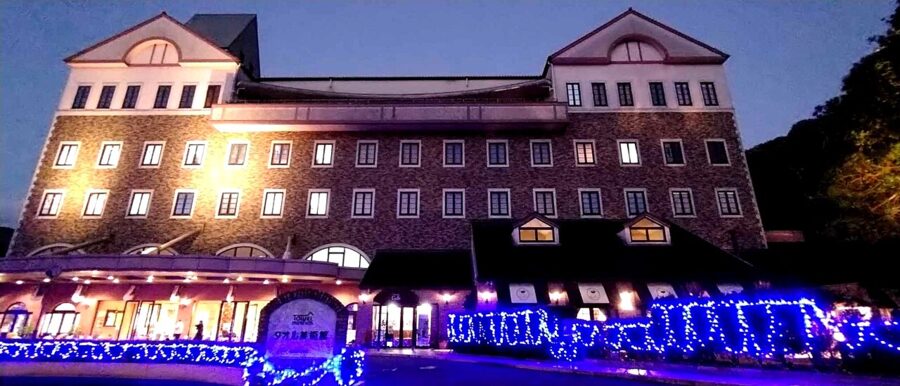
Plan the evening with one change in mind. Sunrise Itoyama, the cycling terminal and hotel that gave this spot its name on most maps, closed for good on 31 March 2026. The rental counter beside it still works, but there is no longer a bed or a hot meal at the end of the bridge, so the night is in town.
In this guide8
- Sunrise Itoyama and the end of the bridge
- Imabari Castle and its sea-water moat
- Towels, in outline
- What to eat: griddled yakitori and yakibuta tamago meshi
- The port and the boats to the small islands
- Leaving Imabari: Matsuyama and Dogo Onsen, or back to Onomichi
- Where to stay, by kind
- A sensible half day in Imabari
Sunrise Itoyama and the end of the bridge
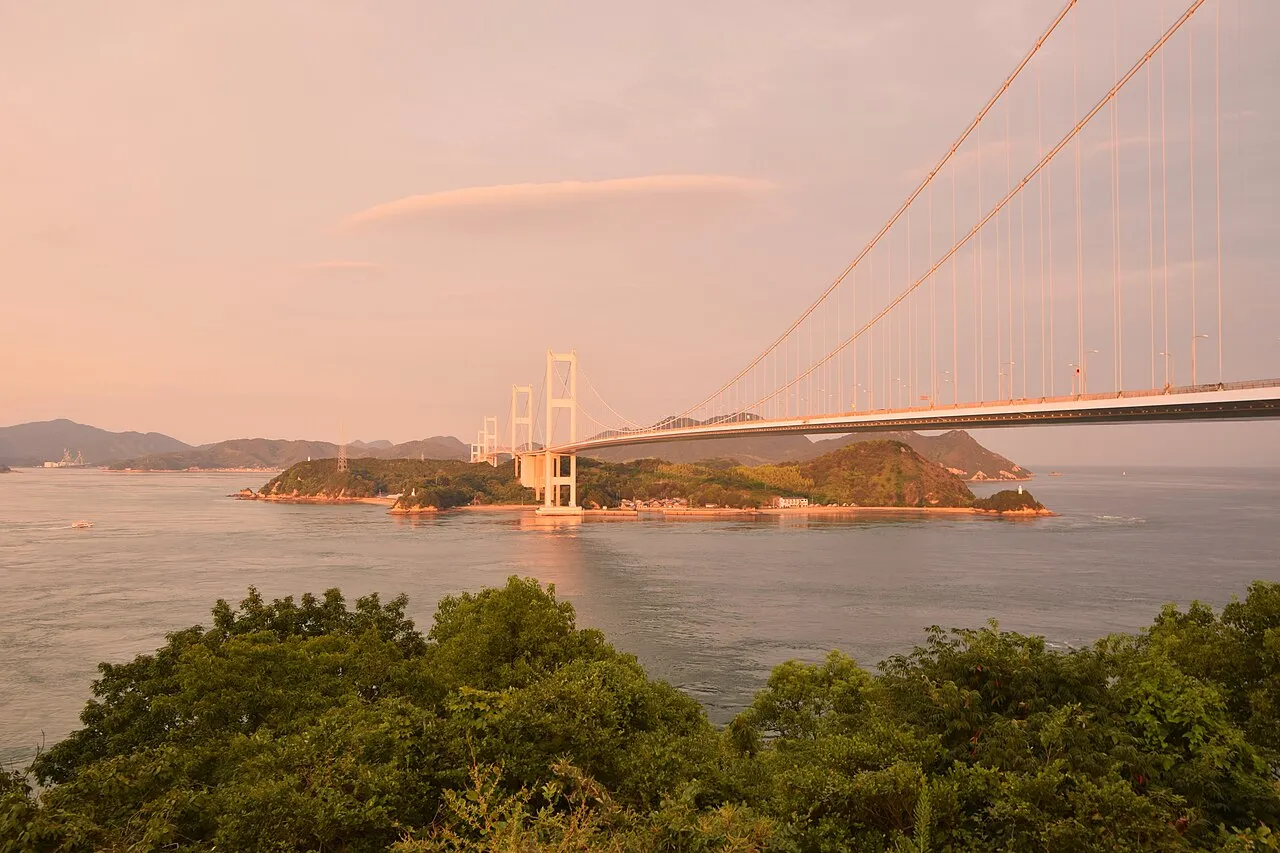
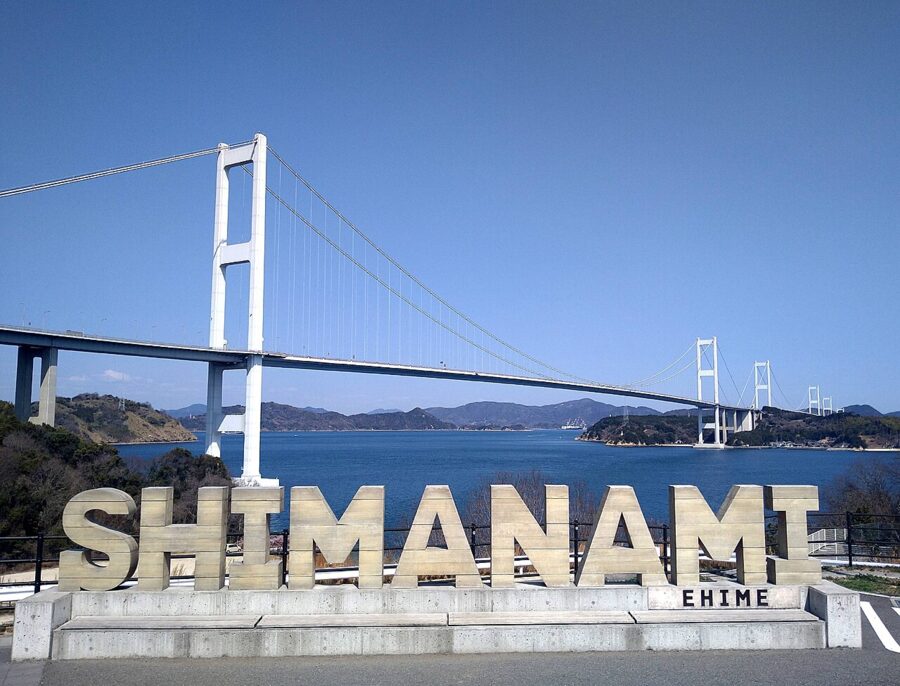
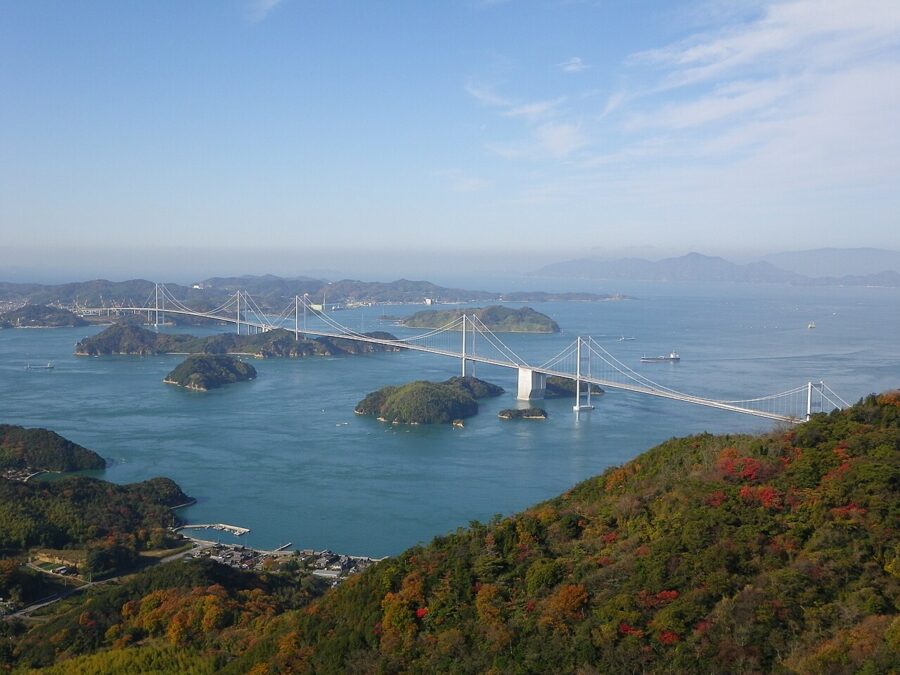
The Kurushima-Kaikyo Bridge (来島海峡大橋) is three suspension bridges in a row, 4,105 m (2.6 miles) in all, carrying the road from Oshima (大島, Imabari) to Shikoku by way of two small islands, Takeshijima and Umashima. It opened on 1 May 1999 and its main towers rise about 180 m. The bridge’s own story is a good one, but on a bike what matters is simpler: it is the last and longest crossing of the day, it is high, and it catches the wind.
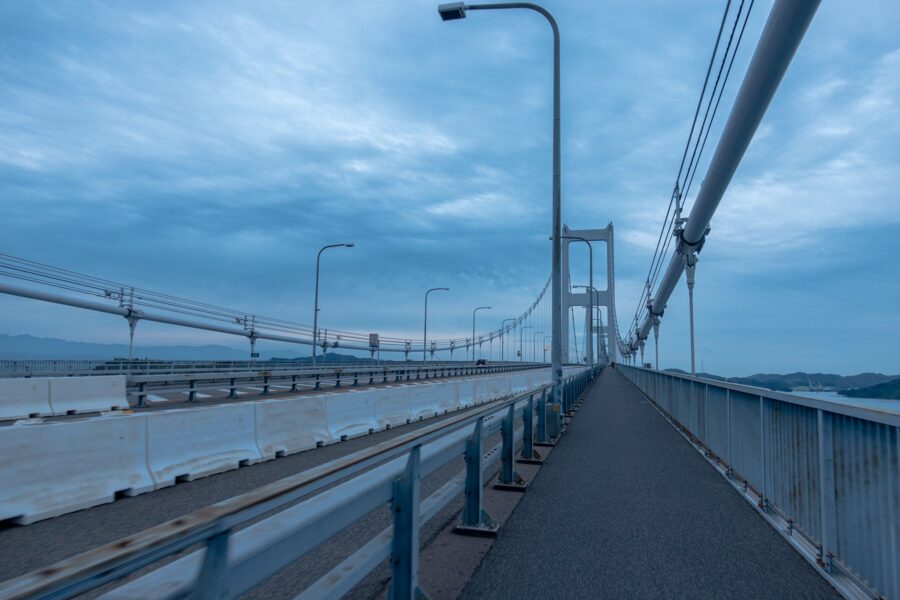
Cyclists cross every Shimanami bridge free, a waiver that has run since July 2014 and has been extended to 31 March 2028. Mopeds still pay. If the wind is strong enough to push the bike sideways on the high middle spans, get off and walk; nobody minds, and the view is better at walking pace anyway.
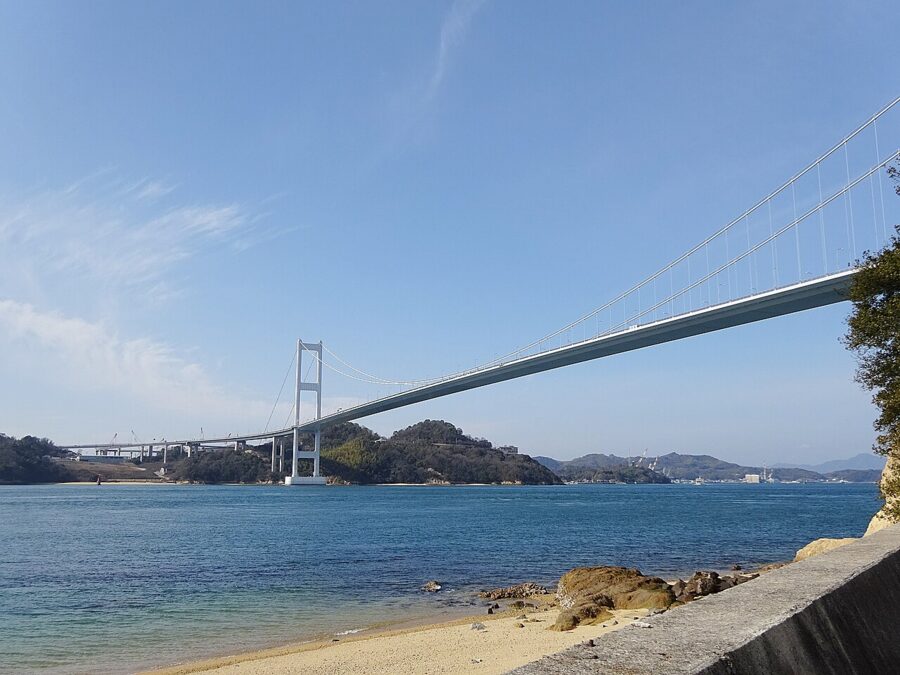
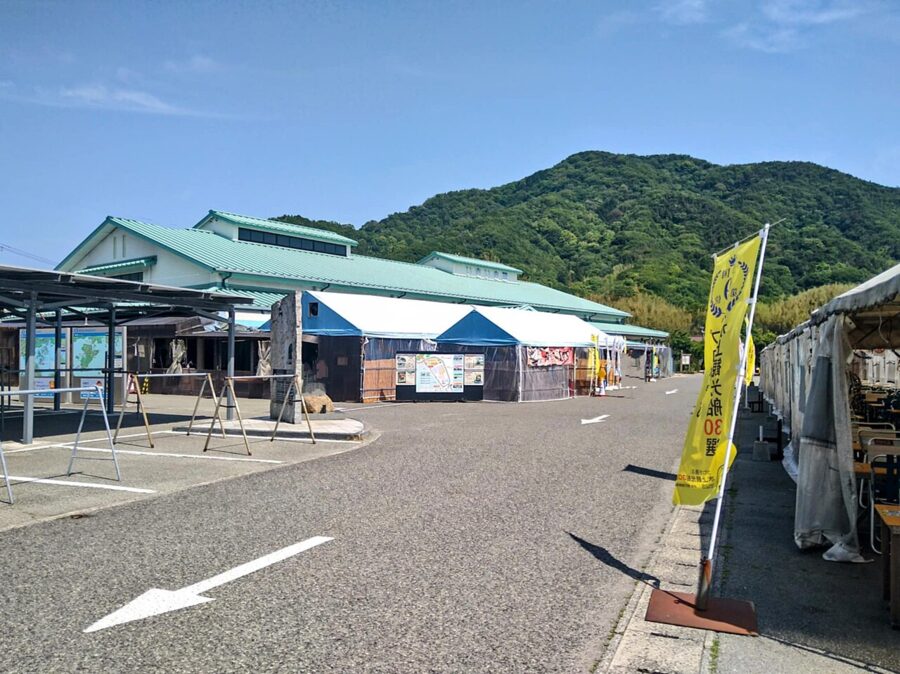
The rental terminal at Itoyama
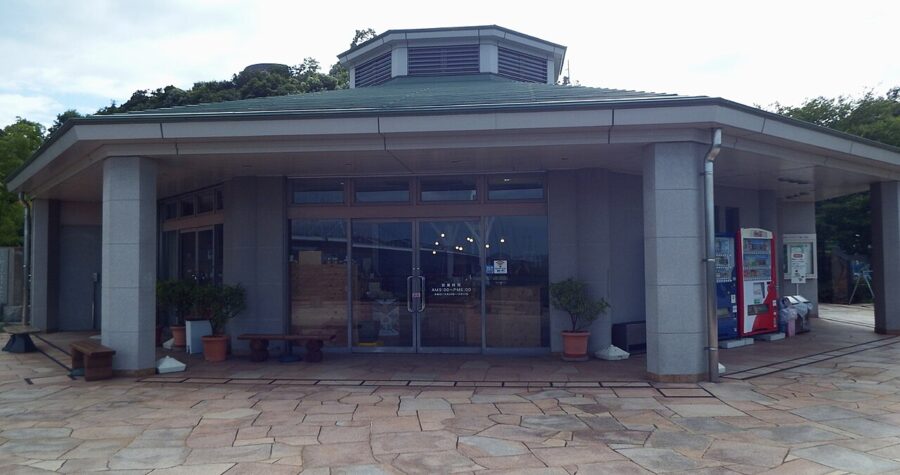
Imabari Itoyama Rental Cycle (今治糸山レンタサイクル) is terminal 9 of the ten run by Shimanami Japan, the public rental operator. It opens 08:00–19:00 in March to November and 08:00–18:00 in the three winter months, every day of the year, with free parking for about 40 cars outside. The city’s notice on the closure is explicit that the rentals carry on.
As of November 2026 a cross bike or city bike costs ¥3,000 (about US$20) a day, an electric-assist bike ¥4,000 (about US$27) and an e-bike ¥8,000 (about US$53).
E-bikes are kept only here, at the Imabari station terminal and at Onomichi station, and must come back the same day. Itoyama is also one of three places with tandems, which go back only where you hired them. Every other bike can be returned at any of the ten terminals, and helmets are lent free with a rental. The full rules are on Shimanami Japan’s rental page, and the private shops and one-way options are part of Shimanami Kaido bike rental.
The one rule people forget at this end of the route: bikes go back inside opening hours. In December that means 18:00 at Itoyama, which comes quickly if you left Onomichi late.
What happened to Sunrise Itoyama
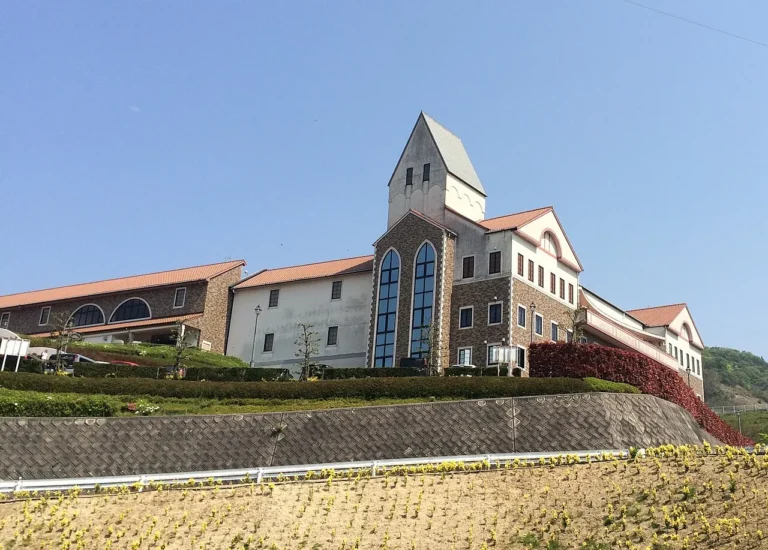
The city-owned Sunrise Itoyama ran for years as a cycling terminal with rooms, a bath and a restaurant. Its management contract ended on 31 March 2026 and the building closed. In April 2026 the city signed an agreement with a group led by Yonden Business to rebuild the site as a smaller, dearer stay, as reported in May 2026.
The plan has the old building renovated into 23 rooms, opening in the winter of the 2027 financial year at an expected ¥30,000–50,000 (about US$200–330) a night. A second building of 20 single-storey villas on the sea side is meant to follow a year later. Those are the plan’s dates, not a promise, and until then there is nowhere to sleep at Itoyama.
The observatory and Itoyama Park
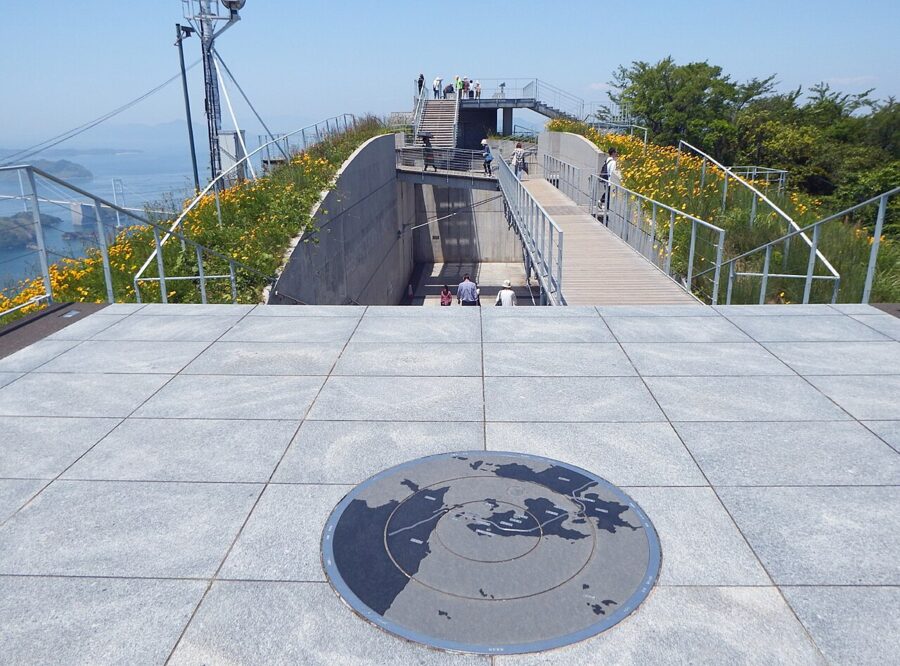
The Kurushima Kaikyo Observatory (来島海峡展望館) stands in Itoyama Park, a few minutes’ walk uphill from the rental terminal. Entry is free; it opens 09:00–18:00 in March to November and 09:00–17:00 in December to February. It closes only from 29 to 31 December. Inside are displays on how the bridge was built and on the Murakami pirates who once controlled this water, plus the Shimanami Picnic shop selling fresh juice and local goods.
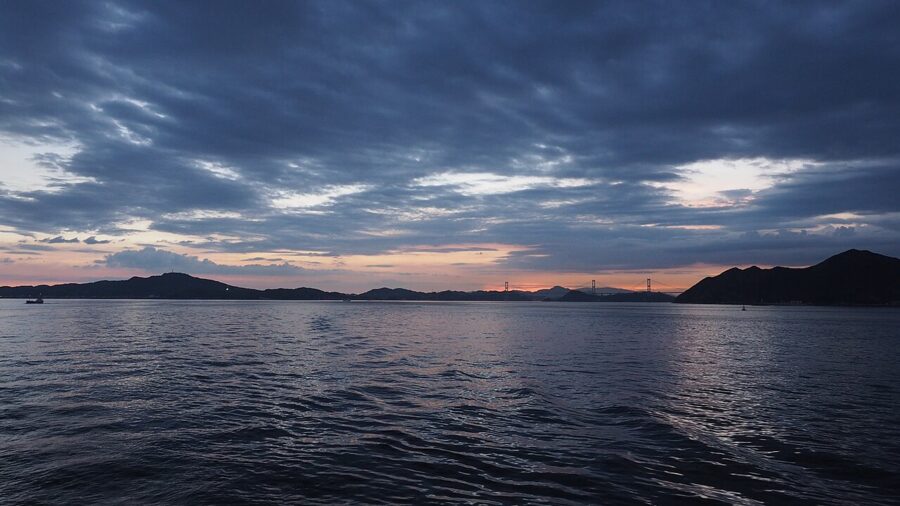
The strait below is counted among Japan’s three great tidal races, and from the terrace you can watch the current pile up against the islands and swing the ships into line. Above the observatory, a concrete lookout tower in the park gives the higher view across all three spans.
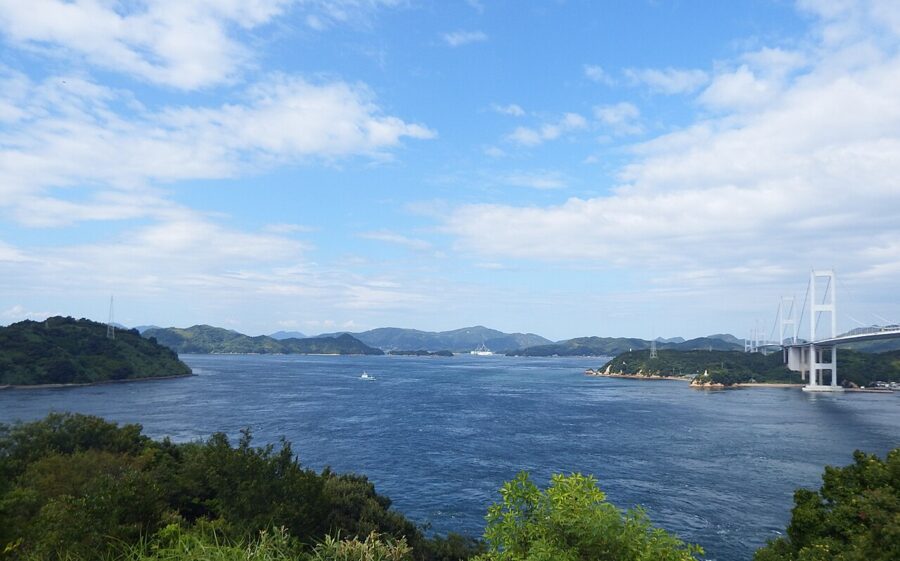
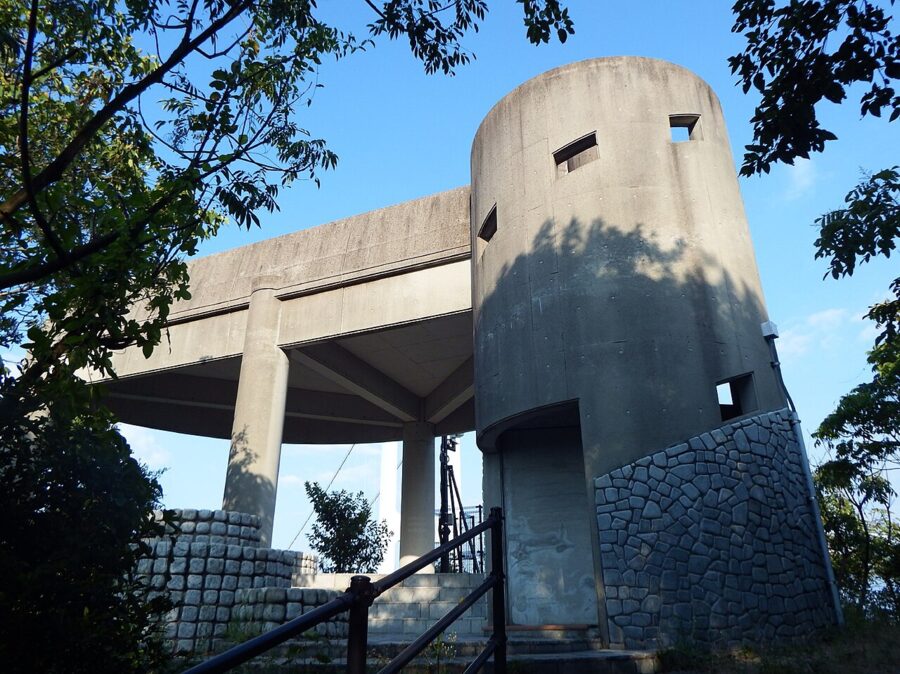
Getting from Itoyama into town
On a bike, it is around half an hour of flat riding south to the centre, mostly through the shipbuilding district of Hashihama and the edge of town. Without a bike there are three choices. The Setouchi Bus Koura line runs from the Tenbodai-iriguchi stop (展望台入口) to Imabari station in about 25 minutes; the city’s transport page lists departures from Tenbodai-iriguchi at 09:17, 10:47, 13:42, 16:14 and 18:17, the last two not on Sundays and holidays.
A taxi takes about 15 minutes. JR Hashihama station is about 25 minutes’ walk away, but only local trains stop there, and they are not frequent. If you are not on a bike, the bus or a taxi is the better answer.
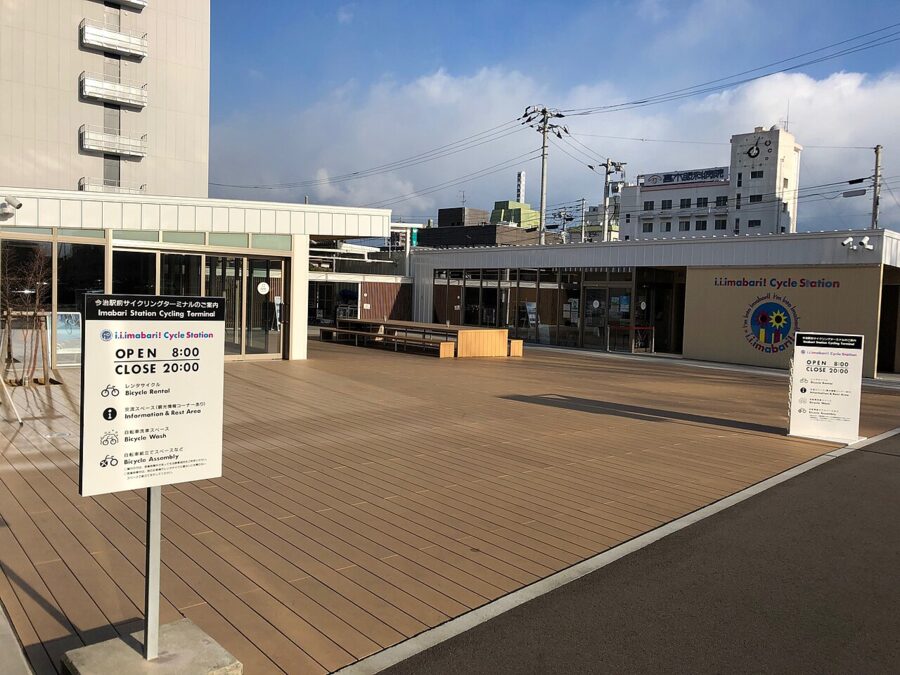
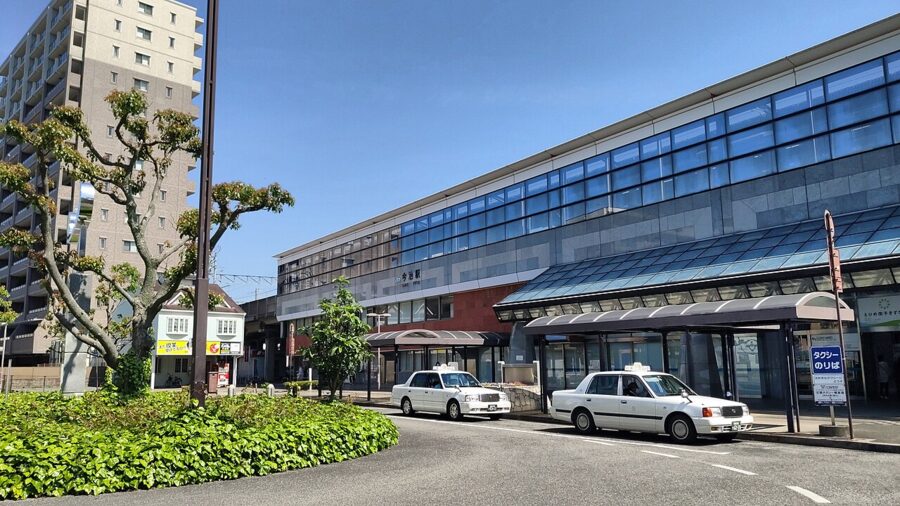
In town, the second Imabari terminal sits in the plaza in front of JR Imabari station, with the same hours as Itoyama. The tourist information centre shares the building, opens every day on the same hours, and gives information in English.
Imabari Castle and its sea-water moat
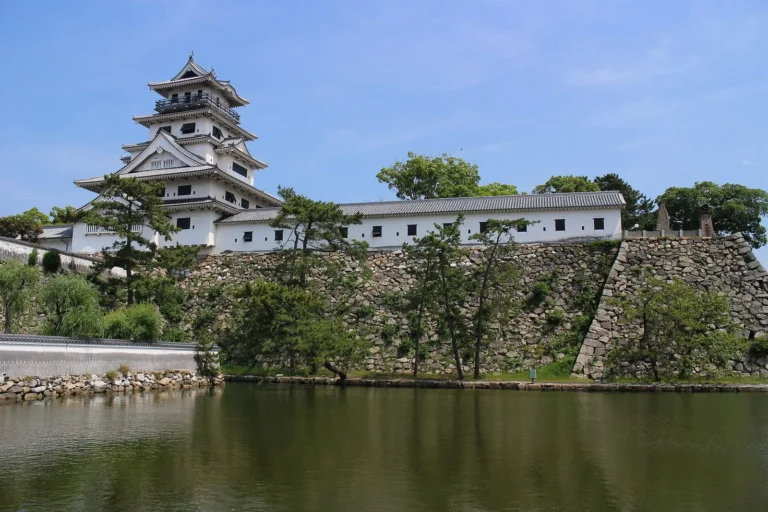
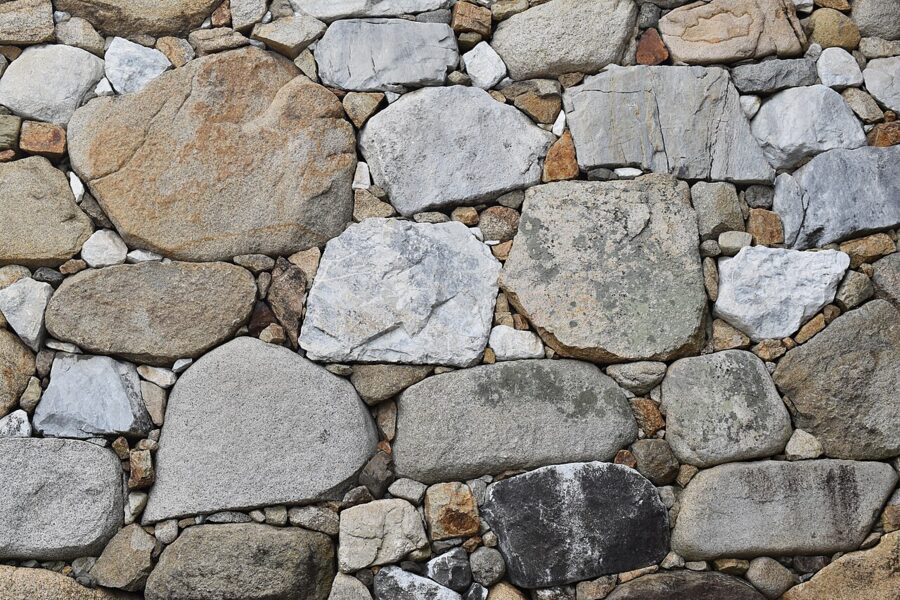
Todo Takatora, the most sought-after castle builder of his day, began Imabari Castle (今治城) in 1602, two years after Sekigahara, when he was given half of Iyo province. He built on the flat shore rather than a hill and let the sea into the moat. The earthworks were finished in 1604 and the castle was probably complete by 1608, the year he was moved to Iga and Ise.
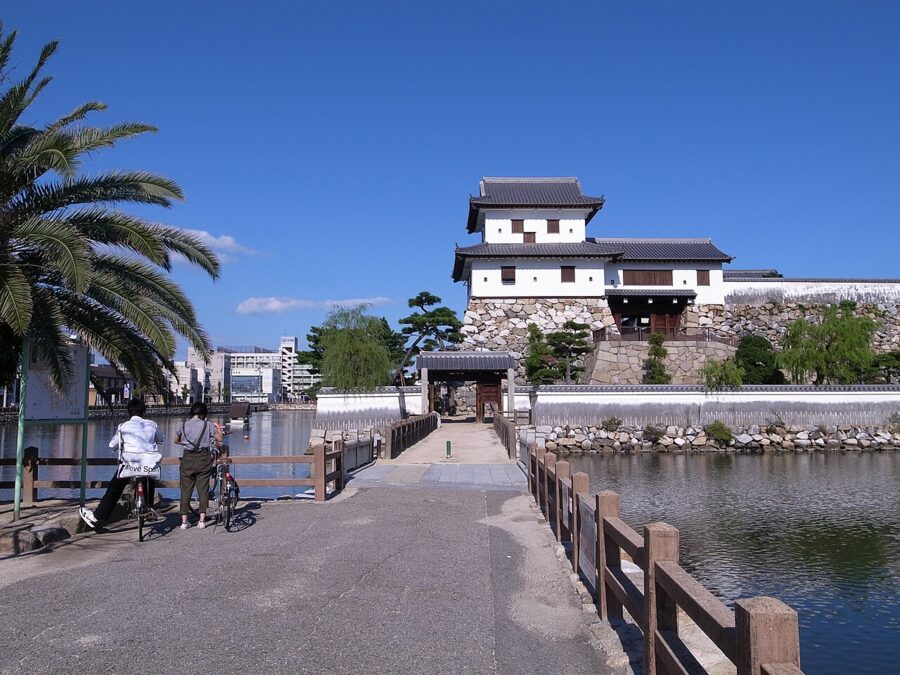
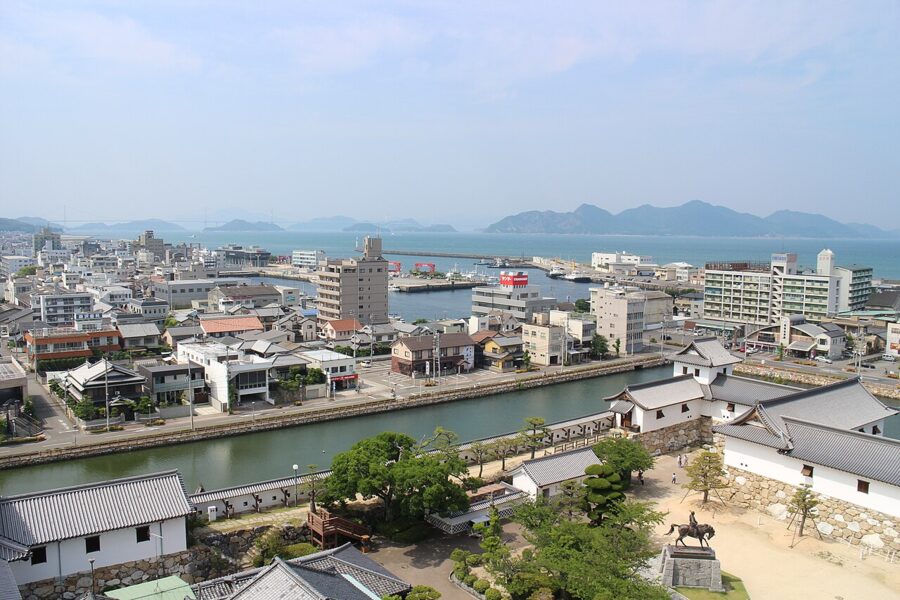
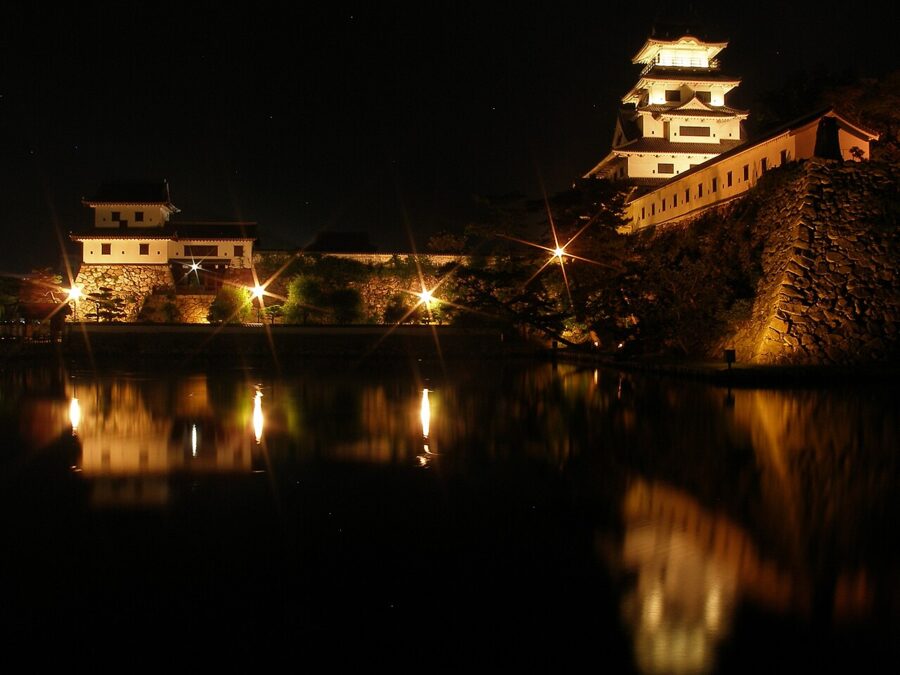
The broad moat is still salt water from the sea, which is the reason to come. The castle also had one of the largest boat harbours of any Japanese castle inside its walls, so ships could sail straight in. Today the town has grown out around it, and the salt water laps at the foot of the walls a short walk from the shops.
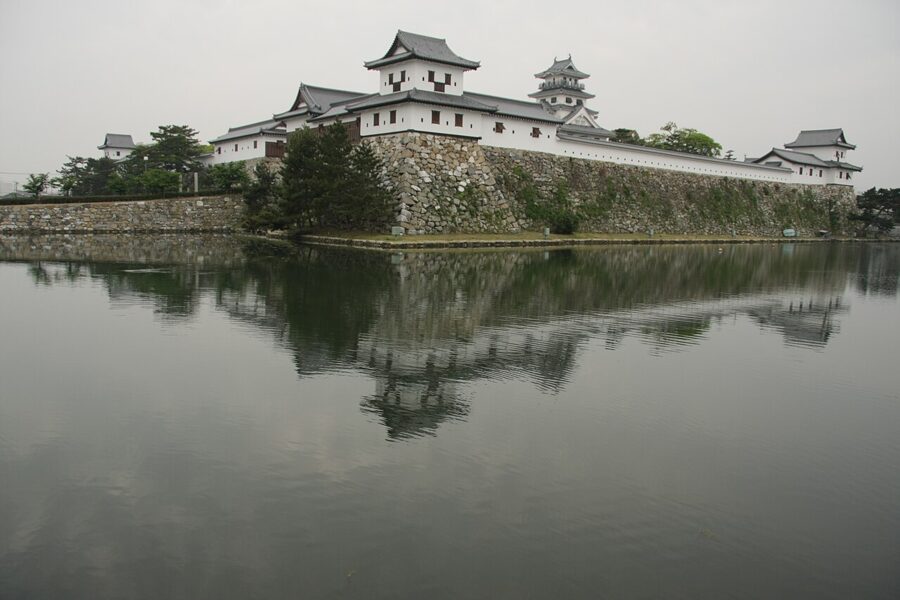
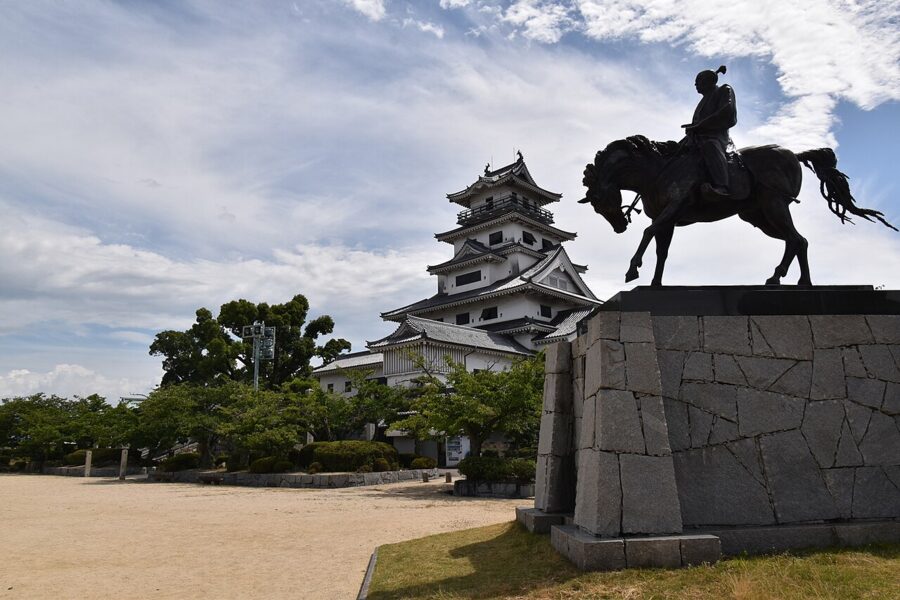
What you see standing is mostly rebuilt. The keep is a 1980 reconstruction, five storeys outside and six floors inside, built on the site of a corner turret of the main enclosure; Takatora’s own five-storey keep was dismantled when he left. Inside are armour, swords and matchlocks, documents of the Imabari domain, a floor for temporary exhibitions and a sixth-floor deck that looks over the town to the Kurushima-Kaikyo Bridge.
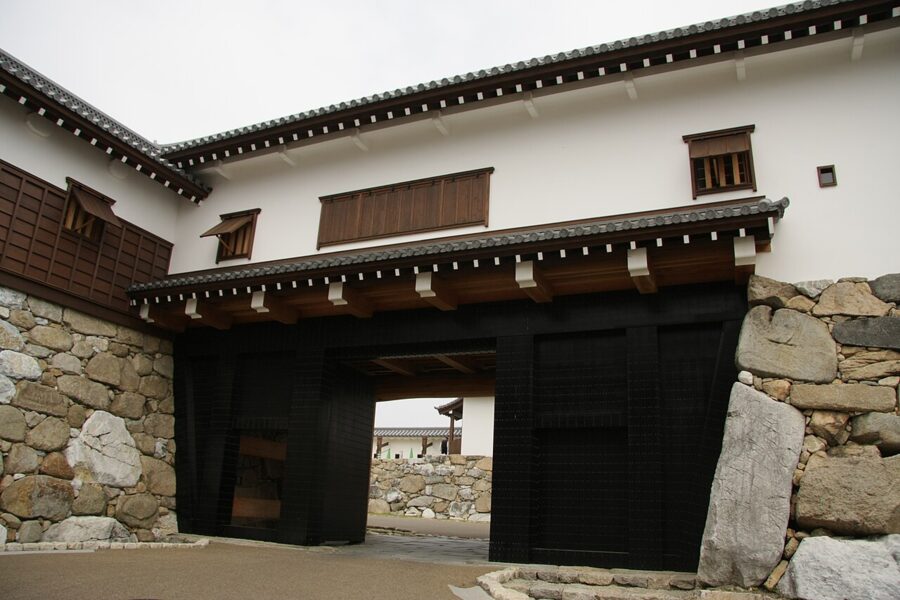
The Tamon and Bugu turrets were rebuilt in 1980, the Okane turret in 1985 (now a gallery for local artists), the Yamazato turret in 1990, and the big Kurogane-gomon gate in 2007. The bronze of Takatora on horseback went up in 2004 for the castle’s 400th year.
Hours, tickets and getting there
The castle opens 09:00–17:00, last entry 16:30, and closes only from 29 to 31 December and on exhibition changeover days. As of 2026, one ticket at ¥520 (about US$3.50) covers the keep, the Okane and Yamazato turrets and the Kurogane-gomon gate with the Bugu turret; students pay ¥260, over-65s ¥420, and under-18s go free. The grounds, Fukiage Park, are open 24 hours and free. Details are on the castle’s visitor page.
From the station, the Setouchi Bus towards Imabari Eigyosho takes about nine minutes to Imabari-jo-mae; from the port it is a ten-minute walk. Bicycles park free, and cars pay ¥100 an hour. The keep and every turret are reached by stairs, with no step-free access inside.
Towels, in outline
Imabari makes about 60 per cent of the towels produced in Japan. The industry is around 130 years old, and close to 200 factories here spin, dye and weave for it, using the soft water that comes down the Soja River. The Imabari Towel brand mark goes only on towels that pass the local tests, the best known of which is the five-second rule: a piece of the towel floated on water has to start sinking within five seconds.
For a rider with an hour, Texport Imabari (テクスポート今治) is the place. It is about 2 km (1.2 miles) east of the station in Tomon-cho, with the official Imabari Towel main shop (open 09:30–18:00), a small towel lab you can try out (09:00–18:00) and a café, closed only over the New Year; the Setouchi Bus Karakodai loop takes 13 minutes from the station to the Fuji Grand-mae stop outside.
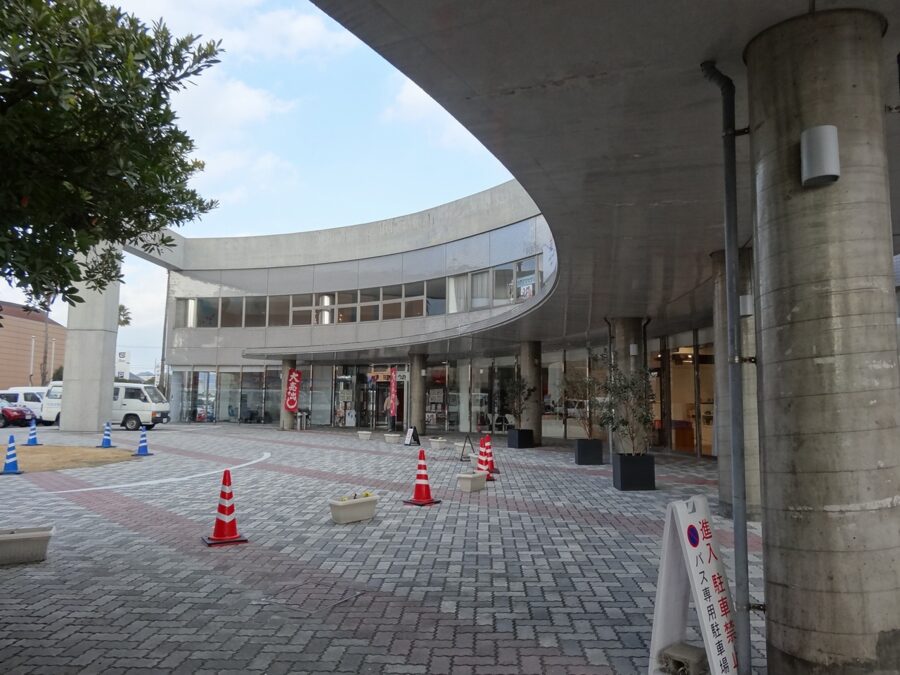
The Towel Museum (タオル美術館) is a different outing: a large private museum, shop and garden in Asakura, about 25 minutes south of the station by taxi. It opens 09:30–18:00 (galleries until 17:30) and, as of 2026, adult entry is ¥1,000 (about US$7), with lower prices for children and over-65s; the shops and restaurants are free to enter. It has a few winter closing days (14 and 19 January in 2027) and opens over the New Year. Without a car it is hard work, and if you only want to buy towels, Texport is closer.
What to eat: griddled yakitori and yakibuta tamago meshi
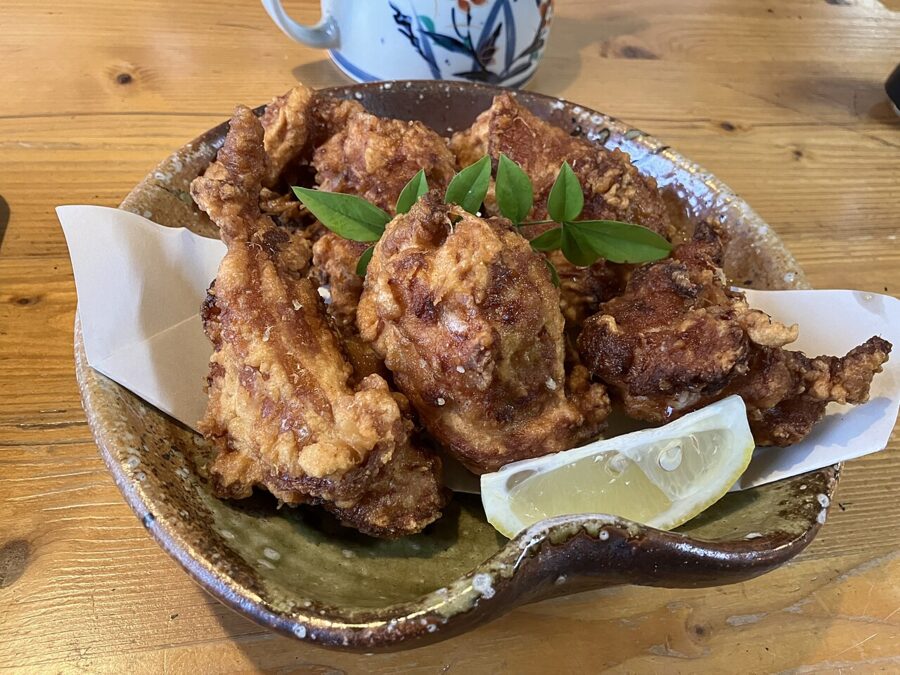
Imabari yakitori is not grilled on skewers over charcoal. It is cooked fast on a flat iron griddle, a method credited to Gomidori, which opened in 1960. The story the local yakitori enthusiasts tell is that the owner was told off by a customer for slow food, saw lotus root being cooked on a griddle in Osaka, and tried it with chicken. The town took to it so quickly that at one point there were said to be over a hundred places doing the same.
The dish to order is kawa, chicken skin cooked crisp off the skewer in a sweet, dark sauce. Finish with senzanki, Imabari’s fried chicken. All four places below are in the Imabari tourism association’s 2026 food guide, which is where the hours come from:
- Gomidori (五味鳥), Minamidaimon-cho 1-chome, a few minutes’ walk from the station: the original. Evenings only.
- Seto (世渡), Kogane-cho: 17:00–21:00 (last order 20:30), closed Mondays and Tuesdays. Reservations by phone 12:00–17:00. Kawa ¥500 (about US$3.50).
- Hachihachi (はち八), Gohon-cho: 17:00–22:00, closed Mondays. Lively, with 80 seats.
- Maruya (まる屋), Asahi-machi: 17:00–22:00 (last order 21:30), closed Sundays.
If I had one evening, I would start at Gomidori for the original and go to Seto if it was full. None of them is a late-night place, so go early.
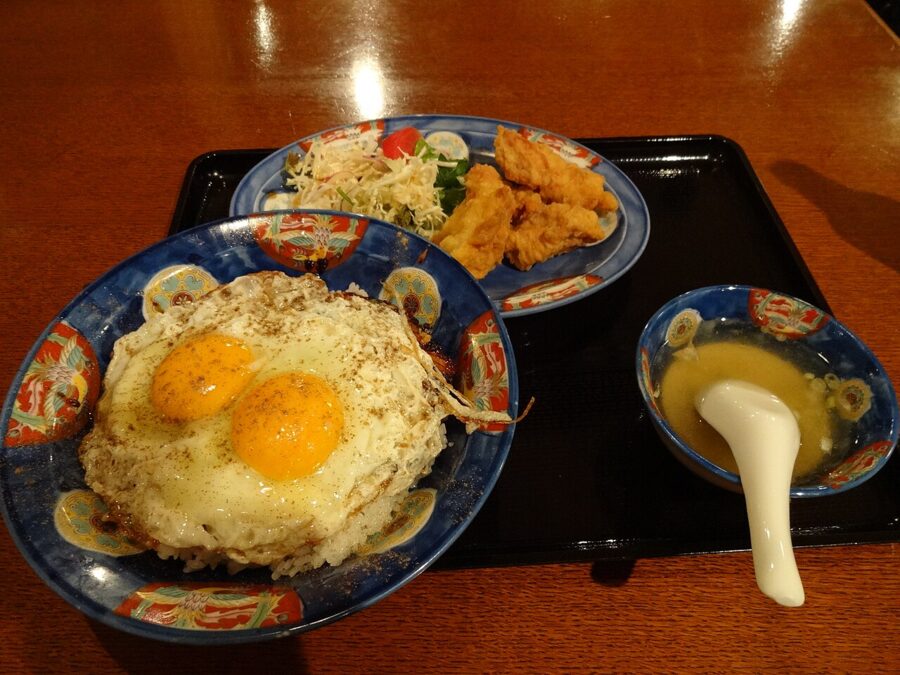
Yakibuta tamago meshi (焼豚玉子飯) is the lunch: rice, sliced roast pork, a sweet and salty sauce, and two soft fried eggs on top. Hakurakuten’s own account is that it began as a staff meal at an old Chinese restaurant in town, now gone, and that their founder, who had cooked there, put it on his menu when he opened near a high school. The students did the rest.
Hakurakuten Imabari Honten (白楽天) is in Tokiwa-cho 4-chome, about eight minutes’ walk from the station. It opens 11:00–14:45 (last order 14:30, set meals until 14:00) and 17:00–21:15 (last order 21:00), and closes on Tuesdays and on 31 December and 1 January. It takes cash only and seats strangers together when busy. The 2026 food guide lists a yakibuta tamago meshi set at ¥1,300 (about US$9) and the spicy “karatama” version added in 2025 at ¥1,050.
For a plainer, cheaper bowl, Hakuryu (白龍) in Gohon-cho 1-chome opens 11:00–21:00 (last order 20:30), closes on Thursdays, and lists its yakibuta tamago meshi at ¥700 (about US$5) in the same guide.
The port and the boats to the small islands
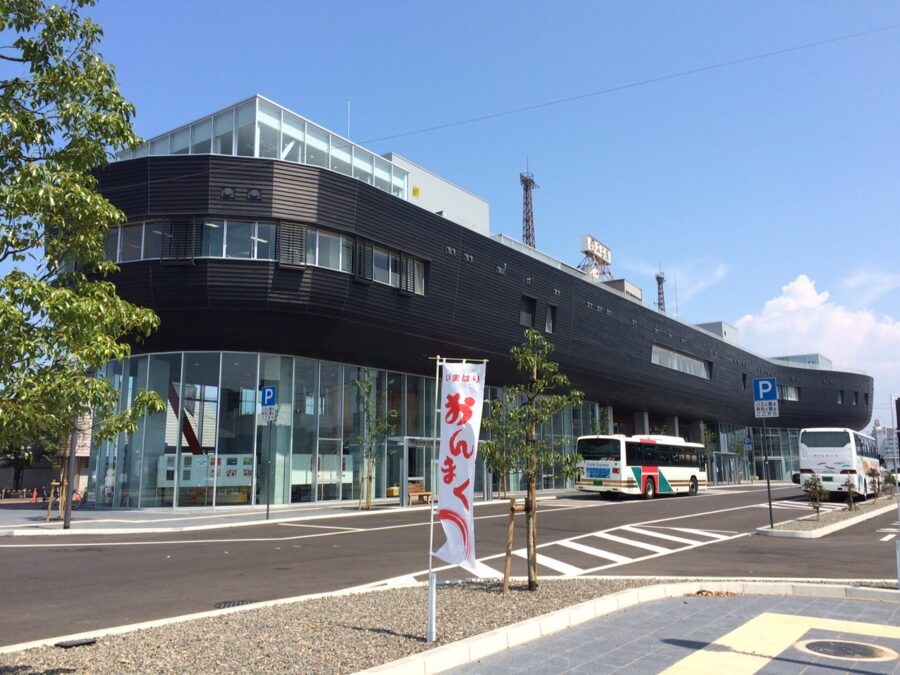
Imabari Port is ten minutes’ walk from the castle. The long-distance ferries that once called here have gone; now the port carries the island boats, and the Minato Koryu Center (みなと交流センター), known as Harbary, holds the waiting room and the tourism association’s office. On the second and fourth Sunday of each month the quay fills with the Setouchi Minato Marche, a food and produce market, from 09:00 to 14:00.
The regular routes from the port, as of 1 April 2026, from the city’s port page:
| Route | Boat | Sailings a day | Operator |
|---|---|---|---|
| Imabari, Tomoura (Oshima), Kinoura (Hakatajima), Iwagi, Sashima, Yuge, Ikina, Habu (Innoshima) | High-speed | 4 | Geiyo Kisen |
| Imabari, Munakata (Omishima), Kinoe (Osakikamijima) | Ferry | 2 | Omishima Blue Line |
| Imabari, Oge, Ko-oge, Okamura | Ferry | 4 | Imabari City |
| Imabari, Munakata, Oge, Ko-oge, Okamura | High-speed | 4 | Imabari City |
| Imabari, Tsushima | High-speed | 1 | Tsushima ferry |
Bicycles go on the Geiyo Kisen and Omishima Blue Line boats for an extra fare. The useful one for a rider is the Geiyo Kisen boat: it turns Oshima or Hakatajima into a ride-back day, or puts you on Innoshima without riding the whole route. The city’s ferry to Okamura, which links by bridge to the Tobishima islands of Hiroshima, ran without its Monday and Thursday sailings through most of 2026 for lack of crew; the city says the full timetable returns on 1 December 2026.
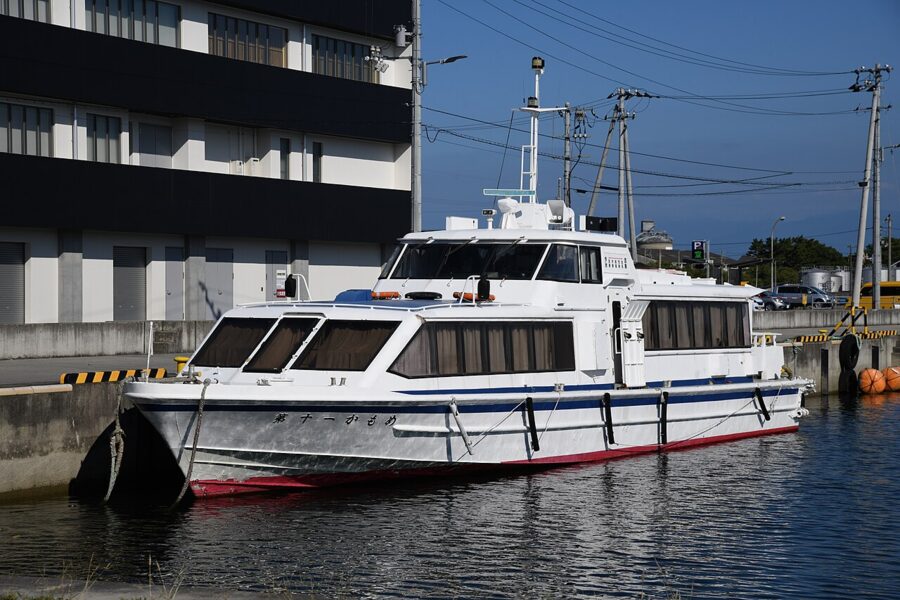
In autumn 2026 a bike-carrying boat also ran between Onomichi and Imabari Port on 16 weekend days in October and November, for the second year running, finishing on 29 November. Watch the cycle ship page for whether it returns.
Hashihama: Kurushima, Oshima and Umashima
The boats to the three islands in the strait leave not from the main port but from Hashihama, a shipbuilding harbour about a kilometre from the Itoyama terminal. The timetable revised on 1 October 2025 has the first boat out of Hashihama at 07:05 (not 31 December to 3 January) and roughly hourly sailings after that, with the last boats back leaving Oshima at 17:00 and Kurushima at 17:05. Single fares from Hashihama are ¥160 (about US$1) to Kurushima, ¥220 to Oshima and ¥310 to Umashima, children half price, plus ¥90 for a bicycle.
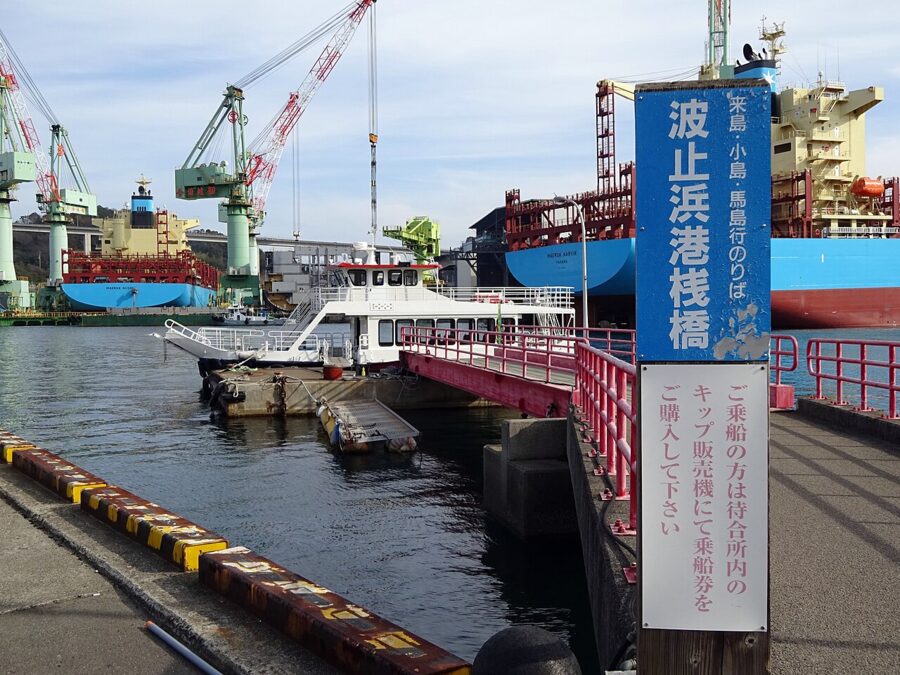
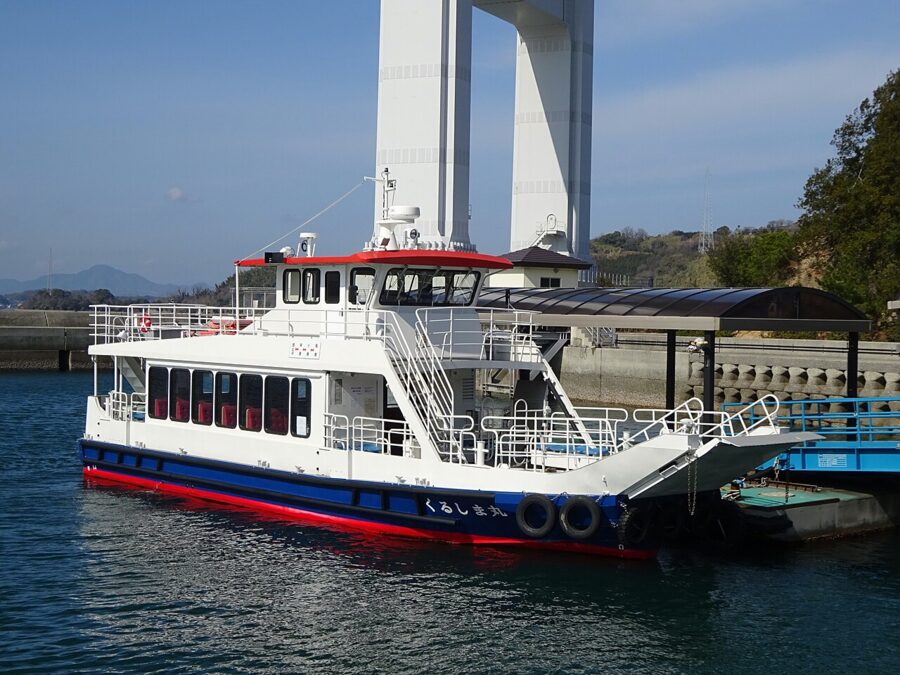
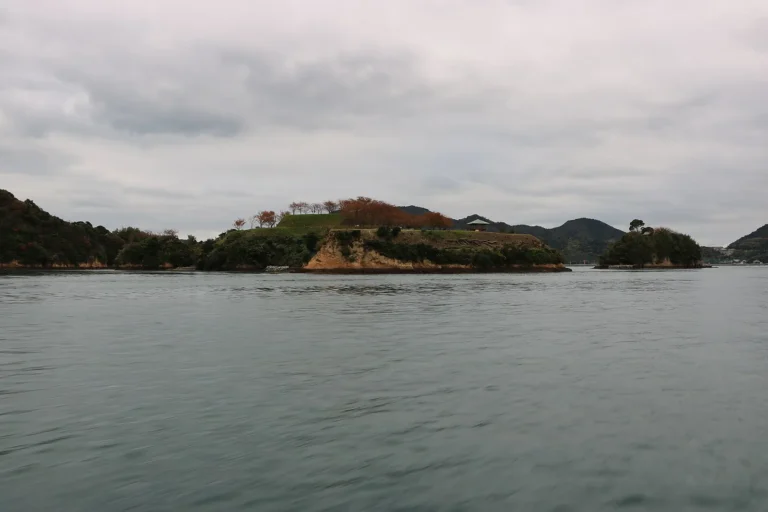
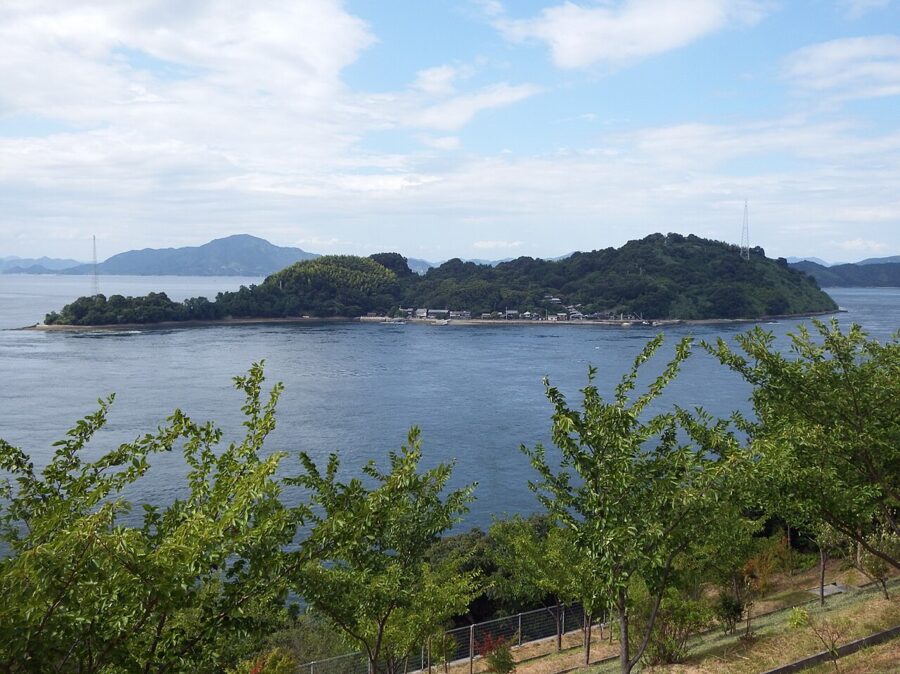
Kurushima (来島) is the tiny island, about 850 m round, that gave the strait and the Kurushima branch of the Murakami pirates their name. The whole island was their castle, protected by the current. Stone footings, arrow bamboo, an old well and the post holes of their piers in the rocks are still there, but the path up to the main enclosure has collapsed and is closed.
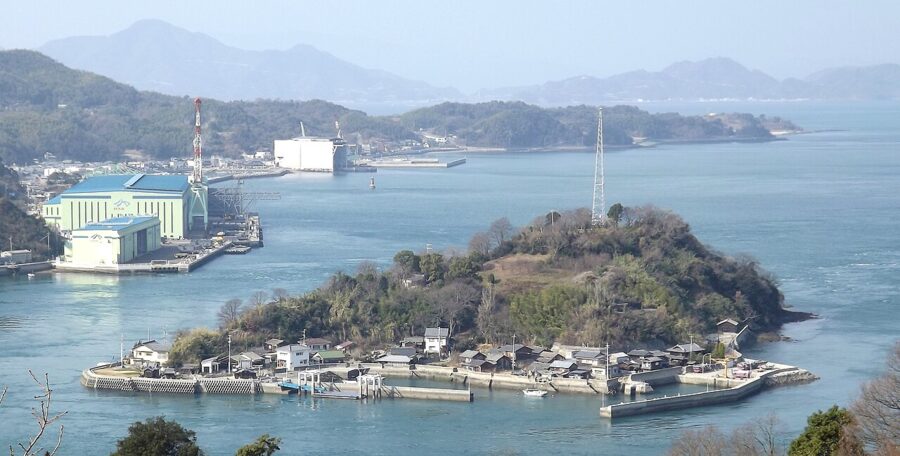
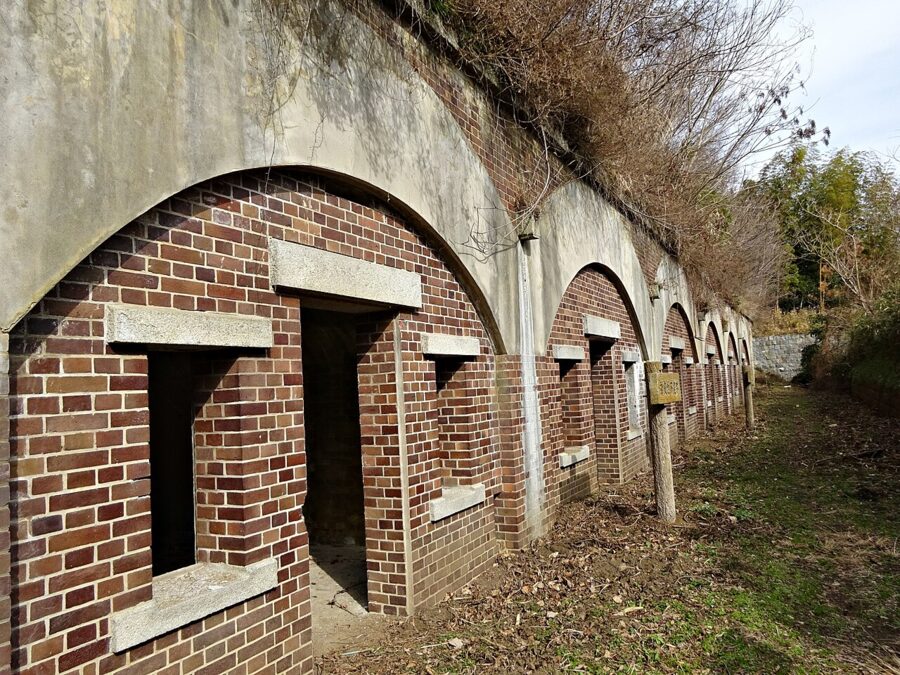
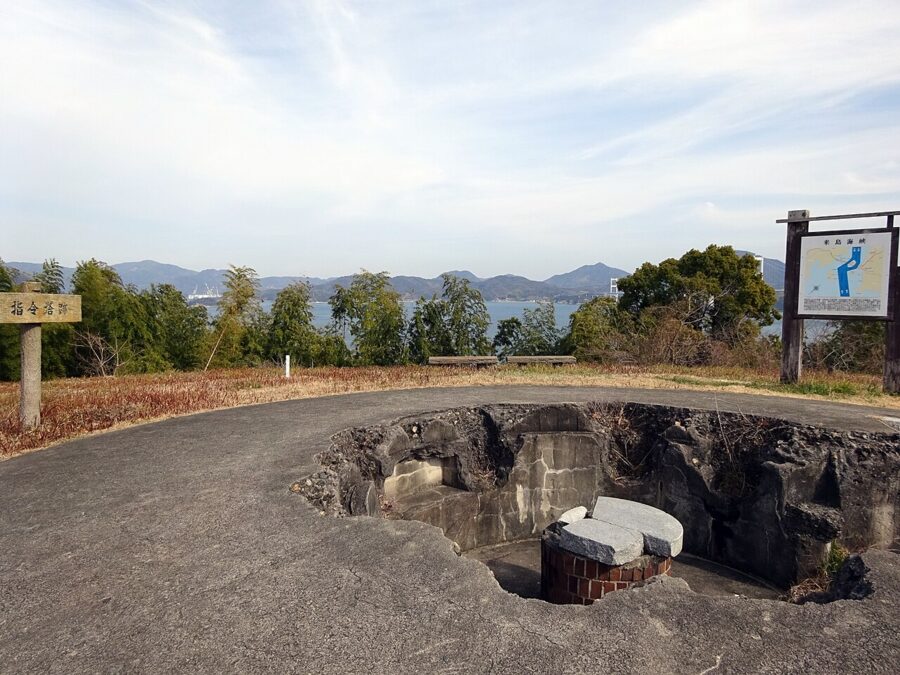
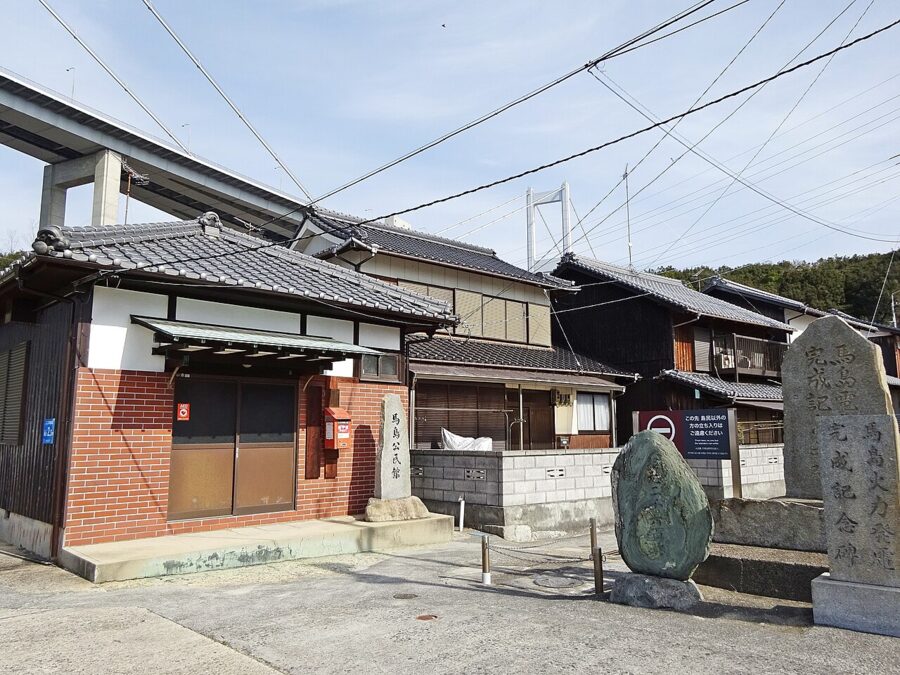
Oshima (小島), a small island about 4 km round and not to be confused with the big Oshima of the route, and ten minutes by boat, is the better half day. In the years before the Russo-Japanese War the army built batteries here against the Russian fleet as part of the Geiyo Fortress, and the gun pits, a command post and red-brick underground stores are linked by a path lined with around 2,500 camellias. Near the landing stands a full-size replica of a 28 cm howitzer, made for the NHK drama Saka no Ue no Kumo; two of the six real guns from this island were sent to the siege of Port Arthur. The city’s page on the fortress has a map.
Riding the tide: Kurushima Strait boats
The current through the strait is strong enough to show as eddies and standing waves at full flow, and the small tour boats go out to sit in it. The main one, the Shimanami Kurushima Kaikyo cruise, leaves from Shitadami port on Oshima, beside the roadside station Yoshiumi Ikiikikan, which is also rental terminal 8. As of 2026 it costs ¥2,000 (about US$13) for adults, takes about 50 minutes, and sails every 60 to 75 minutes during the roadside station’s opening hours.
The loop passes Takeshijima, Nakatojima, Umashima, Oshima and Kurushima and runs into Hashihama bay past the shipyards. You can book online or turn up and take a seat if there is one; check in at Yoshiumi Ikiikikan 30 minutes before. From Imabari that means riding back over the bridge, which on a free morning is not a bad idea.
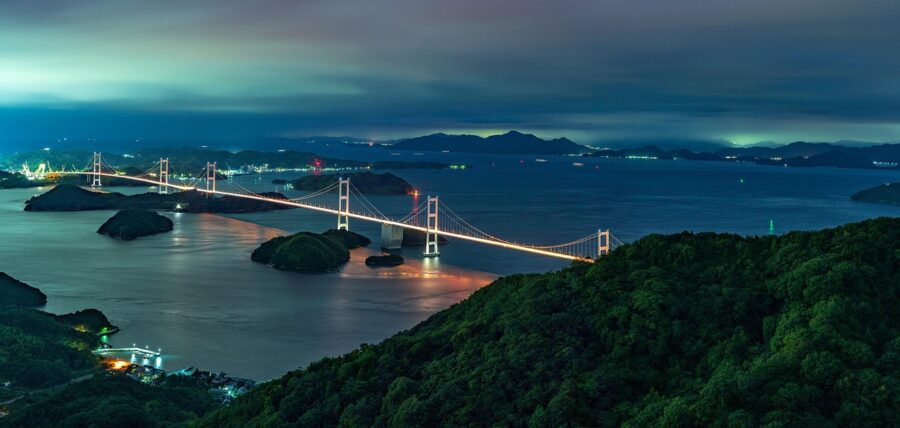
Above Shitadami, Kirosan (亀老山) on the southern tip of Oshima rises to 307.8 m. Its observation deck, designed by Kengo Kuma, is open 24 hours and free, and looks straight down the length of the bridge; at night it is the place to see the bridge lit and the lights of Imabari beyond.
Leaving Imabari: Matsuyama and Dogo Onsen, or back to Onomichi
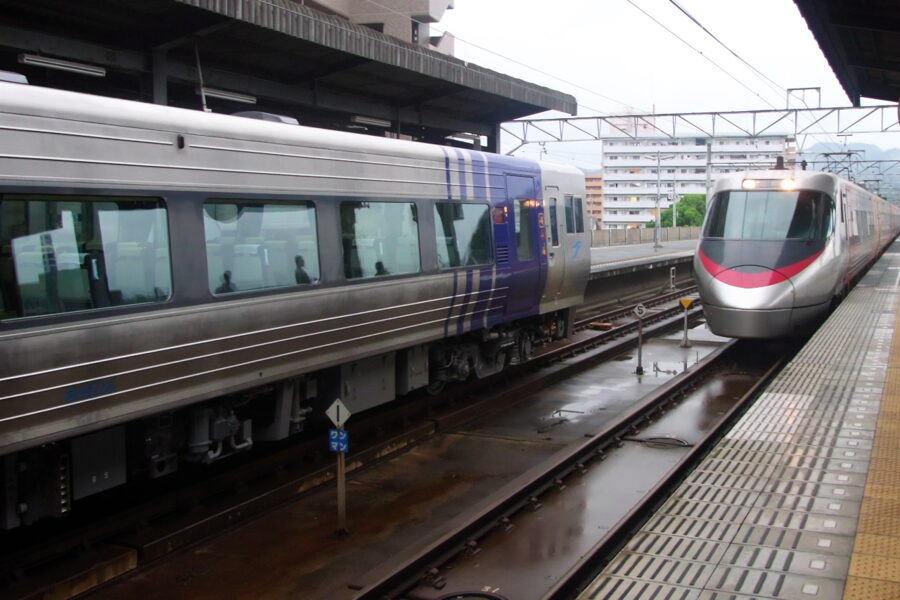
Imabari station is on the JR Yosan Line. The limited express takes about 40 minutes to Matsuyama and about 2 hours 10 minutes to Okayama; local trains are slower and infrequent, so check the times before you plan around them. From Matsuyama Airport, the bus to JR Matsuyama station takes about 15 minutes, and the train does the rest.
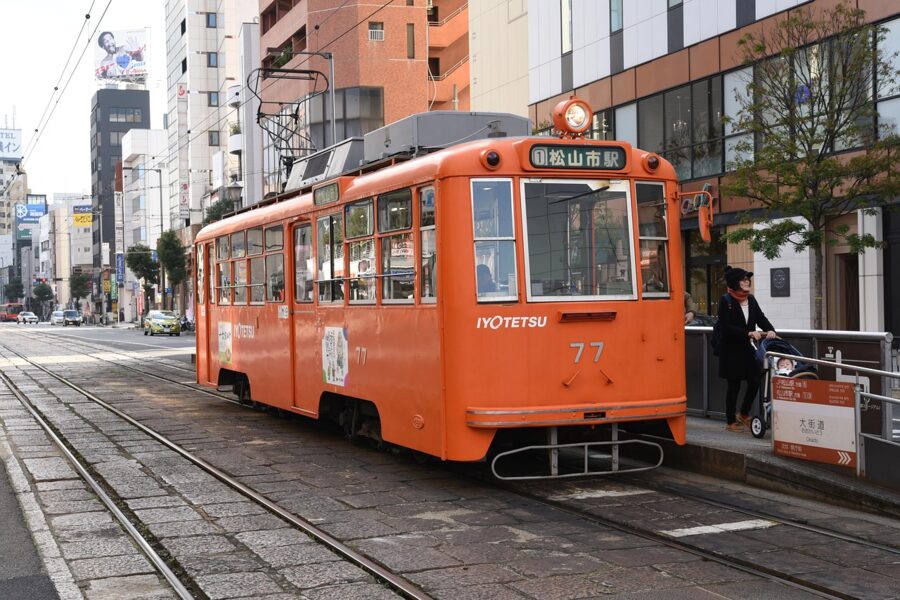
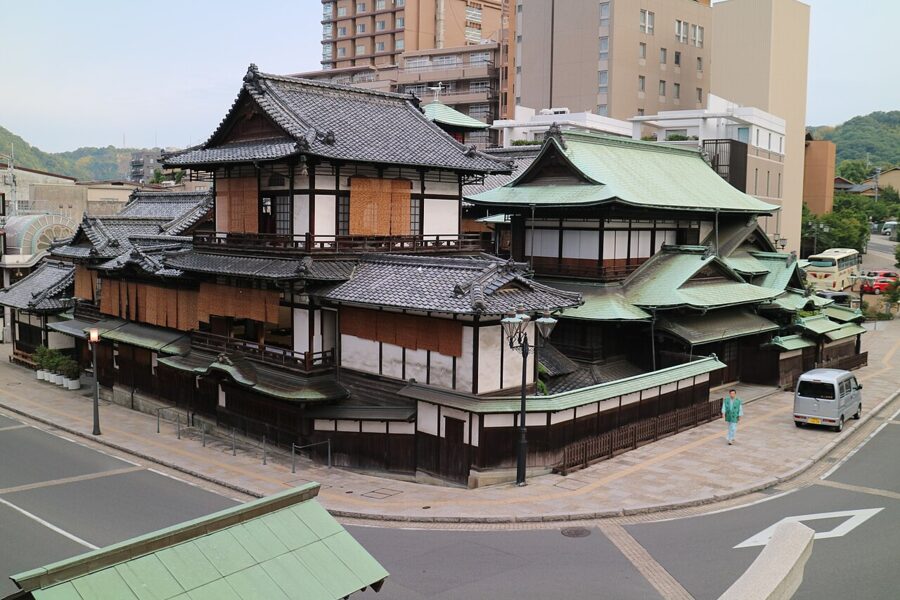
Most people heading to Matsuyama want Dogo Onsen, and the Dogo Onsen Honkan is whole again: the repair work that began in January 2019 was finished on 20 December 2024. As of 2026 the basic Kami-no-Yu bath costs ¥700 (about US$5) and is open 06:00–23:00, last entry 22:30. The Iyotetsu tram runs from central Matsuyama to Dogo Onsen.
Back towards Onomichi, there is no direct bus. The Shimanami Liner runs from the Imabari-ekimae stop up the route to Fukuyama in about 1 hour 35 minutes, roughly hourly from 06:20 to 19:30 with an early non-stop at 05:50 at weekends. From 1 October 2026 every seat is reserved, though you can still board if there is space, and the old Imabari Sanbashi stop at the port is gone. The fare to Fukuyama is ¥3,300 (about US$22), or ¥2,970 booked and paid online; the Setouchi Bus timetable has the details.
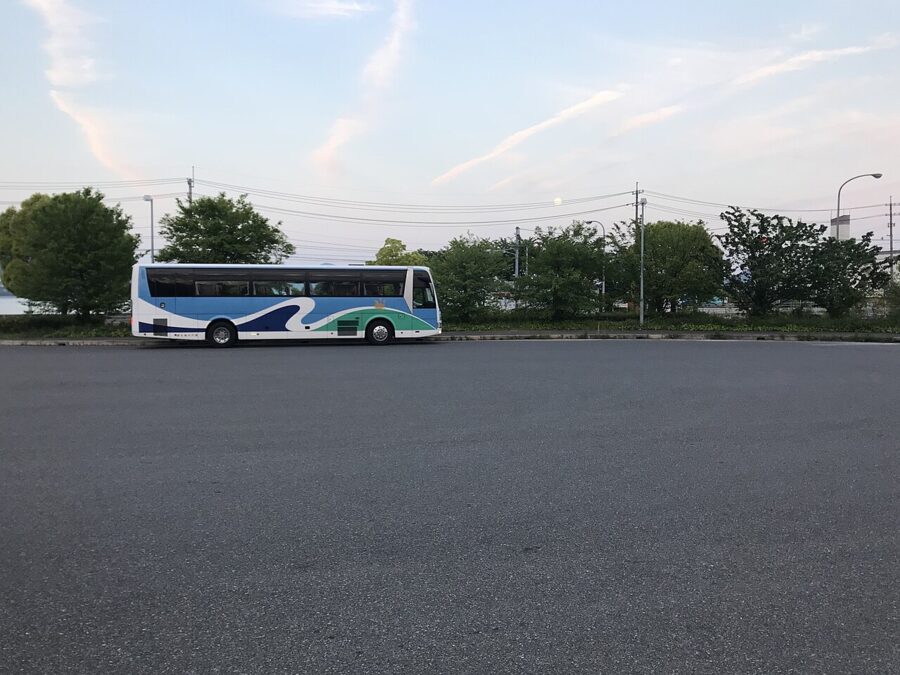
For Onomichi itself, the city’s own advice is to change buses at the Innoshima-Ohashi stop, or ride to Fukuyama and take the train back west. If you hired a bike, hand it in at Imabari first. The same trains, buses and flights serve both ends for getting to the Shimanami Kaido in the first place.
Where to stay, by kind
Stay near the station. With Sunrise Itoyama closed, the hotels, the trains, the buses north and most of the places to eat are all within a short walk of each other there, and the castle is a few minutes’ ride away.
For riders on a budget: Cyclo no Ie (シクロの家), a guesthouse one minute from the station’s east exit, was set up with cyclists in mind. It has a locked indoor bike garage and a maintenance room with tools, shared showers and kitchen, and check-in from 16:00 to 21:00. As of 2026 a dormitory bed is ¥3,200 (about US$21) and a private room for two ¥7,400 (about US$49), room only.
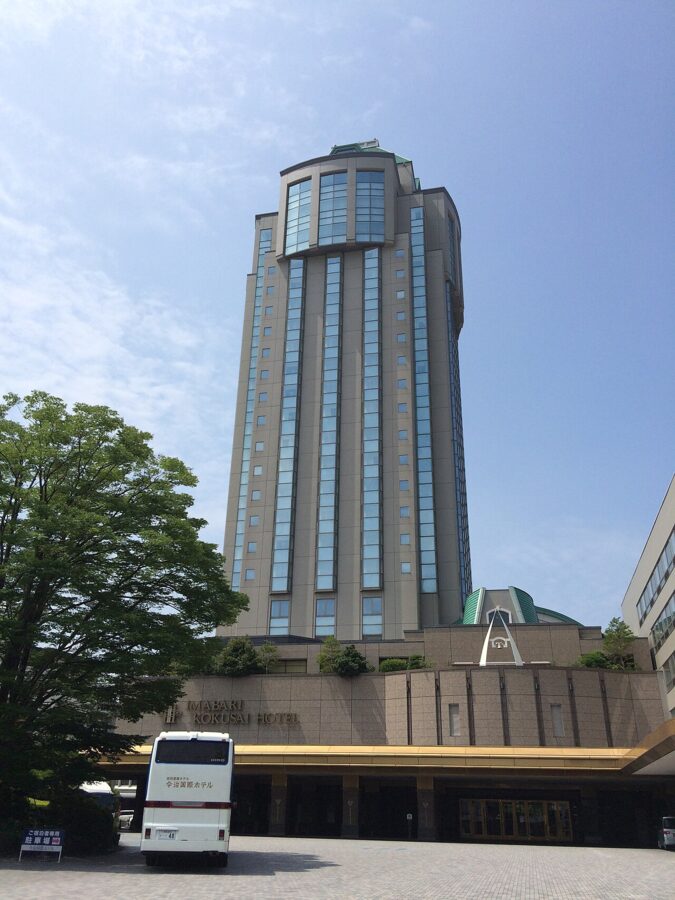
A plain modern hotel: Shimanami Prime Hotel Imabari opened in March 2024, five minutes’ walk from the station, with a top-floor bath and sauna. The full-service hotel: Imabari Kokusai Hotel in Asahi-machi has several restaurants, a top-floor bar and a large car park, and sells Imabari towels in its own shop.
A hot bath after the ride: Shimanami Onsen Kisuke no Yu (喜助の湯), a natural hot spring near the station, is open for day bathing 06:00–24:00 and has rooms attached as Kisuke no Yado. If you are on a hire bike, some hotels in the city accept rental drop-offs from their own guests; ask Shimanami Japan which ones before you book.
If Imabari is your starting point instead, the same advice holds: sleep by the station, collect the bike there in the morning, and ride north. On a two- or three-day Shimanami Kaido itinerary, that makes Imabari the first night or the last.
A sensible half day in Imabari
If you have just ridden in. Come off the loop, spend half an hour at the observatory, then decide on the bike. Keep it, and ride the half hour into town; or hand it in and take the 13:42 bus from Tenbodai-iriguchi, which reaches the station at 14:06. Drop your bags, be at the castle by 15:00 to have the keep before last entry at 16:30, walk the moat and the port, and be at a yakitori counter by 17:30, before the locals fill it.
If you are leaving north in the morning. Take the 08:00 boat from Hashihama, which reaches Oshima at 08:10, and come back on the 10:40, which is at Hashihama by 10:50. Walk the kilometre to Itoyama, collect your bike, and start up the loop. From there the cycling route runs north over Oshima, with Omishima and Ikuchijima the natural stops on the way to Onomichi.
So: ride down the loop, give the bike back at the station rather than the bridge, and see the castle before half past four. The fried chicken can wait until half past five.