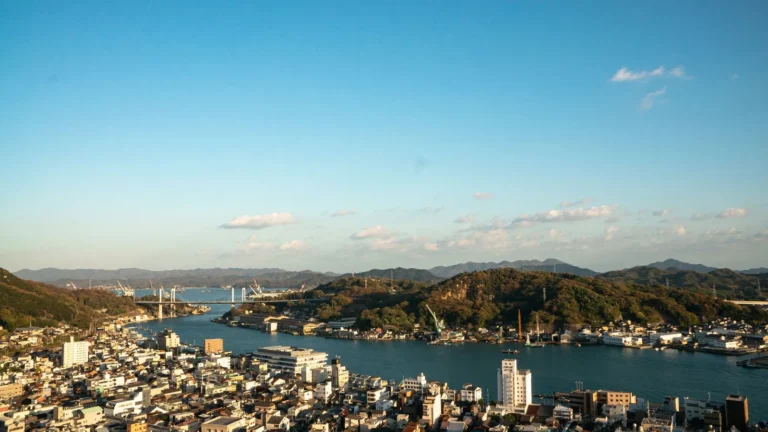
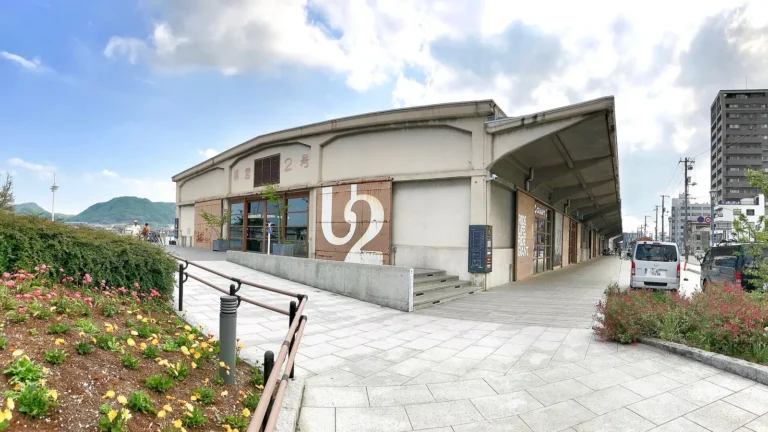
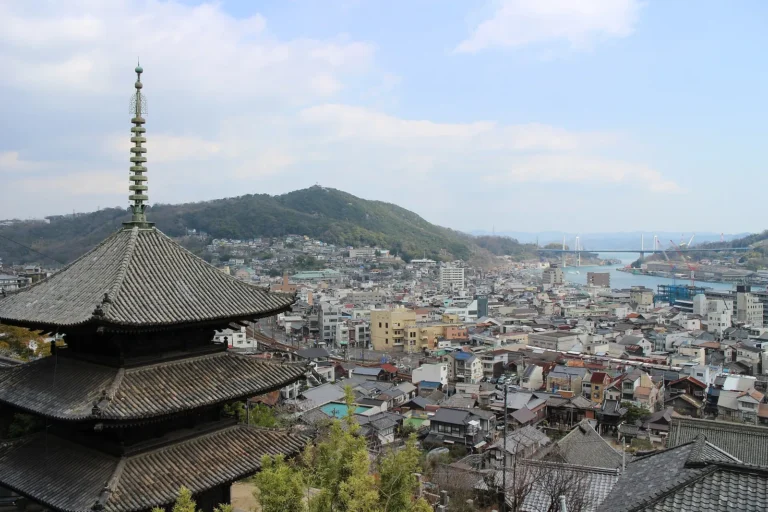
Onomichi Station has no Shinkansen platform. The bullet train runs through the hills behind the town, and the stop it makes there, Shin-Onomichi, is served mostly by the slow Kodama and sits about 4 km north of the waterfront. So the quickest way to the start of the Shimanami Kaido is usually to get off somewhere else.
That somewhere is Fukuyama, 19 minutes east of Onomichi on the local Sanyo Line. Nozomi trains stop there, Tokyo is about three and a half hours away, Shin-Osaka about an hour, and the platforms for the local train are a short walk from the Shinkansen gates. Coming from Hiroshima you face the other way, and the trick there is the Kodama to Mihara.
At the far end, Imabari is on Shikoku, on the JR Yosan Line between Matsuyama and Okayama, with roughly 70 km (43 miles) of cycling route between the two stations. Reaching one end is easy. Getting back from the other, especially with a bike, is where plans go wrong, and since 1 October 2026 the main bus between the two ends sells reserved seats only.
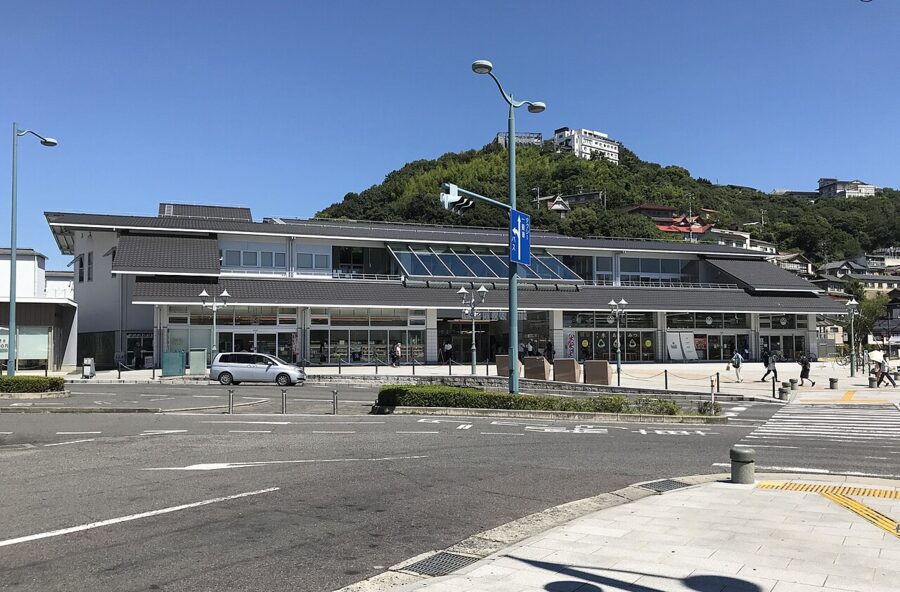
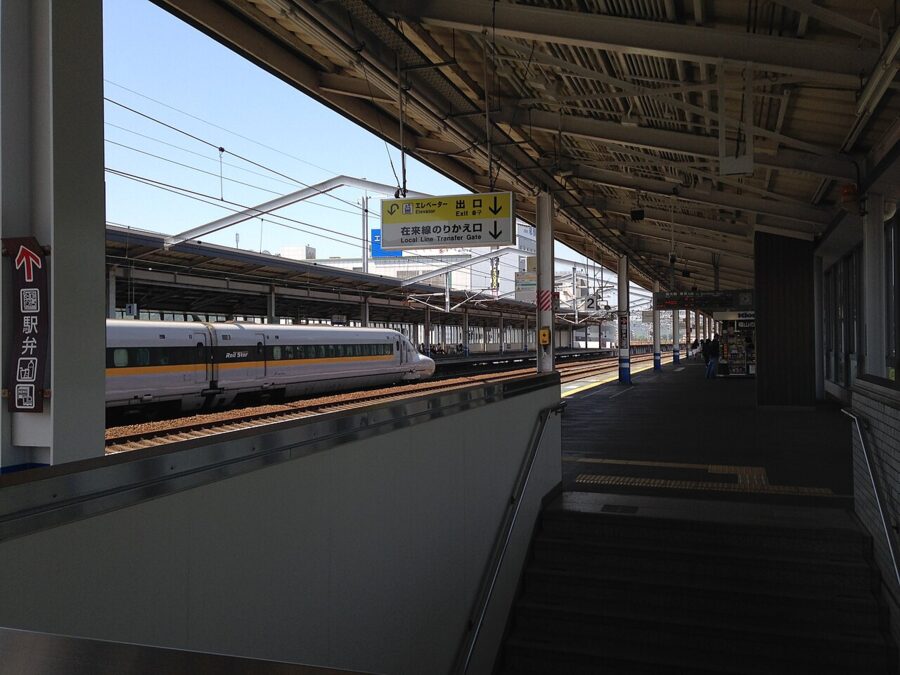
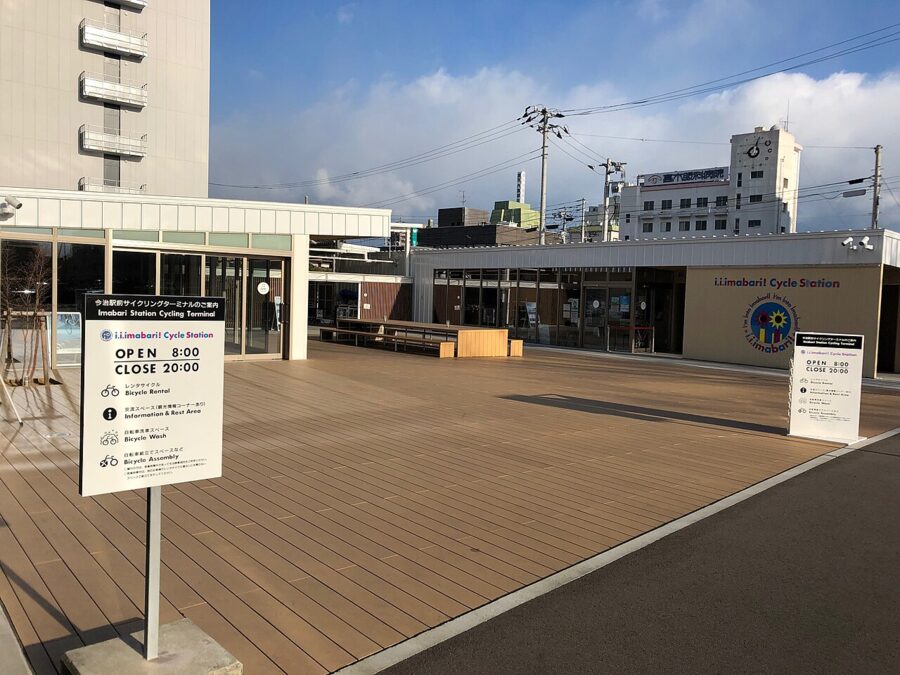
Onomichi or Imabari: where to start
Most people start in Onomichi, and for good reasons. It is on Honshu, 19 minutes from a Nozomi stop, so a rider leaving Osaka after breakfast can be on a bike by mid-morning. Shimanami Japan’s rental terminal is by the station, and the first crossing is not a bridge at all but one of the little ferries over the channel to Mukaishima, which is a gentle way to begin.
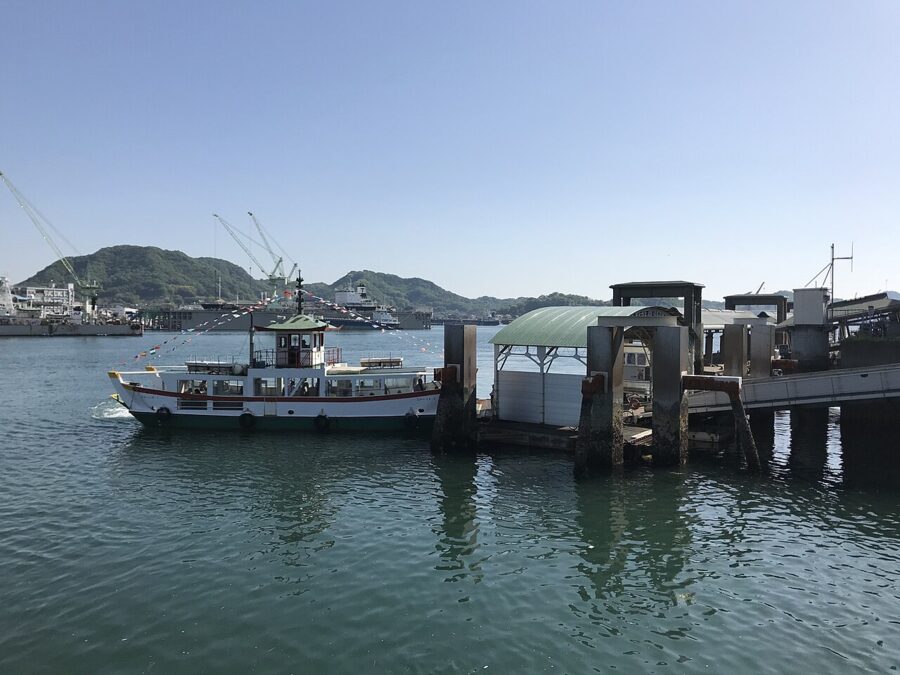
Starting in Imabari makes more sense in three cases. If you fly into Matsuyama, Imabari is the near end. If you are already on Shikoku, the Shiokaze limited express drops you at Imabari Station. And if you are heading home by Shinkansen the same evening, finishing in Onomichi puts you 19 minutes from Fukuyama instead of a bus ride and two hours away.
That last point is the one people miss. A one-way ride from Onomichi ends on the wrong island for the bullet train, so somebody has to sort out the return: the bus, the train via Okayama, or a ferry for those who stop halfway. If you are only riding part of the way, the itinerary decides the start more than the transport does.
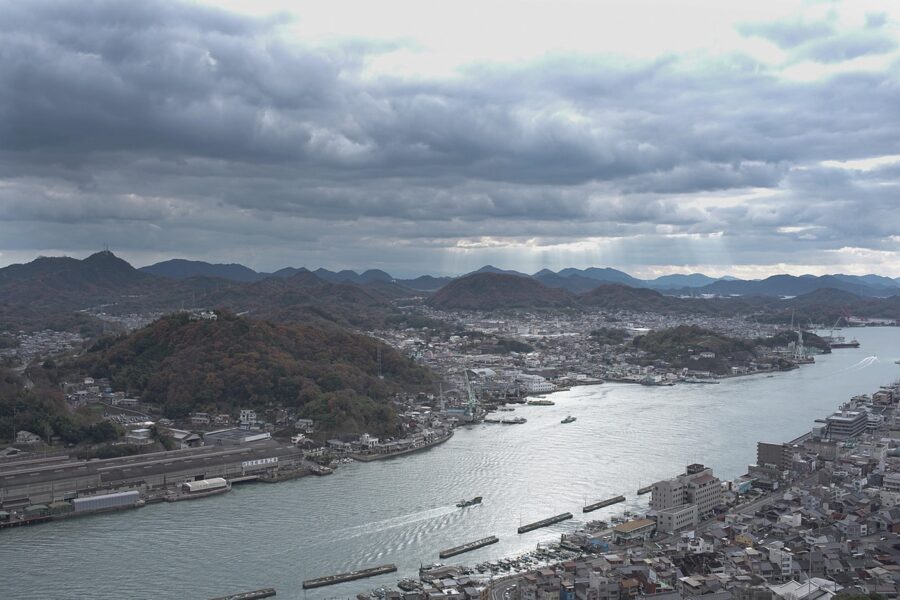
To Onomichi from Hiroshima
Hiroshima is about 80 km (50 miles) west of Onomichi by rail, and there are three sensible ways to cover it. Times and fares below are as of the December 2026 timetables.
Kodama to Mihara, then the Sanyo Line
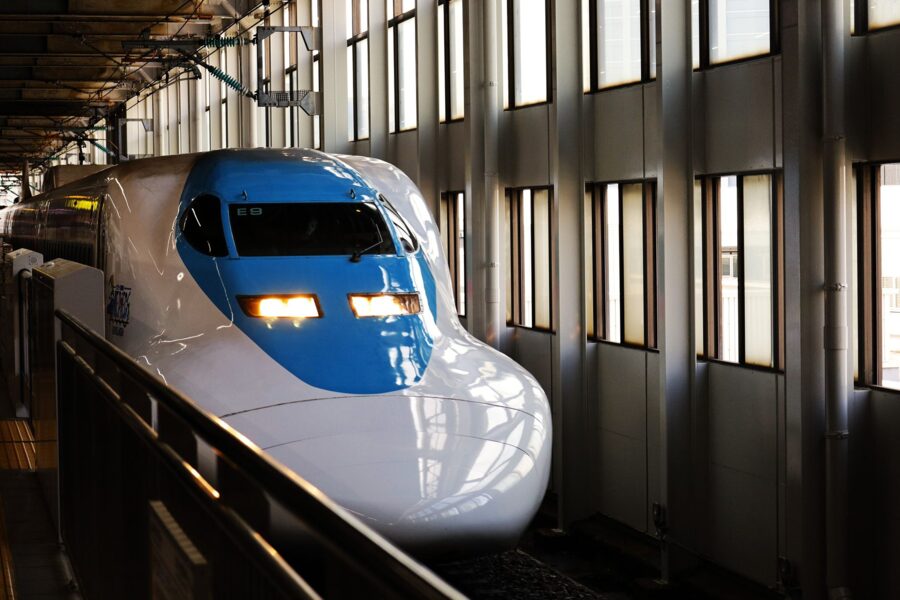
This is the quickest. Take the Kodama to Mihara, a 25-minute ride, then a local Sanyo Line train two stops east to Onomichi, 12 to 24 minutes depending on whether you change at Itozaki. With a decent connection the whole trip takes a little over an hour.
The fare is ¥2,510 (about US$16) in an unreserved car: the ¥1,520 (about US$10) basic fare plus ¥990 (about US$6) for the short Shinkansen hop. A reserved seat brings it to ¥3,610 (about US$23), which is not worth paying for 25 minutes. Kodama trains leave Hiroshima roughly once an hour, so check the departure before you walk to the station.
All the way on the local line
The Sanyo Line alone costs the basic ¥1,520 and takes between an hour and a half and nearly two hours. Most trains need a change at Mihara or Itozaki, and some connections leave you standing on the platform for 20 minutes. It is the cheapest rail option and a perfectly good one if you are not in a hurry.
Don’t bother going via Fukuyama from Hiroshima unless a rail pass is paying. A Nozomi or Sakura gets you to Fukuyama in 23 minutes, but then you ride back west for 19 more, and the fare comes to ¥4,840 (about US$30) for barely any time saved.
The Flower Liner bus
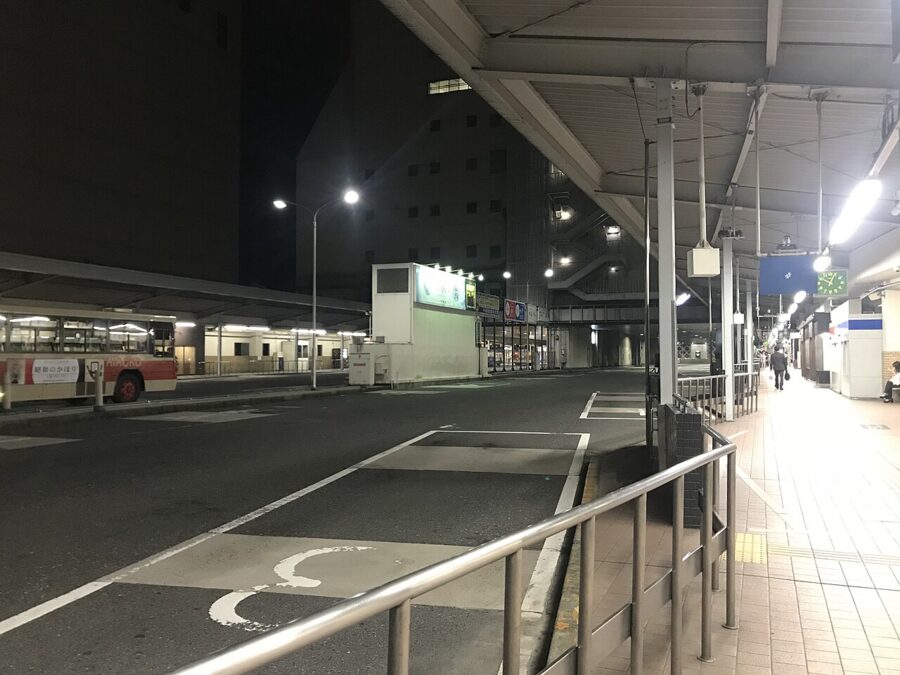
Chugoku Bus and three partner companies run the Flower Liner highway bus from Hiroshima Bus Center to Onomichi Station for ¥2,000 (about US$13). It takes about an hour and a half to Onomichi Ekimae, with eight departures a day: the first at 07:00 on weekdays and 08:20 at weekends and holidays, the last at 19:20.
Two details catch people out. The bus boards at Hiroshima Bus Center and Shin-Hakushima, not at Hiroshima Station, which is a drop-off stop on the way in only. And there are no reservations: you queue at the stop, and if the bus is full you wait for the next one. Three of the eight carry on over the bridges to Mukaishima and Innoshima.
To Onomichi from Osaka, Kyoto and Tokyo
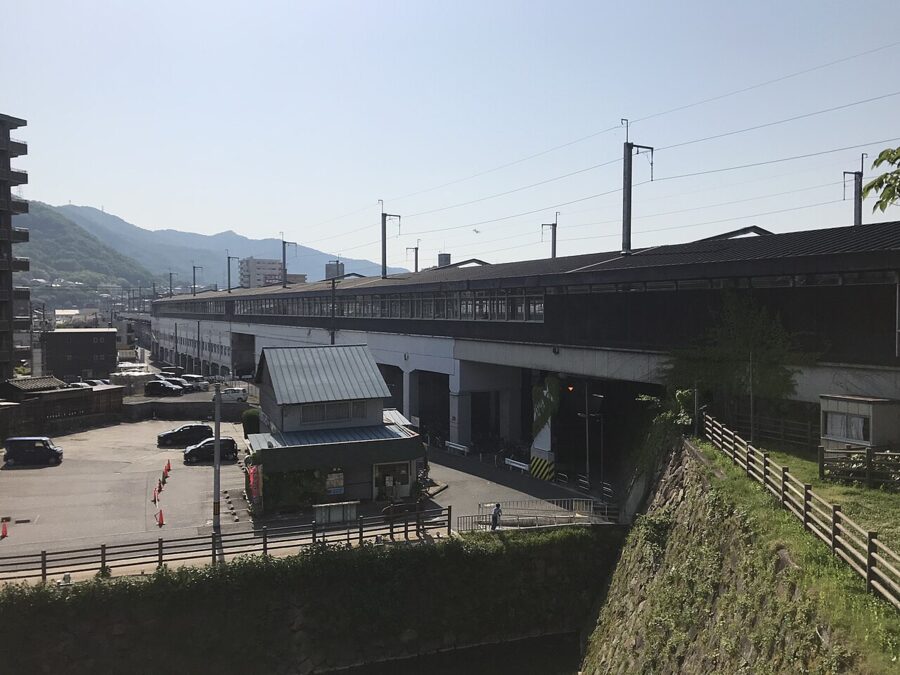
From the east, the answer is Fukuyama. Ride the Shinkansen to Fukuyama, cross to the Sanyo Line platforms and take any train heading west towards Mihara or Itozaki. Onomichi is 19 minutes along, ¥420, and there are usually two or three trains an hour through the day.
| From | Change at | Time to Onomichi | Fare, unreserved seat | Fare, reserved seat on a Nozomi |
|---|---|---|---|---|
| Shin-Osaka | Fukuyama | about 1 hr 35 min | ¥7,910 | ¥8,770 |
| Kyoto | Fukuyama | about 1 hr 50 min to 2 hr 10 min | ¥8,570 | ¥9,110–9,540 |
| Tokyo | Fukuyama | about 4 hr | ¥17,260 | ¥18,440 |
| Hakata | Fukuyama | about 1 hr 55 min | ¥11,100 | ¥11,960 |
Those are regular-season fares from the December 2026 timetable, with the Sanyo Line leg included, which works out at about US$50 from Shin-Osaka, US$54 from Kyoto and US$109 to US$116 from Tokyo. Reserved seats cost a little more in the busy periods around New Year, Golden Week and August. From Tokyo, the Nozomi itself takes about three and a half hours to Fukuyama; from Shin-Osaka about an hour.
If you do end up at Shin-Onomichi
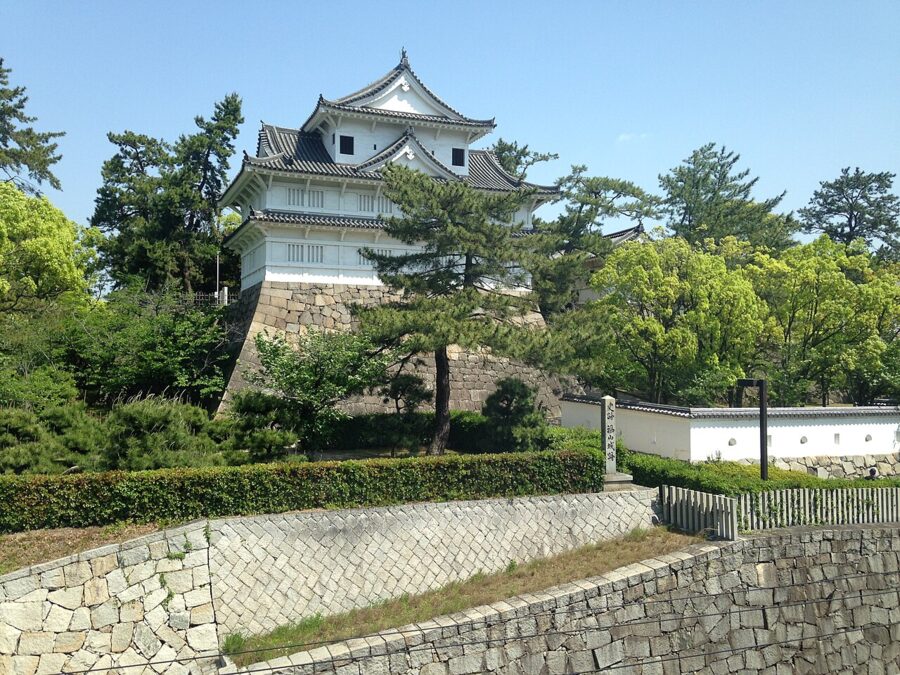
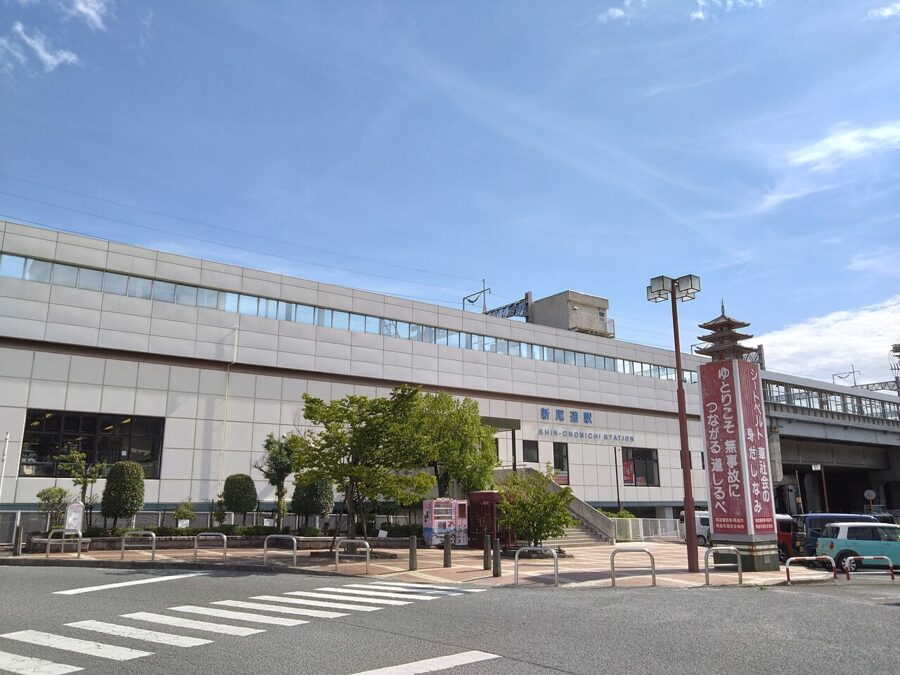
Shin-Onomichi is the town’s own Shinkansen station, but nearly everything that stops there is a Kodama, roughly one an hour each way, with the odd Hikari. From Tokyo it means a second change and a bus, and the trip still takes about 3 hours 53 minutes to the station alone.
From the station, Onomichi Bus and Chugoku Bus run local buses down to Onomichi Ekimae for ¥190 (about US$1). The ride takes about 15 minutes and the road distance is around 4 km. A taxi is the other option if you have luggage and no patience for the bus timetable.
It does make sense in one case: a Kodama from Hiroshima runs to Shin-Onomichi in 40 minutes without a change. But it costs ¥3,280 (about US$21) unreserved and leaves you a bus ride from the harbour, so the Mihara change is cheaper and usually no slower.
Rail passes
The Japan Rail Pass costs ¥50,000 (about US$314) for seven days in ordinary class if you buy it online, or ¥53,000 through an overseas agent. It covers the Kodama and Hikari, the Sanyo Line and the JR Shikoku limited expresses to Imabari. On a Nozomi you need a special supplementary ticket, ¥6,500 (about US$41) for the full Tokyo to Hiroshima run and less for shorter trips.
A return trip from Tokyo to Onomichi costs about ¥35,000 to ¥37,000 at ordinary fares, so the seven-day pass only pays for itself if the week includes other long journeys. None of the JR passes cover the Shimanami Liner or the Flower Liner, which belong to private bus companies.
JR West’s regional passes are cheaper and only for visitors entering Japan on a temporary-visitor stamp. The Hiroshima-Yamaguchi Area Pass costs ¥15,000 (about US$94) for five days, covers the Shinkansen between Mihara and Hakata, and lists Onomichi in its area. The Kansai-Hiroshima Area Pass, ¥17,000 (about US$107) for five days, covers the Shinkansen between Shin-Osaka and Hiroshima, Fukuyama included.
To Imabari
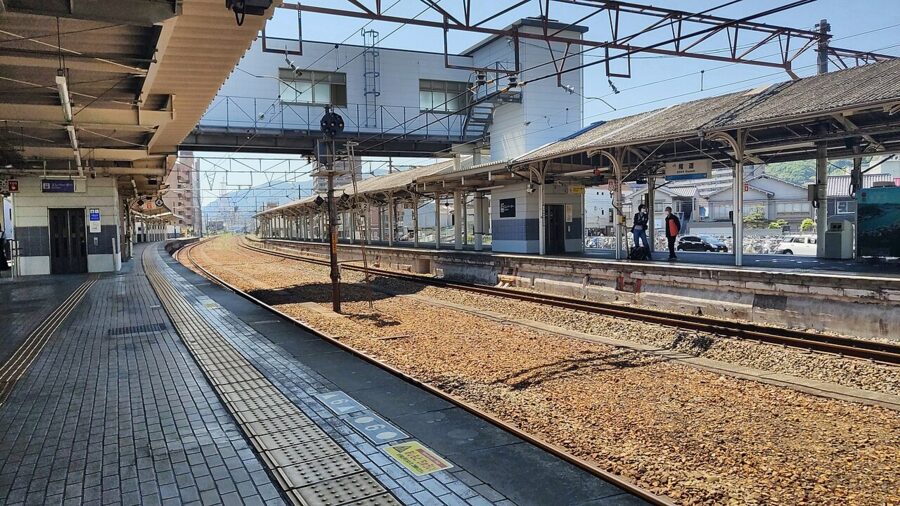
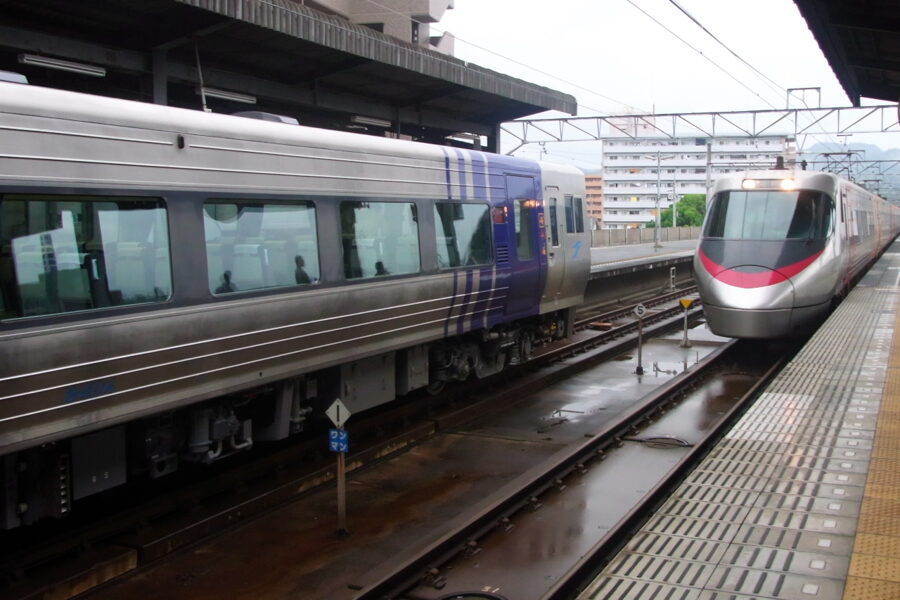
Imabari Station is on the JR Shikoku Yosan Line, and the limited expresses that serve it are the Shiokaze from Okayama and the Ishizuchi from Takamatsu, which run coupled together for part of the way. Both continue to Matsuyama.
From Matsuyama
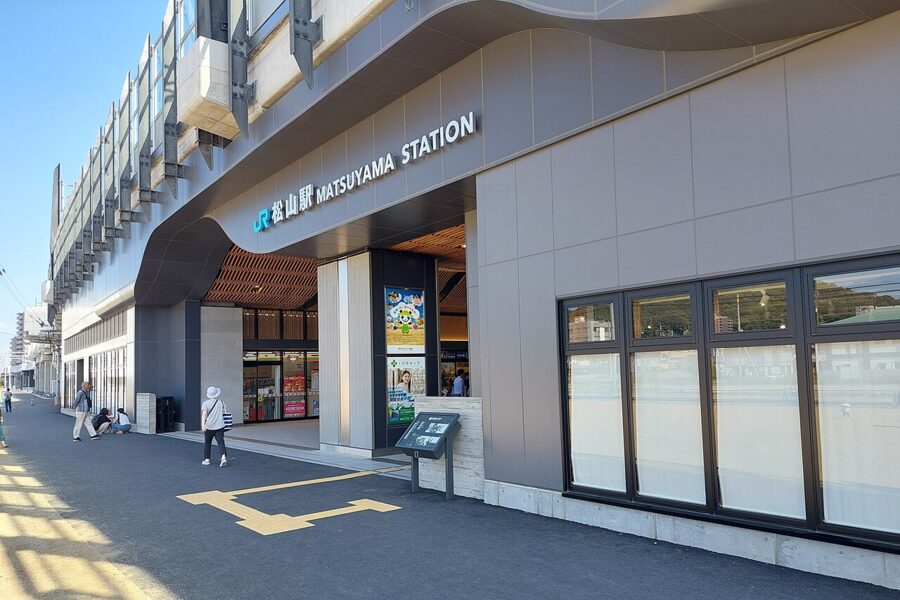
The limited express from Matsuyama takes about 40 minutes and costs ¥1,840 (about US$12) unreserved or ¥2,170 (about US$14) reserved. Local trains take about an hour and a quarter for the basic ¥1,080 (about US$7). Setouchi Bus also runs an express bus between Matsuyama-shi Station and Imabari Station, ¥1,300 (about US$8) since its fare rise on 1 October 2026.
From Okayama, and so from Osaka, Kyoto and Tokyo
The Shiokaze runs direct from Okayama to Imabari in about 2 hours 5 to 10 minutes, roughly once an hour, crossing the Seto-Ohashi Bridge on the way. The fare is ¥5,830 (about US$37) unreserved or ¥6,160 (about US$39) reserved. Coming from Shin-Osaka you change at Okayama for a total of a little over three hours and about ¥12,000 (about US$75) with reserved seats; from Tokyo it is around 5 hours 40 minutes and ¥21,860 (about US$137).
Plan on reserving. JR Shikoku and JR West have announced that the Shiokaze will run with reserved seats only from spring 2027, with the exact date still to be announced.
There is a faster way from Osaka that most people never consider: Shinkansen to Fukuyama, then the Shimanami Liner bus straight over the bridges. A 09:54 departure from Shin-Osaka reaches Imabari Station at 12:34, about half an hour sooner than via Okayama, for ¥10,770 (about US$68) unreserved including the bus. You do have to book the bus seat now.
From Takamatsu
The Ishizuchi runs direct from Takamatsu to Imabari in about 1 hour 53 minutes. The fare is ¥5,050 (about US$32) unreserved or ¥5,380 (about US$34) reserved.
From Hiroshima by highway bus
Setouchi Bus and two partners run a Hiroshima to Imabari highway bus, also called the Shimanami Liner, three times a day each way. Southbound it leaves Hiroshima Station’s Shinkansen exit at 08:10, 15:30 and 19:30, and reaches Imabari Station at 10:39, 17:59 and 21:59. Every seat is reserved and the fare is ¥4,200 (about US$26).
It is a lovely ride over every bridge on the route, and it is useless for cyclists: the operator does not carry bicycles of any kind, folding ones included. If you have a bike, take the Shinkansen to Fukuyama and the other Shimanami Liner from there, about 2 hours 10 minutes in all.
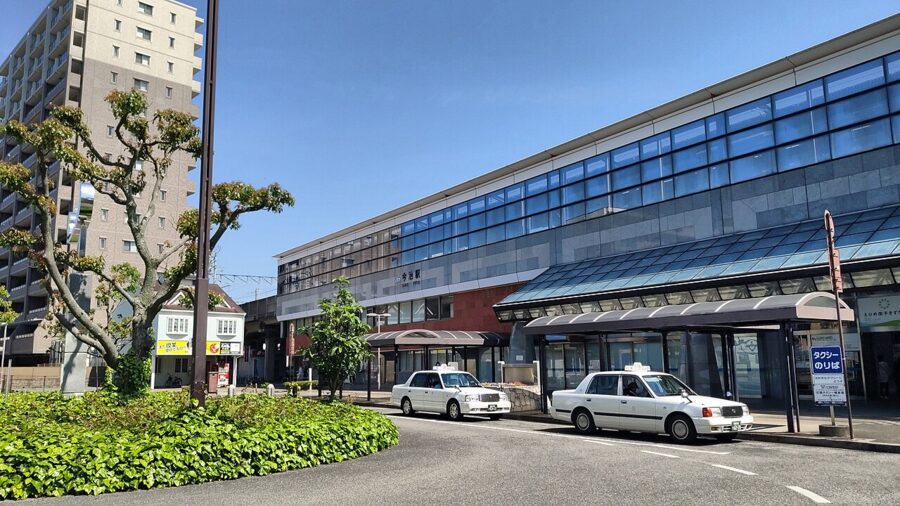
Flying in: Hiroshima and Matsuyama airports
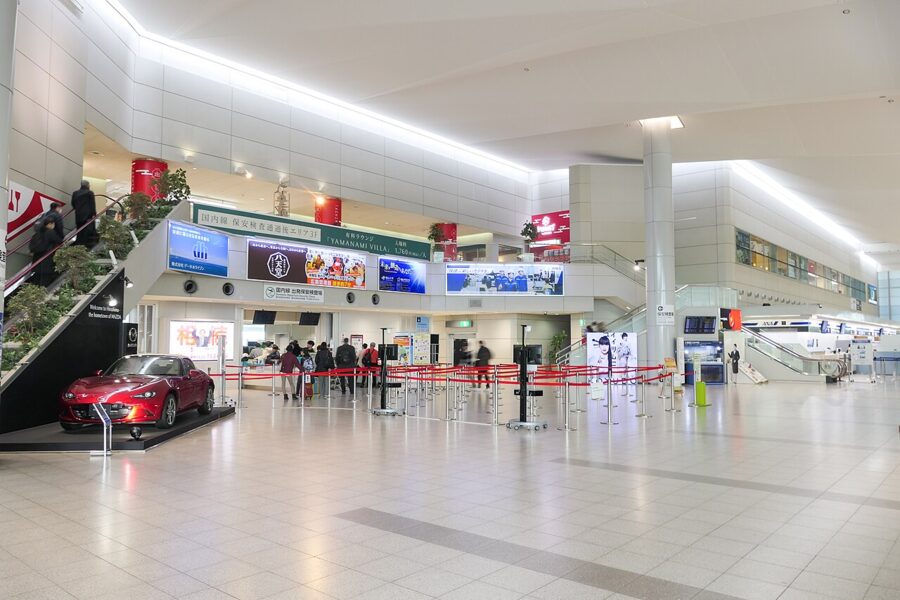
Hiroshima Airport
Hiroshima Airport sits in the hills well east of the city, which makes it closer to Onomichi than to Hiroshima. There are three ways to Onomichi, and the cheapest is also the simplest. A local bus runs from the airport to Mihara Station for ¥1,000 (about US$6) in about 40 minutes, and from there the Sanyo Line to Onomichi is 12 to 24 minutes and ¥240 (about US$2).
The catch is frequency: that bus runs five times a day each way, and as an ordinary route bus it has no luggage hold. On the timetable valid until 31 January 2027 it leaves the airport at 10:10, 11:45, 15:10, 17:00 and 20:10.
The direct option is a shared taxi between the airport and Onomichi Station, about an hour door to door at ¥4,000 (about US$25) for adults and children alike. It runs six times a day from the airport, only if somebody has booked, normally at least three hours ahead. It does not take bicycles, even in a bag.
The airport limousine to Hiroshima Station’s Shinkansen exit runs every 10 to 20 minutes for ¥1,500 (about US$9) and takes about 50 minutes, so it only makes sense if you are spending a night in Hiroshima first. There is also a limousine to Fukuyama Station for ¥1,600 (about US$10).
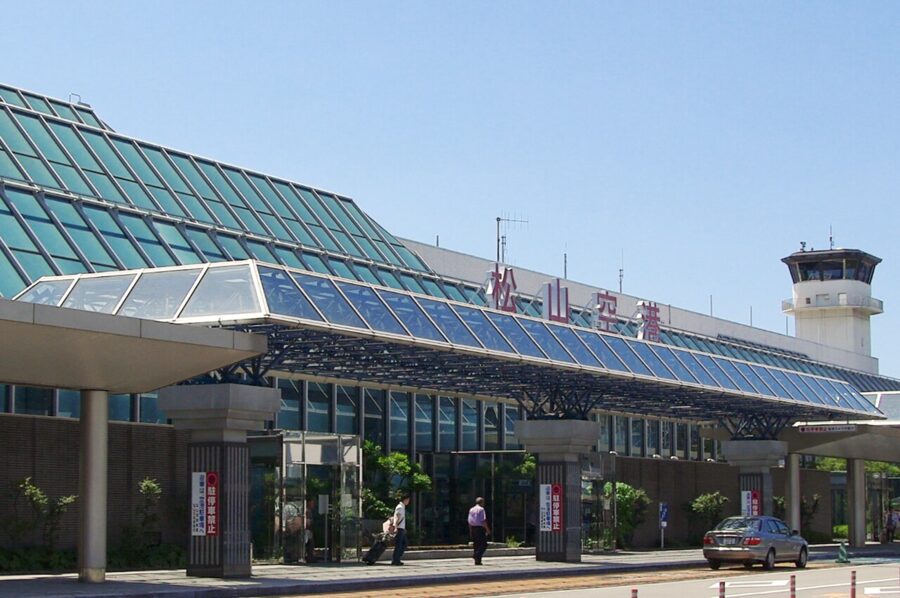
Matsuyama Airport
From Matsuyama Airport, the limousine bus to JR Matsuyama Station costs ¥1,000 in cash (¥980 cashless) and the ordinary local bus ¥530 (about US$3), according to the airport’s bus page. Change to the limited express for the 40 minutes to Imabari.
The direct alternative is the Izumi Kanko airport bus to JR Imabari Station, ¥2,500 (about US$16). It runs only for passengers who have booked, three times a day under the July 2026 timetable: from the airport at 09:10, 14:10 and 19:25, reaching Imabari Station about 1 hour 25 minutes later. Bikes in a bag cost ¥500 extra per bike if you mention them when booking and ¥1,000 if you don’t, with room for five or six per bus.
Matsuyama is also the friendlier airport for anyone flying with a bike. It has a changing room and two outdoor cycle stations for riders, lends tools free at the information desk, and will store your bike box for a fee while you ride.
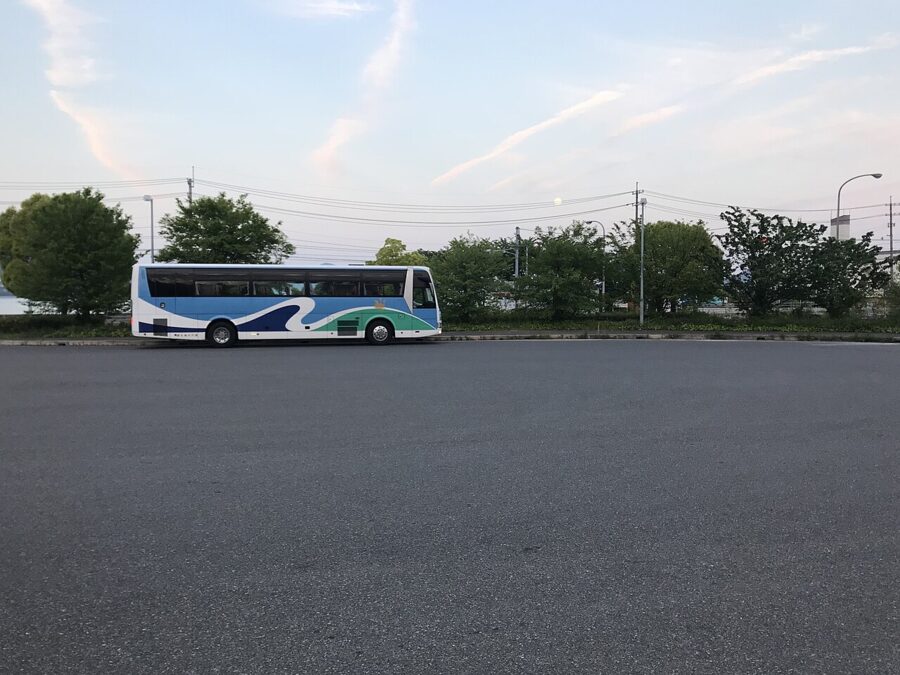
The buses along the Shimanami Kaido
The Shimanami Liner between Fukuyama and Imabari is the bus that matters, both for getting to Imabari and for getting back after a one-way ride. Four companies share it, and between them they run 16 buses a day each way, plus an extra at weekends. Fukuyama departures run from 07:00 to 21:20; Imabari departures from 06:20 to 19:30, plus a non-stop 05:50 at weekends and on holidays.
Since 1 October 2026 every seat is reserved. Chugoku Bus announced the change in August 2026: bookings open a month ahead online or by phone, and paying online gets a discount. Walk-ups are allowed only if seats are left, so on a holiday weekend book before you ride, not after.
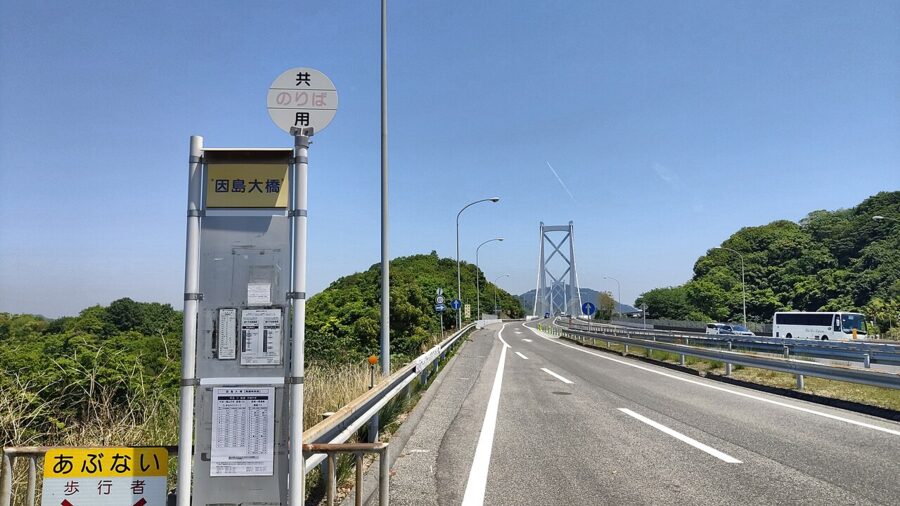
The bus takes about 1 hour 25 minutes from Fukuyama to Imabari and leaves Fukuyama from stop 3 outside the station. It does not call in Onomichi itself. Its first stops are on Mukaishima, then Innoshima Ohashi, Innoshima Shigei, Setoda, Omishima, Kamiura, Hakatajima, Oshima and Mashima, all at expressway bus stops.
Read the boarding rules before you plan a short hop. Southbound, you can only get on as far as Innoshima Shigei and only get off from Omishima onwards; the two Setoda stops allow both. Northbound it is the mirror image: board only between Imabari and Omishima, get off only from Innoshima Shigei onwards. A ride from Oshima to Omishima, or from Fukuyama to Mukaishima, is not possible.
| Bus stop | To or from Fukuyama | To or from Innoshima Ohashi |
|---|---|---|
| Imabari Station | ¥3,300 (¥2,970 paid online) | ¥1,800 |
| Oshima BS | ¥2,800 | ¥1,500 |
| Hakatajima BS | ¥2,600 | ¥1,300 |
| Omishima BS | ¥2,400 | ¥950 |
| Setoda BS | ¥1,900 | ¥520 |
Those are adult one-way fares from the October 2026 fare table; the full Fukuyama to Imabari fare of ¥3,300 is about US$21. Children pay half.
Between Imabari and Onomichi by bus
Because the Shimanami Liner skips Onomichi, the bus link between the two ends is a change at Innoshima Ohashi, a stop by the Innoshima Bridge, onto a local bus run by Onomichi Bus, Innoshima Bus or Honshi Bus. The operators publish a joint connection timetable for the change.
A typical afternoon run: Imabari Station at 16:20, Innoshima Ohashi at 17:11, the local bus at 17:30, Onomichi Station at 17:58. The two fares come to about ¥2,370 (about US$15). The last workable connection leaves Imabari at 19:30 and reaches Onomichi at 21:18, except on 1 to 3 January.
Fukuyama and Shin-Onomichi to Matsuyama
Chugoku Bus also runs the Kirara Express from Fukuyama and Shin-Onomichi over the Shimanami Kaido to Matsuyama. It is ¥4,300 (about US$27) from Shin-Onomichi to Matsuyama-shi Station and ¥4,500 from Fukuyama. It calls at Kurushima-Kaikyo BS on the Imabari side but not at Imabari Station, so it suits riders bound for Matsuyama rather than the end of the cycling route.
Bringing your own bike
On JR trains: the rinko rules
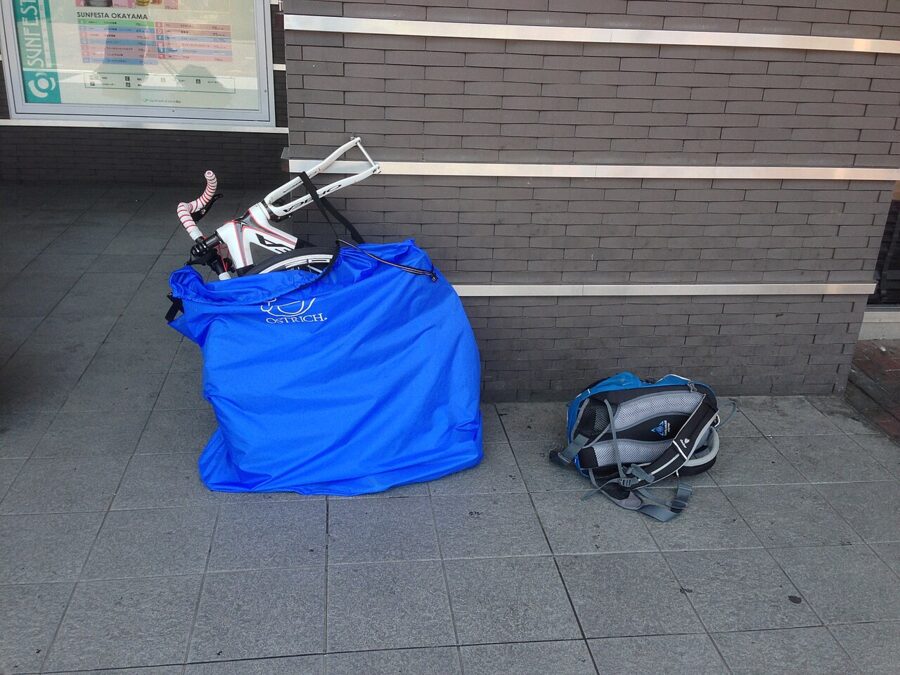
JR trains carry bikes free, on one condition: the bike must be packed in a dedicated bike bag, a rinko bag (輪行袋), with the wheels off or the frame folded. The JR West conditions of carriage for hand luggage allow up to two items, each within 250 cm for length, width and height added together, no longer than 2 m and no heavier than 30 kg.
JR Shikoku spells it out in a one-page guide to bikes on its trains. A bike with the saddle or handlebars sticking out of the bag counts as not packed. A folding bike that is folded but not bagged is refused, however small. A plastic sheet is not a bag, and staff can turn away anything with sharp parts likely to tear through.
On the Shinkansen
The Tokaido, Sanyo and Kyushu Shinkansen require a special reservation for oversized luggage, anything over 160 cm in total dimensions, with a ¥1,000 (about US$6) fee if you bring it aboard without one. The tariff explicitly excludes bagged bicycles from that rule, so a bike in a rinko bag needs no special booking and costs nothing extra.
Where to put it is another matter. The best spot is the space behind the last row of seats in the car, and JR West’s oversized-luggage page says using that space needs a booking. So book the last-row seat that comes with the luggage space; it costs the same as any reserved seat. Without it you will be holding the bag in the vestibule.
On the Sanyo Line itself, avoid the rush hours into Hiroshima and Fukuyama. Nobody will stop you boarding at 08:00, but you will spend the whole ride apologising.
On the buses
Chugoku Bus’s Shimanami Liner, Flower Liner and Kirara Express all take bagged bikes in the hold, but you load them yourself and the driver can refuse if the hold is full. The Hiroshima to Imabari bus does not take bikes at all, and neither does the shared taxi from Onomichi to Hiroshima Airport. The Matsuyama Airport bus to Imabari charges ¥500 a bike, as above.
If you would rather ride without luggage, Shimanami Japan’s answers to common rental questions list two same-day bag delivery services along the route: Sagawa Express’s hands-free cycling service and Onomichi Base’s Shimanami tebura-bin. Both need booking in advance.
Getting back after riding one way
On a rental bike, the simplest return is not to bring the bike back. Shimanami Japan’s terminals let you drop a bike at a different terminal at no extra charge (the one-way fee on the price list applies only to school groups), so you can hand it in at Imabari Station and take the bus or train home. There are two exceptions: the E-bikes must go back the same day, and tandems only to the terminal they came from. The models, prices and terminals are the rest of bike rental on the route.
Mind the winter hours. From December to February the Onomichi Station, Imabari Itoyama and Imabari Station terminals close at 18:00 instead of 19:00, according to Shimanami Japan’s winter opening notice, and a bike that is not back by closing time is a problem you do not want at dusk on the Kurushima-Kaikyo Bridge.
From Imabari Station, then, you have three ways back towards Onomichi or the Shinkansen:
- Bus to Onomichi: the Shimanami Liner to Innoshima Ohashi and a local bus on, about 1 hour 45 minutes and ¥2,370.
- Bus to Fukuyama: the Shimanami Liner all the way, about 1 hour 35 minutes and ¥3,300, then the Shinkansen or the Sanyo Line.
- Train via Okayama: the Shiokaze, about 2 hours, then the Shinkansen. Best if you are heading east anyway.
The boat from Setoda
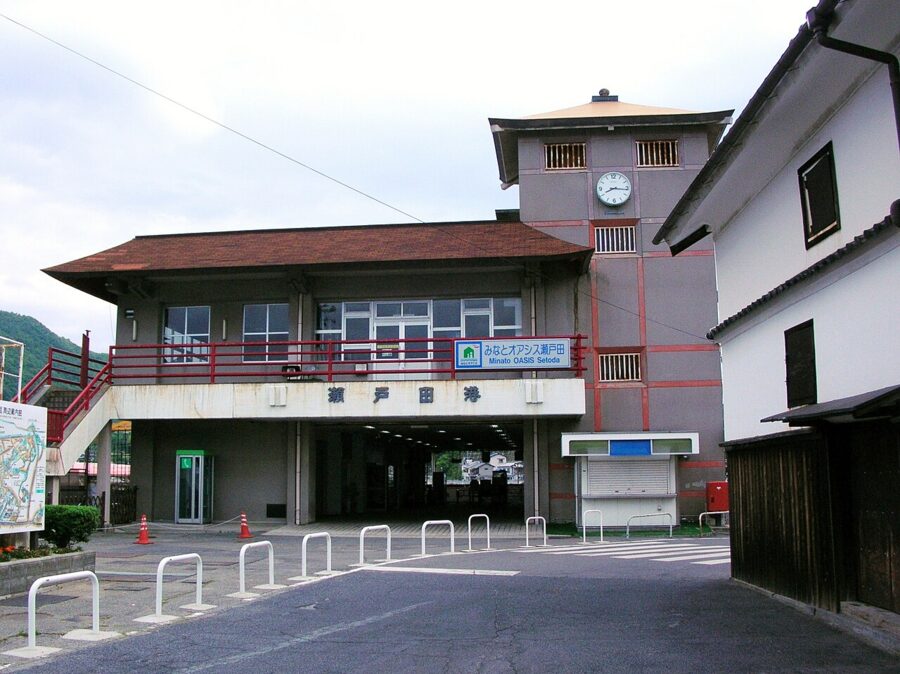
Plenty of people ride only as far as Setoda on Ikuchijima and go back by sea. Setouchi Cruising’s passenger boat runs between Setoda Port and the pier in front of Onomichi Station in about 45 minutes, calling at Sunoue, Shigei-higashi and Onomichi Shinhama on the way. The fare is ¥1,500 (about US$9), and JR West’s 2026 notice about the route puts the charge for a bike at ¥500.
There is also a fast boat from Setoda to Mihara Port, run by Yuba Kisen: 25 minutes and ¥920 (about US$6), then a ten-minute walk to Mihara Station for the Kodama towards Hiroshima. Ask about bikes at the ticket window before you build a plan around it.
The seasonal boat from Onomichi to Imabari
In autumn 2026, JR West and local partners ran a trial boat service the whole length of the route, from Onomichi through five islands to Imabari, on 16 weekend days in October and November, the last on 29 November. A one-day pass cost ¥5,500 (about US$35), bike included. No dates for 2027 had been announced by late November 2026.
A plan that works
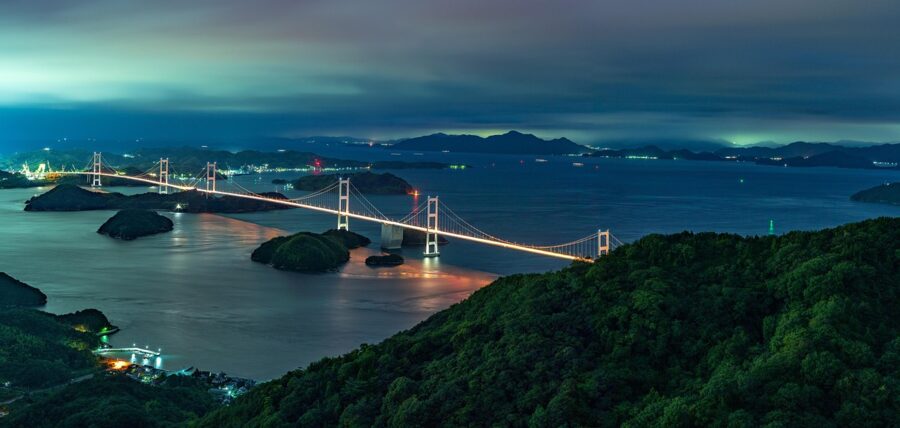
For most people coming from Osaka, Kyoto or Tokyo it looks like this: Shinkansen to Fukuyama, the Sanyo Line to Onomichi, a rental bike from the terminal by the station, and the ferry to Mukaishima. Ride south, hand the bike in at Imabari Station, and take a Shimanami Liner seat you booked a few days earlier, either to Fukuyama for the train home or to Innoshima Ohashi and the local bus back to Onomichi for the night.
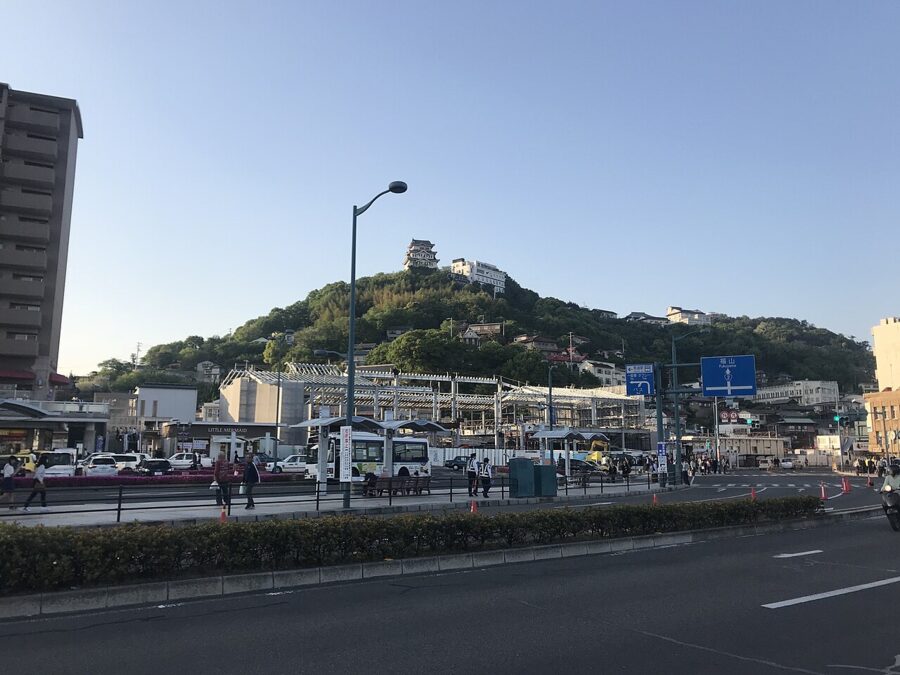
From Hiroshima, swap the Shinkansen for the Kodama to Mihara. From Matsuyama, reverse the whole thing and finish in Onomichi with the Shinkansen 19 minutes away. And whichever way you go, get off the bullet train at Fukuyama, not at the station with Onomichi in its name.